Trump threatens 'swift strike' on Iran as Doha talks stall
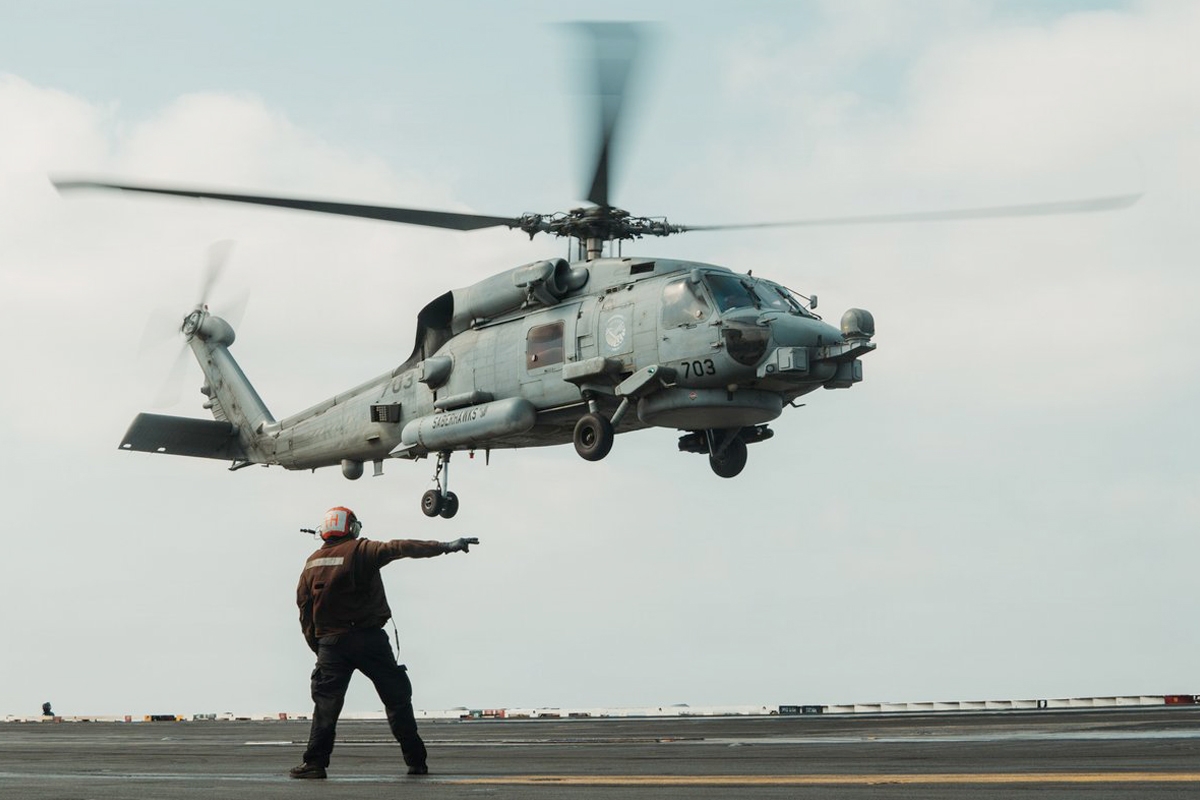
Tensions escalate between Washington and Tehran amid stalled negotiations
Translated by Qiyas from الجريدة — Original source
Amid the persistent wide gap between the positions of the United States and Iran regarding any potential agreement to resolve their dispute, U.S. President Donald Trump hinted at the possibility of launching new strikes on specific targets in Tehran, expressing skepticism about the reliability of Iran’s diplomatic stance.
Trump declined to say whether he would resume military operations against Iran within days following the midterm congressional elections scheduled for tomorrow.
He stated that his military campaign had succeeded in destroying Iran’s military capabilities and crippling its nuclear capacity, “but we still have one or two sites to deal with, and we can do it within just 10 minutes.”
He emphasized that Washington is not in a hurry to resolve the issue, noting that Iranians are seeking a diplomatic agreement and claiming that matters are progressing positively. However, he added that they cannot be trusted, as they pledge to conclude agreements only to withdraw from them later.
This came as the Wall Street Journal reported that Trump held a phone call with Israeli Prime Minister Benjamin Netanyahu, following a meeting at the White House with senior U.S. military leaders to discuss options for resuming major combat operations in the region.
The call occurred after the Israeli Knesset elections and amid rising tensions between Washington and Tehran, as well as growing pressure on the Trump administration, which is preparing for the Republican Party’s midterm congressional elections. This pressure stems from conflicting demands: calls to resume military operations versus appeals to give the diplomatic track another chance to prevent a renewed war that has impacted fuel and diesel prices and regional security.
While Reuters quoted an official stating that Iranian negotiators continued their talks with Qatari mediators in Doha for a third day, aiming to reach an agreement that would end the war with the United States and avert the threat of the conflict escalating into an uncontainable regional confrontation, the Qatari Ministry of Foreign Affairs expressed its strong condemnation and outrage over an attack on the LNG tanker Al-Ma’idah, owned by QatarEnergy LNG, while it was sailing in Gulf waters last Friday. The ministry condemned the incident as a serious act threatening the safety of maritime navigation and global energy supply security.
Doha warned of the dangers of reckless and irresponsible practices and their potentially severe repercussions on regional security, stability, and the global economy.
Meanwhile, Anwar Gargash, the UAE’s diplomatic advisor to the President, expressed hope for a “diplomatic breakthrough” regarding the war, while affirming that his country remains prepared for the worst-case scenario.
Speaking at the “Manama Dialogue” forum in the Bahraini capital, Gargash said, “We do not wish to see another round of confrontation,” adding that “trust with Iran has been shaken.”
He stressed that “movement in the Hormuz Strait must return to pre-war levels,” clarifying that Gulf states’ security is interconnected, and any impact on one affects the UAE.
Regarding the background of the consultations, a well-informed source in the Iranian Ministry of Foreign Affairs told Al-Jarida that the Doha negotiations remain deadlocked due to disagreements between the American and Iranian sides over the terms of the agreement, priority setting, and the sequence of steps required to reach a deal.
The source stated that the negotiations are at a standstill, with Iran convinced that Washington is seeking to buy time until the conclusion of the elections. Tehran believes that waiting is necessary until the situation becomes clear, to determine whether the Republican administration is serious about the negotiation track or will resort to the military option.
According to the source, the American side demands that Iran implement prior commitments that are irreversible, in exchange for American promises that will only take effect after Tehran fulfills its obligations, without providing corresponding binding guarantees.
The American demands include restoring the situation in the Strait of Hormuz to its pre-war status, pledging not to obstruct navigation in the Bab al-Mandab Strait, transferring highly enriched uranium out of Iran, suspending nuclear activities until a comprehensive agreement is reached, and allowing the International Atomic Energy Agency (IAEA) to inspect all facilities suspected of being used for nuclear purposes.
In return, Washington has offered to lift the naval blockade and suspend sanctions on Iranian oil sales, alongside a gradual lifting of sanctions imposed after the signing of the Islamabad memorandum, conditional on Iran’s adherence to these demands and fulfillment of the required commitments.
The dispute is not limited to operational arrangements; the Americans seek a bilateral agreement with Iran, excluding international parties as guarantors, and insist that the final agreement address all disputes and sources of hostility between the two countries. According to the source, Washington is prepared to lift sanctions that hinder the entry of American companies into the Iranian market.
Conversely, Iranian negotiators insist that the United States must implement seven conditions, including partial lifting of sanctions and the release of frozen assets. They also demand that Washington sign an initial agreement guaranteeing an end to the war and hostilities on all fronts, including Israeli withdrawal from Lebanon, rather than merely a ceasefire, as well as the withdrawal of US offensive forces from the vicinity of Iran.
The source emphasized that Tehran will not take any steps concerning the Strait of Hormuz before Washington agrees to these conditions. The Iranian stance, according to the source, includes adopting the track that Tehran claims it has agreed upon with the Sultanate of Oman, as well as ensuring that the strait is not used as a passage for military vessels or for transporting weapons and military equipment.
Regarding the nuclear file, Iran informed relevant parties that extracting highly enriched uranium from destroyed nuclear facilities will take at least two years.
Meanwhile, IRGC spokesperson Hossein Makki announced that his forces have added new target designation and operational planning in new geographic areas to their agenda, clarifying that a wide arena has been identified to inflict damage on the enemy and achieve full deterrence.
In parallel, Ibrahim Azizi, head of the parliamentary National Security Commission, stressed that Iran alone will determine the end of the war, not “the losers of the 12-day and 40-day wars.”
