Trump Mobilizes His Base Ahead of 'Midterm Renewal'
President Trump reverses his decision on campaign rallies in Kansas and Iowa after criticism, as competition intensifies in Congress between the two parties with record early voter turnout
Translated by Qiyas from الجريدة — Original source
Two days before the U.S. midterm elections scheduled for Tuesday, the race for control of Congress entered its final phase amid competition more intense than Republicans had anticipated. This prompted President Donald Trump to reverse his decision to cancel campaign rallies in Kansas and Iowa, rescheduling them for Sunday after questions arose about his ability to continue his campaign tour.
Trump had announced on Thursday that he would not travel to Kansas, stating he saw no need to do so and noting that Republican Senator Roger Marshall was performing well. However, the decision drew criticism from Democrats, while polls showed an unusual closeness in the two states, which are traditionally Republican strongholds. On Friday, Trump returned to his schedule, saying that officials and friends had requested his personal presence, and he reinstated the rallies alongside approximately 20 phone banks supporting his party’s candidates. The reversal also came after the cancellation of the events fueled speculation about the president’s fatigue or health; Trump had recently complained about vocal strain but denied that travel was the reason for his decision.
These developments reveal the mounting pressure on Republicans in recent days. The competition is no longer confined to traditional swing states but has extended to states such as Kansas, Ohio, Texas, and Alaska, where Republican seats are now at risk. Democrats need to gain four net seats to take control of the Senate, which Republicans currently hold with 53 seats to 47, while their prospects appear stronger in the House of Representatives, where winning just three net seats would be enough to regain the majority.
In the most prominent matchups, Democrat Adam Hamilton is challenging Senator Roger Marshall in Kansas, Mary Peltola is challenging Senator Dan Sullivan in Alaska, and former Democratic Senator Sherrod Brown is seeking a return to the Senate in Ohio. Maine, Michigan, Georgia, and North Carolina remain potential decisive battlegrounds.
Trump has placed himself at the forefront of the campaign, attempting to turn the elections into a referendum on his leadership and to mobilize the MAGA base, despite declining popularity and public discontent over the cost of living, rising fuel prices, and the repercussions of the conflict with Iran.
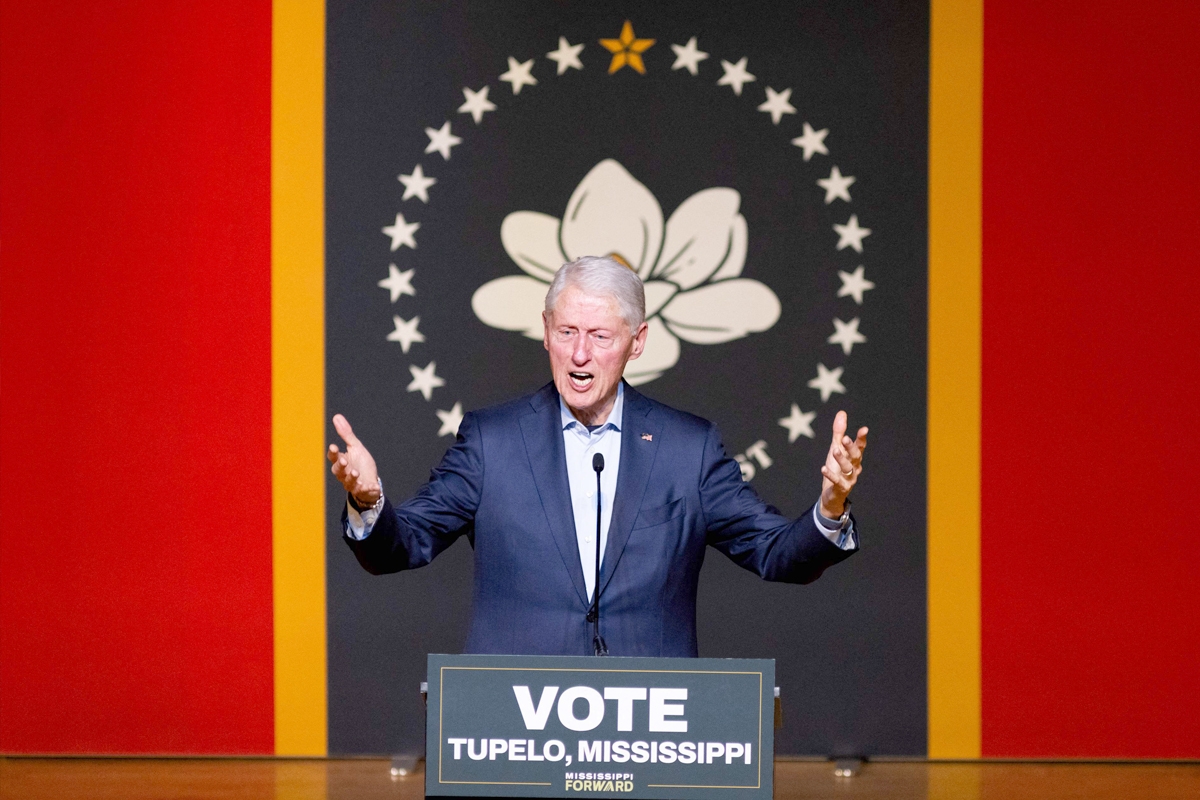
On the other side, former Presidents Barack Obama and Bill Clinton participated in the Democratic campaign. Obama held rallies in Michigan and Georgia, attacking what he described as corruption and conflicts of interest within the Trump administration, while Clinton campaigned in Mississippi to support Democratic Senate candidate Scott Collier.
Meanwhile, the number of early voters surpassed 49 million, according to data from the University of Florida, with indicators pointing to high turnout in competitive states. Controversy also escalated over alleged Department of Justice interference in the elections, ranging from lawsuits to obtain voter records to a criminal investigation in Alaska regarding claims that an independent candidate bearing the same name as the Republican senator was being recruited.
If Republicans lose control of either or both chambers, Trump will face a more difficult final two years in office, as Democrats would be able to launch congressional investigations and obstruct parts of his legislative agenda.
