Biological Therapy: A New Option for Controlling Psoriasis
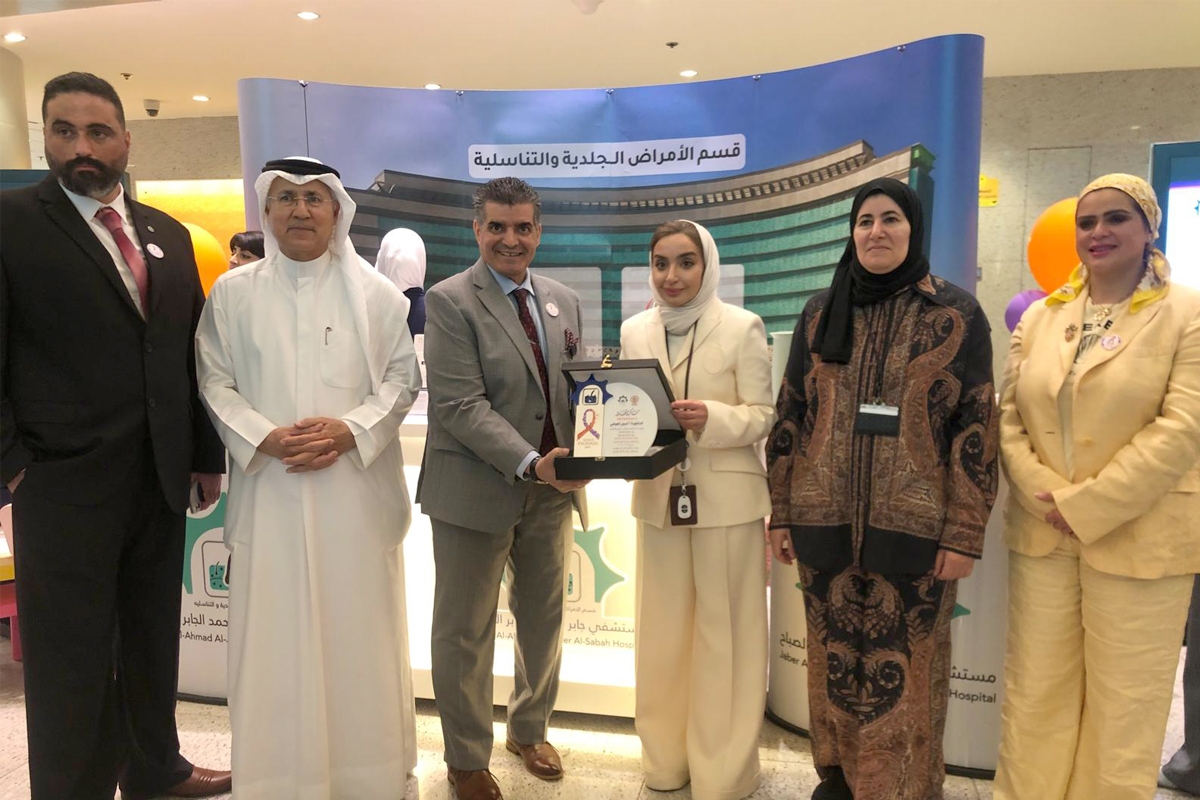
Head of the Dermatology Department at Jaber Hospital explains the effectiveness of biological therapy for psoriasis and announces an awareness campaign in the Mubarak Al-Kabeer area.
Translated by Qiyas from الجريدة — Original source
Dr. Mohammed Al-Otaibi, head of the Dermatology Department at Jabr Al-Ahmad Hospital, confirmed that psoriasis is a common chronic skin disease. Estimates indicate that around 100,000 people in Kuwait are affected, while the global number of sufferers exceeds 125 million. He noted that prevalence rates range between 3 and 4 percent, according to some studies conducted in the Middle East and the Gulf region.
Speaking to Al-Jarida on the occasion of World Psoriasis Day, observed annually on October 29, Al-Otaibi stated that the Mubarak Al-Kabir Health Region, represented by the Dermatology Department at Jabr Al-Ahmad Hospital, is organizing an event to raise awareness about the disease, its characteristics, and ways to manage it.
He explained that psoriasis is a chronic skin condition that affects all age groups and both men and women without discrimination. It appears as raised red patches that vary in size, have well-defined borders, and are covered with white or silvery scales. Removing these scales may reveal pinpoint bleeding under the skin, a clinical sign known as the “Auspitz sign,” which helps distinguish psoriasis from other skin diseases such as lichen and eczema.
Al-Otaibi pointed out that psoriasis is a chronic disease for which there is currently no definitive cure. However, various treatments are available to help control symptoms and reduce the appearance of skin lesions. He clarified that the treatment plan varies depending on the severity of the condition, whether mild, moderate, or severe.
He noted that biological therapy has seen significant advances in recent years, becoming an important treatment option for moderate to severe cases that do not respond to other therapies, such as topical treatments and phototherapy. He emphasized the importance of selecting treatment based on the patient’s condition and the assessment of a specialist physician.
Regarding factors influencing the disease, Al-Otaibi explained that genetic predisposition, climate changes, psychological factors, and certain medications may contribute to the onset or worsening of psoriasis. He noted that symptoms typically worsen during winter and may improve during summer.
He added that some cases of tonsillitis, particularly in children, may be followed by the appearance of a type of psoriasis known as “guttate psoriasis,” where small spots appear on the skin, body, and limbs about two weeks after the infection.
