Saudi Oil Exports Approach Highest Levels Since Outbreak of Iran War
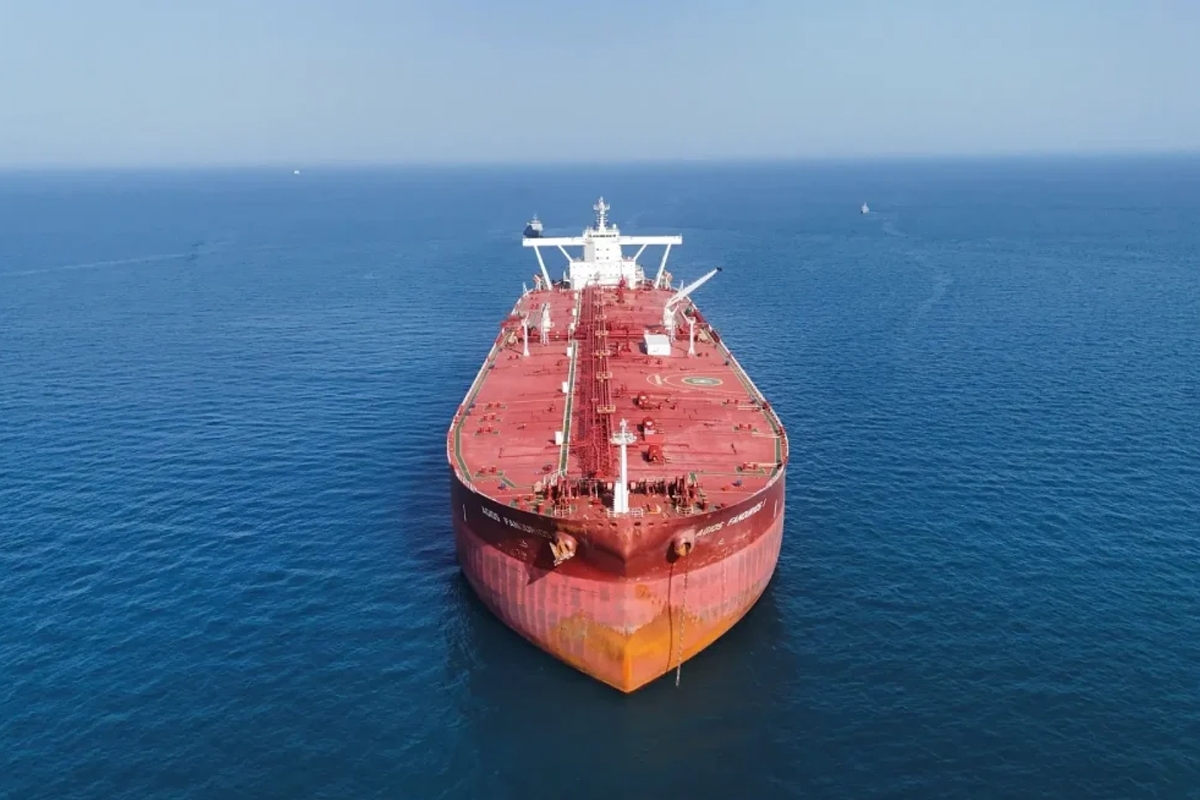
Saudi Aramco boosts oil exports to Europe via multiple routes following the restart of the East-West pipeline.
Translated by Qiyas from الجريدة — Original source
Data from Vortexa showed that Saudi oil exports remained stable in October at around 6.5 million barrels per day, compared to an average of 6.6 million barrels per day in September.
TankerTrackers, a firm tracking Saudi oil exports, estimated that shipments reached 7 million barrels per day in October, matching pre-war levels, while data from Kpler put the figure at 5.4 million barrels per day.
This discrepancy is partly due to several oil tankers turning off their tracking devices to avoid being targeted, which complicates efforts to estimate actual supply volumes.
Bloomberg, citing sources, reported that Saudi Aramco offered additional oil shipments to European buyers for loading in October and November, a move aimed at compensating for supplies disrupted by a previous attack on the East-West pipeline.
According to the sources, the company offered cargoes for late-October loading at prices below its official selling prices, before offering additional volumes for November. The October cargoes are scheduled to be loaded either from the port of Sidi Kerir on the Mediterranean Sea or from the port of Yanbu on the Red Sea coast.
This comes after the restart of the East-West pipeline, which enabled Aramco to increase its exports and ease supply shortages in the European market, with sources confirming that European refineries have received their full contractual allocations for November.
The increase in Saudi supplies contributed to a decline in the prices of certain crude oil grades in Europe, at a time when the kingdom had raised its production by about a third in September to exceed 8 million barrels per day.
Amin Nasser, chairman and CEO of Saudi Aramco, had revealed that the company is currently working to enhance its export capacity by increasing the throughput of the East-West pipeline from 7 million barrels per day to 10 million barrels per day, along with studying new additional routes. He noted that engineering work for these projects began in the early days of the crisis.
He stated that the company currently has three main oil export routes: the Persian Gulf via the Strait of Hormuz, the Red Sea via the Bab el-Mandeb, and the Mediterranean Sea via Sidi Kerir in Egypt. However, lessons learned from the crisis have highlighted the need for greater diversification of supply routes.
