Philippines Holds Talks with Kuwait to Store Oil on Its Territory
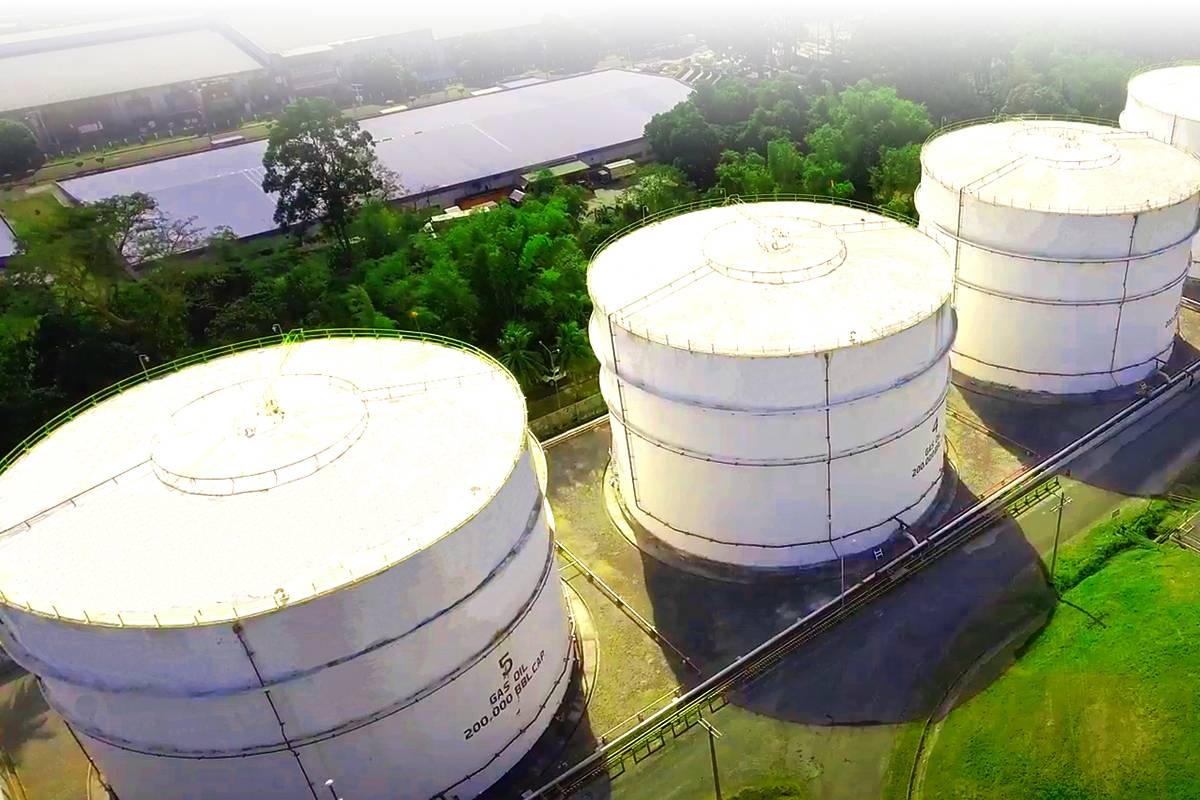
Philippine Energy Secretary Sharon Garin announced talks with Saudi Arabia, Russia, the US, Kuwait, Japan, the UAE, and Australia to store oil and build strategic reserves.
Translated by Qiyas from الجريدة — Original source
Philippine Energy Secretary Sharon Garin announced on Wednesday that the country is holding talks with Saudi Arabia, Russia, and the United States to store oil on its territory, as part of efforts to hedge against rising fuel prices stemming from the Iran war.
In an interview with Reuters, the minister explained that the Philippines, which relies almost entirely on energy imports, also plans to increase electricity generation through diesel- and gas-fired power plants. This move aims to offset an expected 60 percent drop in hydropower output and a 20 percent decline in solar power during the first half of 2027, due to the El Niño climate phenomenon.
Garin noted that the Philippines is also in discussions with Japan, Kuwait, the United Arab Emirates, and Australia regarding oil storage, and is seeking to establish strategic reserves amid supply disruptions caused by the strikes launched by the United States and Israel against Iran last February.
Speaking on the sidelines of the Singapore International Energy Week conference, she said, “If El Niño ends in April, that will be when our summer begins. Therefore, this will create prolonged pressure on us, starting with the oil crisis in the Middle East.”
Garine stated that the Philippines plans to build its first government-owned storage tank in Batangas next year to hold strategic petroleum reserves. She added that the government is working with Tokyo to establish regional oil reserves, which would complement its national stockpiles.
Garine further noted that the country’s current fuel reserves are sufficient for approximately 55 days, exceeding the minimum required level of 15 days. She added that the government holds one million barrels of oil in private facilities.
Government data showed that the country’s average daily demand for petroleum products has reached around 78 million liters, or approximately 490,600 barrels, since May.
