Bin Nukhaila to Al-Jarida: 1,900 Reconstructive and Cosmetic Surgeries at Al-Adan Hospital, 10% for Skin Tightening
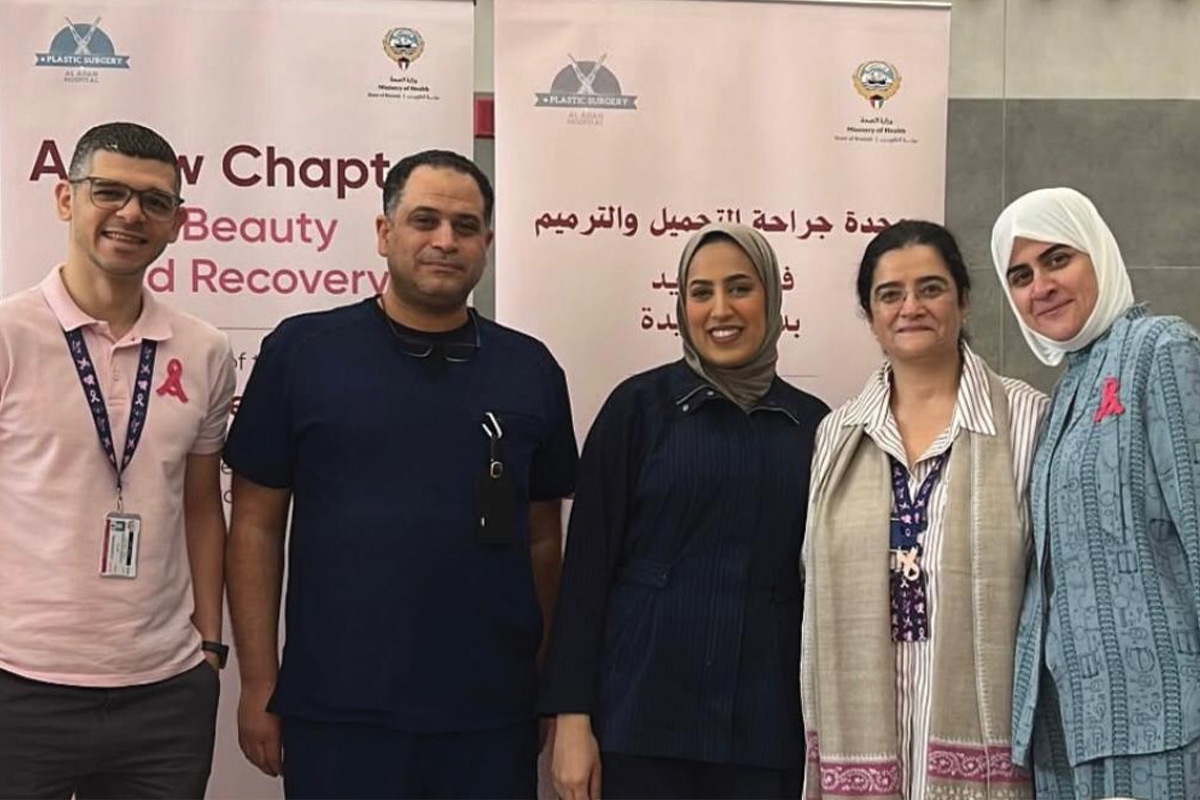
Head of the Reconstructive and Cosmetic Surgery Unit at Al-Adan Hospital reveals approximately 1,900 reconstructive and cosmetic surgeries are performed annually, with 10% dedicated to skin tightening, while outlining various reconstruction options for breast cancer patients.
Translated by Qiyas from الجريدة — Original source
Dr. Munira bin Nakhi, head of the Plastic and Reconstructive Surgery Unit at Al-Aadan Hospital, revealed that the unit performs approximately 1,900 reconstructive and cosmetic surgeries annually at the hospital, with a yearly rate ranging between 100 and 200 procedures for various cases. These include a significant proportion of accident injuries and burns, tissue reconstruction following cancer—particularly breast, head, and neck cancers—as well as limb reconstruction, diabetic foot care, and pressure ulcer treatment.
Speaking to Al-Jarida on the sidelines of a breast cancer awareness event held yesterday at the Maternity and Childcare Building of the new Al-Aadan Hospital, Dr. bin Nakhi stated that the event aimed to support cancer patients and raise awareness about treatment options and breast reconstruction. She noted that reconstructive surgeries also include procedures to address severe skin laxity in cases of significant weight loss and changes resulting from childbirth, which account for about 10 percent of the total annual surgeries.
She added that there are three main reconstruction options, with the most suitable one determined based on the patient’s condition, the amount of skin removed, and her therapeutic needs. The first option is immediate reconstruction, performed directly after mastectomy. The second option is delayed reconstruction, which suits certain cases requiring completion of radiotherapy after mastectomy before reconstruction begins. The third option is tissue expansion, suitable for some patients undergoing total mastectomy; in this method, the skin is expanded through injections over two to three months in preparation for implant placement and completion of the reconstruction.
She pointed out that breast reconstruction can be performed using autologous tissues taken from the abdomen, back, or thigh, with transfer facilitated by microsurgical techniques. Alternatively, silicone or saline implants can be used. She clarified that the medical meshes accompanying implants are absorbable materials that gradually degrade over approximately 18 months, helping to form supportive tissue; they are placed between the skin and the implant. Autologous fat can also be used in hybrid reconstruction, either in conjunction with implants or with autologous tissue reconstruction.
