US Army: CENTCOM Commander Brad Cooper Visits Strait of Hormuz
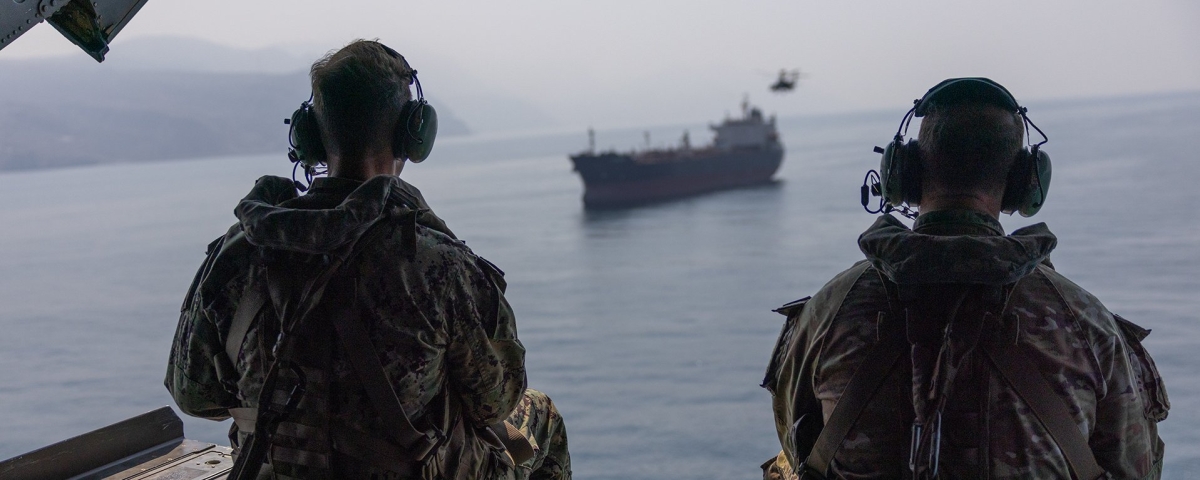
Brad Cooper inspects the situation in the Strait of Hormuz.
Translated by Qiyas from الجريدة — Original source
Admiral Brad Cooper, commander of the U.S. Central Command (CENTCOM), visited the Strait of Hormuz on Sunday, October 25, at a time when U.S. forces had achieved a significant milestone: helping Gulf partners export more than 1.5 billion barrels of crude oil.
A statement issued by CENTCOM via the X platform stated that Admiral Brad Cooper assessed the current operational environment while flying in a U.S. Army CH-47 Chinook helicopter over the international waterway.
The statement added that over the past six months, more than 3,000 commercial vessels had successfully transited the Strait of Hormuz, supported by U.S. Central Command forces.
Cooper said, “We continue to stand shoulder to shoulder with our Gulf partners and the maritime shipping sector. This visit reaffirms our steadfast commitment to ensuring the continued freedom of navigation through the Strait of Hormuz.”
This momentum has been reinforced in recent months, particularly after U.S. forces successfully cleared international shipping lanes in the strait of naval mines laid by the Islamic Revolutionary Guard Corps (IRGC).
During the visit, Cooper met with U.S. service members who participated in the mine-clearance mission, expressing his gratitude for their ongoing dedication and commitment. Cooper added, “Thanks to the extraordinary efforts of our personnel, the main transit routes in the Strait of Hormuz remain completely free of Iranian naval mines today. We continue to focus intensively on ensuring the uninterrupted flow of commercial traffic, in cooperation with our partners across various U.S. agencies, Gulf Cooperation Council (GCC) countries, and the maritime shipping sector.”
The statement concluded by noting that in recent months, more than 95% of ships transiting the Strait of Hormuz had done so safely, despite the unjustified aggression by the Iranian Revolutionary Guard Corps—a clear indication that the United States and its regional partners have established control over this international waterway.
However, data collected by a Washington-based research center, which has tracked maritime security incidents worldwide since 2017, showed that October was the worst month for attacks on commercial vessels in the Strait of Hormuz and adjacent waterways.
Noam Ridan, a senior fellow at the Washington Institute for Near East Policy, said, “October witnessed the highest number of attacks on ships ever recorded.”
