Dar Al-Sobaik: Gold suffered 3.9% losses last week
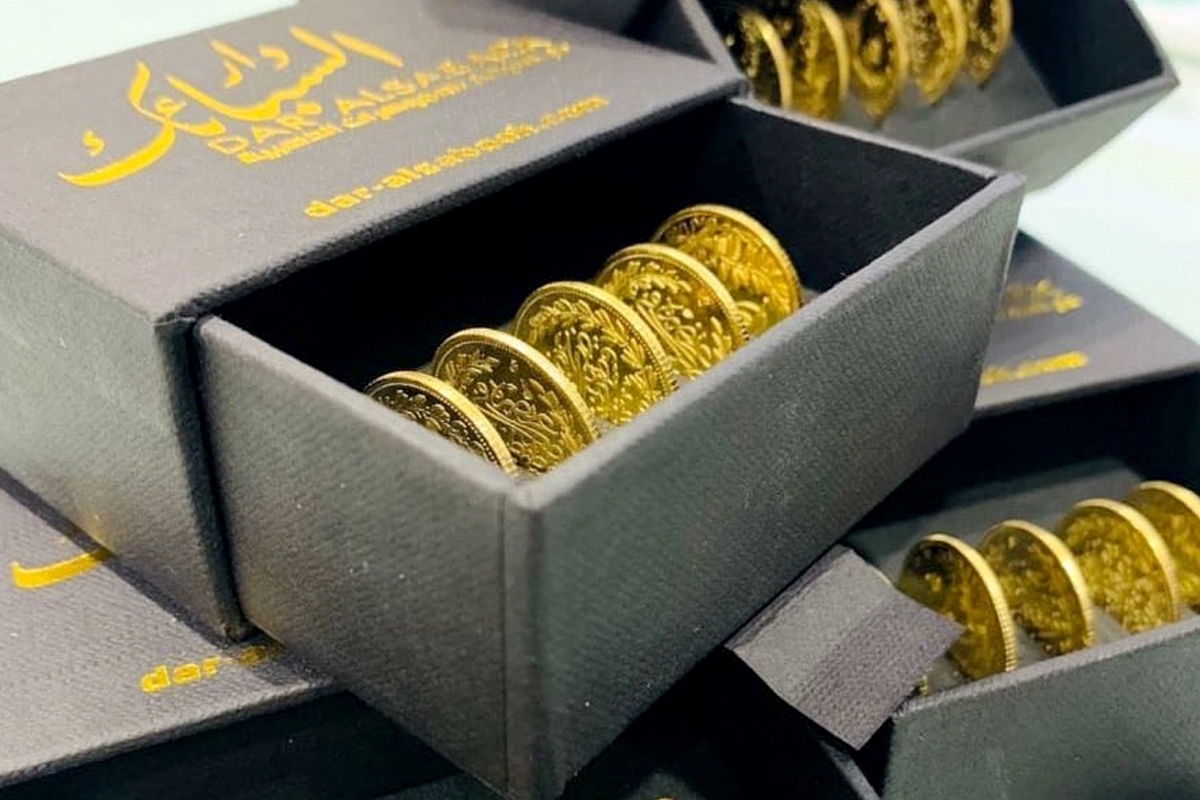
Dar Al-Sobaik report highlights gold's decline due to inflation and interest rate decisions.
Translated by Qiyas from الجريدة — Original source
Gold prices ended last week’s trading at $3,995 per ounce, recording a weekly loss of nearly 3.9 percent, after falling to a three-month low of $3,975 amid pressure from rising energy prices, growing inflation concerns, and anticipation of the trajectory of US interest rates.
A report issued today by Kuwait Mint Company stated that the decline in gold coincided with rising oil prices and escalating geopolitical tensions in the Middle East, placing global markets in a dilemma that combines growing demand for safe-haven assets with pressures stemming from the prospect of higher interest rates.
It added that the gold market is awaiting decisions by major central banks and US economic data this week, foremost among them the Federal Reserve’s meetings scheduled for tomorrow and the day after, as well as inflation data in the form of the Personal Consumption Expenditures (PCE) Price Index, due to be released on the 29th of the current month.
It pointed out that pressure on gold came amid a notable rise in oil prices, which surged by more than 4 percent, surpassing the $100-per-barrel mark, amid growing fears of energy supply disruptions due to military tensions in the Middle East and risks associated with shipping in the Strait of Hormuz.
It noted that regional confrontations and tensions have heightened market uncertainty, with growing fears that the unrest could widen and affect global oil flows.
It clarified that rising energy prices lead to increased production and transportation costs, which may reflect on price levels and complicate central banks’ efforts to contain inflation.
It highlighted that consumer inflation expectations remained stable at 4.7 percent over the next 12 months and at 3.5 percent over five years, levels that reflect ongoing concerns about the price trajectory.
The report added that these indicators reinforce caution regarding the US monetary policy path, as continued strength in economic activity and rising energy costs may slow the pace of inflation decline and provide the Federal Reserve with justification to keep interest rates elevated for a longer period.
It explained that this dynamic directly impacts gold, which is affected by changes in interest rate expectations and real yields on US bonds, as higher yields increase the opportunity cost of holding the precious metal, while lower yields may provide support for prices.
It stated that market expectations point to a reduced probability of an interest rate hike during the October meeting, in contrast to rising bets on a December hike to around 78 percent.
It said this reflects a shift in investor focus from the anticipated decision at the next meeting to the monetary policy path toward the end of the year, amid persistent inflation concerns.
The report added that markets are also monitoring dollar movements and Treasury yields, as they are among the most significant factors influencing gold’s direction, noting that sustained yield increases may intensify pressure on the precious metal, especially if accompanied by a stronger dollar driven by expectations of monetary tightening.
It emphasized that signs of declining inflation or slowing economic activity could curb yield increases and give gold an opportunity to recover some of its losses.
It clarified that the relationship between gold and the dollar is not constant under all circumstances, as market responses can change depending on the nature of geopolitical risks and the appetite for safe-haven assets.
On the geopolitical front, the report noted that developments in the Middle East and risks related to energy supplies and maritime routes will remain among the key potential drivers of markets this week.
It clarified that rising tensions could boost demand for gold as a hedge asset during periods of uncertainty. However, higher oil prices stemming from supply disruptions could intensify inflationary pressures, prompting central banks to delay interest rate cuts or keep rates elevated for longer.
Consequently, gold faces a dual effect: it benefits from growing geopolitical risks, but may simultaneously come under pressure from rising interest rate and yield expectations.
The report emphasized that decisions and forward guidance from these central banks will be closely monitored, as they may signal trends in global interest rates and yield differentials among major currencies.
On the domestic front, the report stated that local gold prices continue to be influenced by global markets. The price of 24-karat gold per gram stood at approximately 40.30 Kuwaiti dinars (around $130), while 22-karat gold was priced at about 36.9 dinars (around $119). Silver prices reached roughly 601 dinars per kilogram (around $1,951), as traders awaited developments in global precious metals and energy prices, alongside US monetary policy decisions.
