Europe Begins Winter Time, Setting Clocks Back
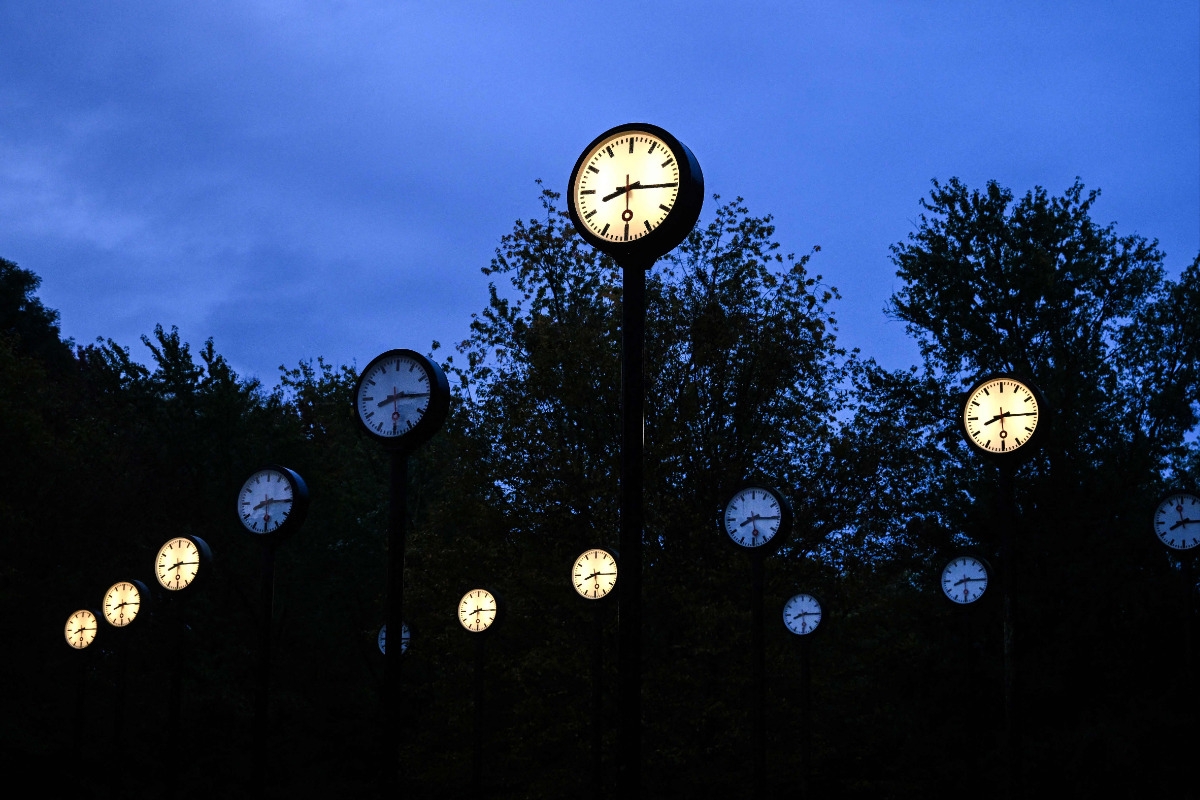
Europe has begun observing winter time by setting clocks back one hour, with Germany returning to Central European Time.
Translated by Qiyas from الجريدة — Original source
The clocks in Europe were set back by one hour at 3 a.m. on Sunday, marking the end of daylight saving time in most European countries.
Germany and Central European countries returned to observing Central European Time (CET), which is one hour behind Greenwich Mean Time (GMT), instead of Central European Summer Time (CEST), which is two hours behind GMT.
The practice of changing the time was reintroduced in Germany in 1980 with the aim of saving energy and making the most of daylight. Under this arrangement, standard (winter) time will remain in effect until March 28 of next year.
Experts at the institute ensure that radio-controlled clocks, station clocks, and many industrial clocks receive the time signal via a long-wave transmitter known as DCF77, located in Mainflingen near Frankfurt.
