Researchers turn plastic into cookies using bread yeast
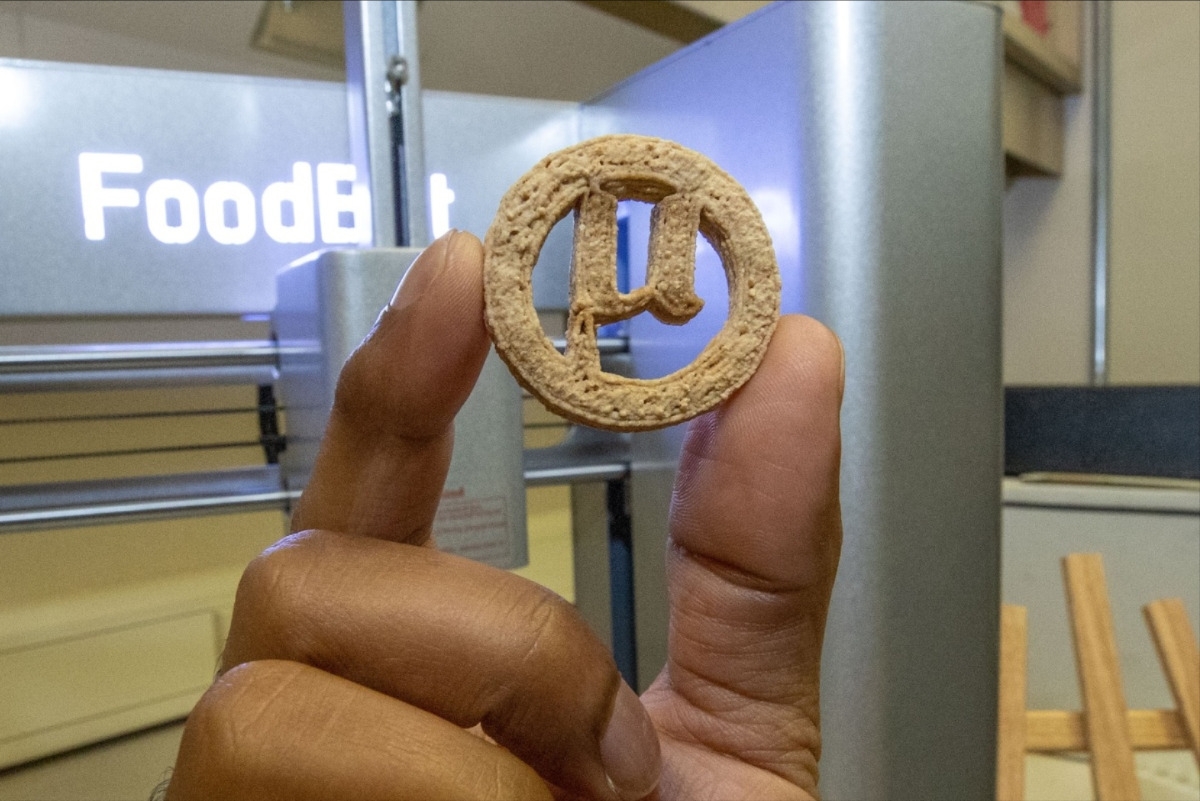
University of Southern Illinois team turns plastic into edible cookies using engineered bread yeast.
Translated by Qiyas from الجريدة — Original source
“Microbite” is considered a cookie printed using 3D printing technology, made from recycled and repurposed plastic. This experimental snack may look like a nightmare from a dystopian future that has become reality, but it is, in fact, real food designed for a resource-constrained world.
In 2021, a team led by Lahiru Jayakody, a microbiology professor at Southern Illinois University in Carbondale, responded to a request from NASA to develop food that could be produced from materials carried aboard a spacecraft bound for Mars. They discovered a type of microbe capable of converting waste into a ready-to-eat meal.
The team developed a process to break down polyethylene terephthalate (PET) plastic, used in manufacturing bottles and food packaging, into simple molecules. Researchers then fed this ground material to biologically engineered baker’s yeast, which converts the molecules into edible proteins with a vanilla flavor.
Sandya Jayasekara, a graduate student at Southern Illinois University in Carbondale, said, “We haven’t tasted it yet, but we are working on it, conducting the necessary experiments to ensure that this cookie is safe to eat.”
However, the concept resembles certain chemical processes already used in food manufacturing. For example, the vanilla flavoring used in ice cream is often extracted from fossil fuels. Whether in space or on Earth, a product like Microbite could be beneficial for our future.
