Lebanon: Hezbollah Threatens Internal Escalation
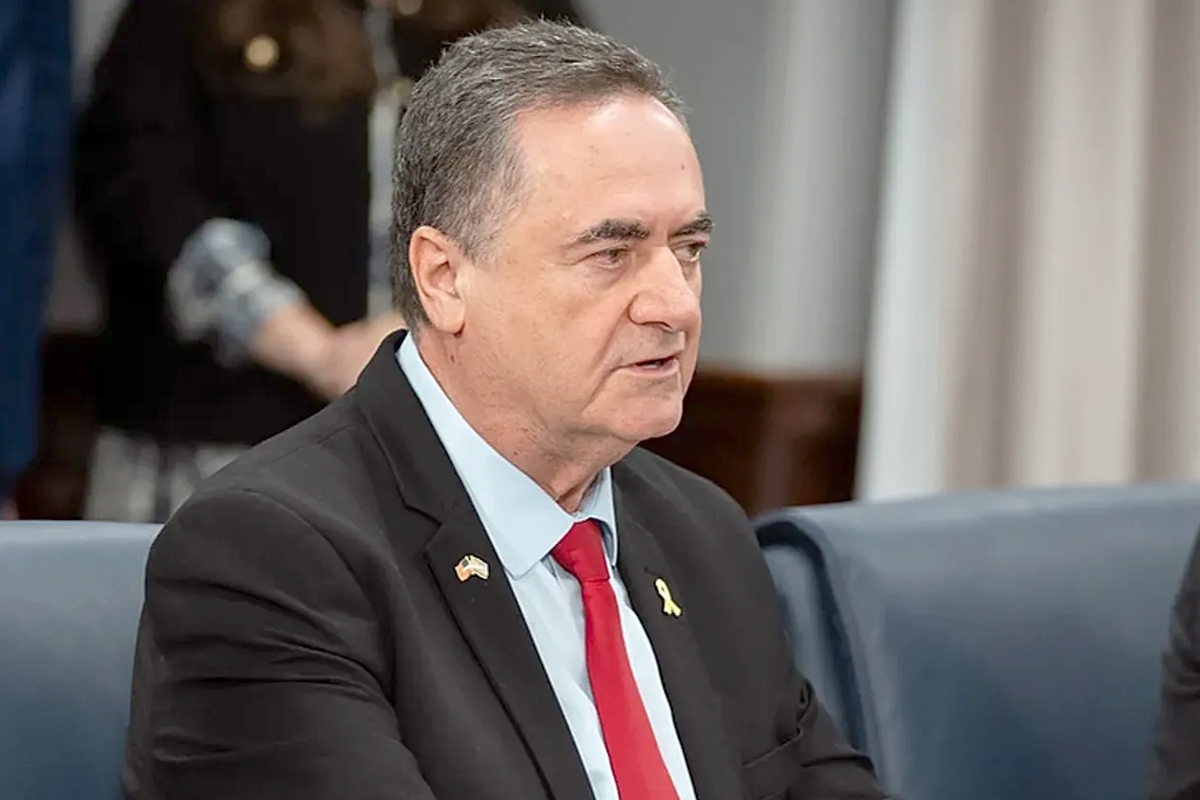
Internal confrontation in Lebanon intensifies following the seizure of an explosives shipment in Dahr el-Biedar, amid U.S. pressure and Hezbollah's refusal to cooperate with judicial authorities, threatening broader escalation.
Translated by Qiyas from الجريدة — Original source
The repeated escalation by Israeli Prime Minister Benjamin Netanyahu and his threats against Lebanon and Hezbollah have not obscured the intensification of the domestic confrontation following the seizure of an explosives shipment in the Dahr el-Bider area. The file transcends the pursuit of those who transported the shipment; it is a test of the state’s ability to enforce its security and judicial decisions amid American pressure to hold all those involved accountable, and Hezbollah’s refusal to cooperate with measures that could implicate its officials, amid warnings of potential escalation steps by the party.
According to information monitoring the file, pressure continues to issue judicial summons against officials suspected of directing the two individuals who transported the explosives, known by the aliases “Dhulfiqar” and “Sajid.” Information indicates that the General Security Directorate has successfully identified their full identities, while the judiciary insists on completing the necessary procedures to summon and pursue them.
Sources close to the matter state that the Lebanese state’s political decision is to continue the investigation to its conclusion and not back down under pressure. The file was discussed in the security meeting held by President Joseph Aoun in Baabda two days ago, where emphasis was placed on preventing breaches of security, prohibiting the transport of weapons outside legal frameworks, confiscating any illegal weapon shipments, and arresting those responsible.
According to sources, these stances are interpreted as political cover to complete the investigations, at a time when the file is receiving direct American attention.
However, the investigation process is accompanied by repeated contradictions in circulating information regarding the judicial summons and warrants. Whenever information leaks about procedures targeting Hezbollah officials, certain entities quickly deny them or question their accuracy, reflecting the sensitivity of the file and the scale of the surrounding political complexities.
This was evident in reports about the issuance of summons against Hussein Abdullah, head of the party’s liaison and coordination unit, and his deputy Ali Ayoub, before they were denied. The same occurred with information about arrest warrants for “Dhulfiqar” and “Sajid.” Monitoring sources believe these leaks may be linked to attempts to gauge public sentiment and measure reactions before moving to actual judicial steps, although their motives are difficult to confirm.
In contrast, Hezbollah, according to sources, refuses to engage with any judicial measures targeting its officials and shows no willingness to cooperate with the state in this regard, amid fears that executing the pursuit could lead to a political and security confrontation. Information indicates that the party is signaling escalation steps to prevent the arrest of its officials, thereby placing the authorities before a real test of their ability to enforce their decisions without sliding into an internal confrontation.
Parallel to the investigations, a round of military talks between the Lebanese and Israeli armies took place in Tampa, United States. The talks were largely technical in nature and, according to available information, did not result in a breakthrough on core issues. The Lebanese side called for an end to Israeli attacks and withdrawal from occupied territories, while Tel Aviv insisted on direct coordination between the armies, including joint patrols and efforts to withdraw Hezbollah’s weapons.
The meeting was preceded by an Israeli escalation against the Lebanese army, with the Israeli military accusing it of being lenient toward Hezbollah and allowing it to transport weapons in the southern Litani region. The accusation was based on an incident that Israel said occurred in the town of Kafr Kila during a December 2025 session of the ceasefire monitoring mechanism. According to the Israeli account, the Lebanese army had then reported that it had completed a mission to dismantle a facility, before Tel Aviv claimed that Hezbollah continued working there and transported weapons from it.
He stressed that Israel would not withdraw from the security zone until Hezbollah is disarmed throughout Lebanon, while threatening to expand the security zone to include additional areas in the south, particularly in the Nabatieh and Litani regions.
