Brent Near 5-Month High as Regional Tensions Rise
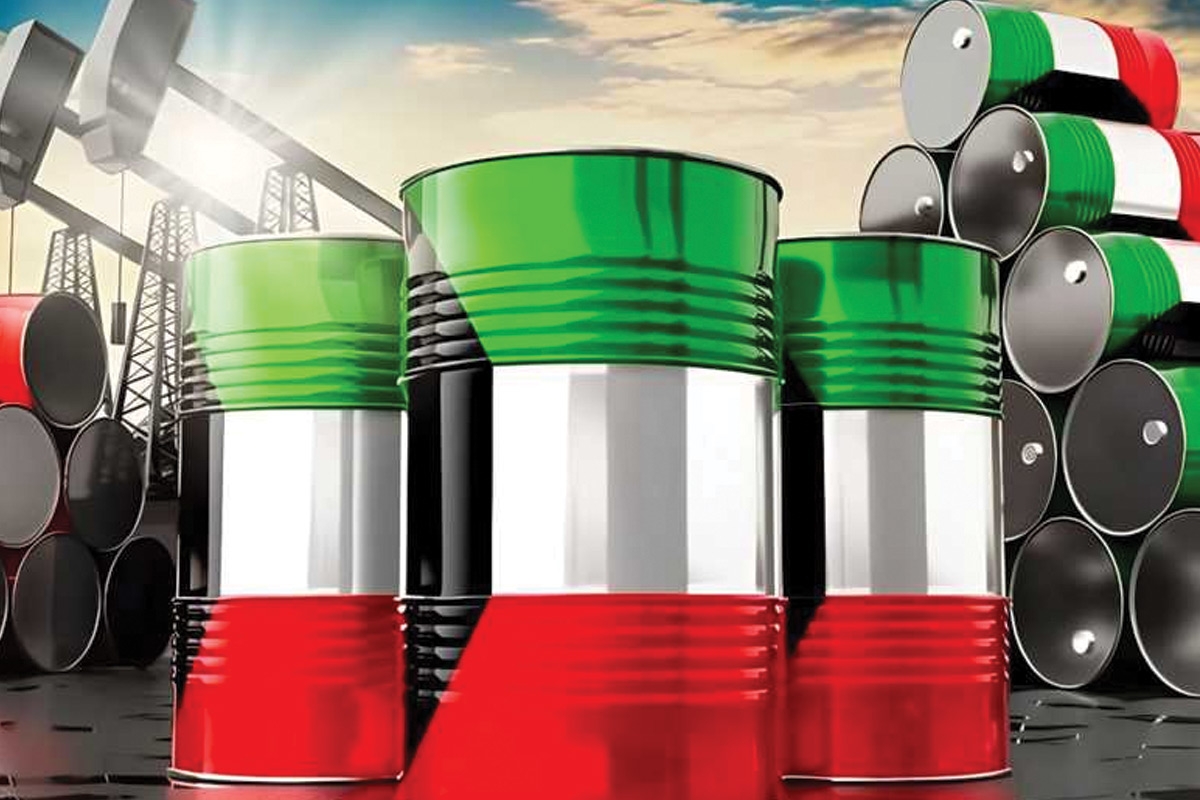
Kuwaiti Oil and Brent prices rise, affected by geopolitical tensions in the Gulf and infrastructure attacks, despite Trump's measures with Russia.
Translated by Qiyas from الجريدة — Original source
The price of a barrel of Kuwaiti crude oil rose by $1.09 to reach $104.22 per barrel in Monday trading, compared to $103.13 in last Friday’s trading, according to the price announced by the Kuwait Petroleum Corporation.
In global markets, oil prices rose on Monday morning, with Brent crude hovering near its highest level in five months, as traders factored in geopolitical risk premiums resulting from Houthi attacks on Saudi infrastructure and reports of attacks on ships in the Gulf.
Brent crude futures rose 52 cents, or 0.47 percent, to $110.07 per barrel, after climbing to $110.70 per barrel in the previous session, marking the highest level since May 20.
ING analysts said in a Tuesday note, “Oil prices continue to receive strong support... This indicates that the market is pricing in a significant risk premium, given the volatility of the situation.”
They added, “However, if flows continue uninterrupted despite geopolitical tensions, the risk premium is likely to decline gradually. There are no clear signs of this so far.”
Kpler, the ship-tracking firm, noted in a Monday report that at least 18 ships had been attacked over a two-week period, keeping the risk premium unchanged.
The resumption of attacks has heightened concerns about regional stability and underscored ongoing risks to energy supplies from the region, keeping oil prices above $100 per barrel.
In the United States, an initial Reuters poll on Monday showed that U.S. crude oil inventories are expected to have declined last week, alongside declines in product stockpiles.
On Friday, U.S. President Donald Trump issued an executive order canceling major U.S. sanctions and tariffs related to Russia, including duties on Russian goods and sanctions on the purchase of Russian oil and gas.
Last week, the International Energy Agency reported that Russia’s crude oil production rose by 65,000 barrels per day in September to reach 8.43 million barrels per day, but remained about 870,000 barrels per day below its level a year earlier.
Tim Waterer, an analyst at KCM Trade, said, “While the prospect of additional Russian diesel supplies offers some theoretical relief, traders appear to be focusing much more on the continued risk of further damage to energy infrastructure across the Gulf region.”
