Are Pressures Pushing Hezbollah Toward the Fate of the Forces in the 1990s?
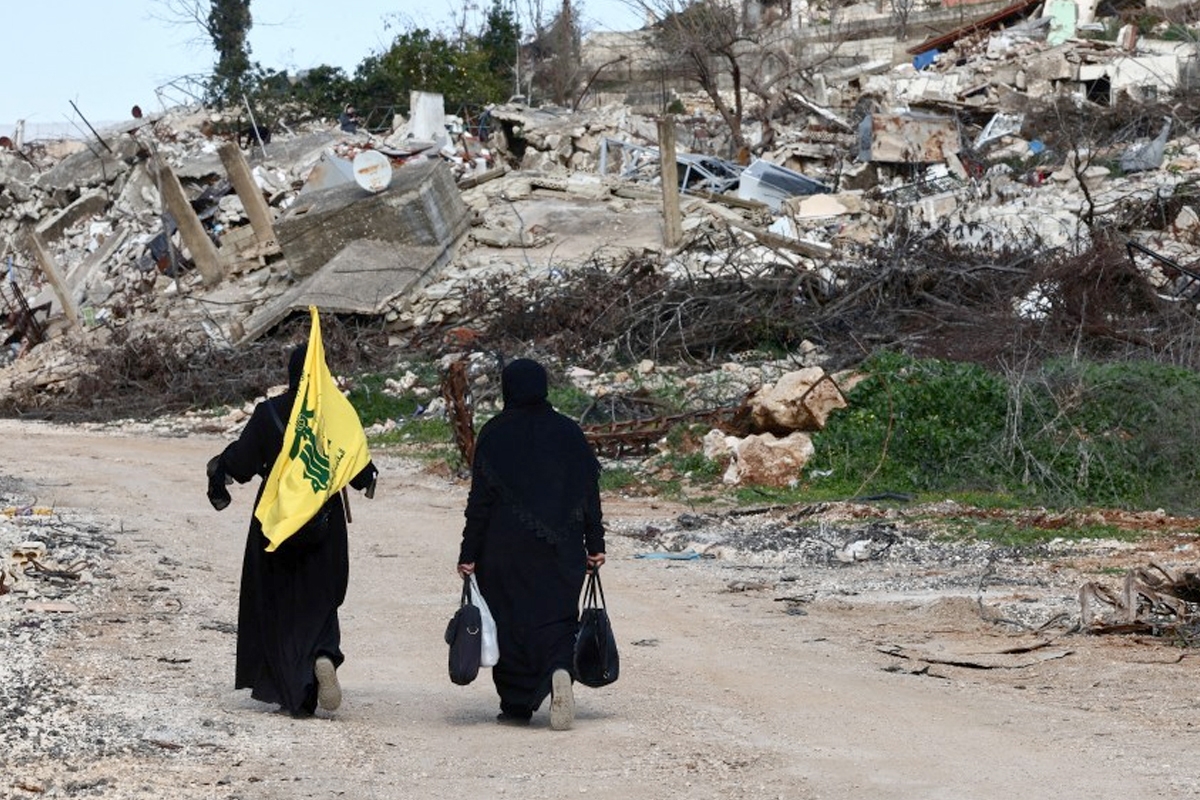
Lebanon faces international and Israeli pressure, while internal tensions escalate between Hezbollah and President Joseph Aoun regarding security control and the pursuit of explosives.
Translated by Qiyas from الجريدة — Original source
All international and diplomatic messages received by Lebanon have converged on a warning about two extremely dangerous weeks, during which it is imperative to monitor Israel’s potential actions in light of Prime Minister Benjamin Netanyahu’s threats to strike “enemies” at any time, including before the Israeli elections scheduled for the 27th of this month, amid fears of a broader regional confrontation.
External tensions are inextricably linked to Lebanon’s domestic landscape, where Hezbollah faces pressure not to engage in any potential confrontation between Tehran and Washington, alongside intensified scrutiny regarding the investigation into the explosives shipment seized from its members, and the possible financial and judicial measures that may follow.
The discovery of a tunnel in a mixed neighborhood in the Fanar area of Beirut’s northern suburb has further heightened tensions, amid growing Lebanese demands to restrict weapons solely to state control. This prompted President Joseph Aoun to convene a security and military meeting to take necessary measures to secure safety and prevent armed manifestations.
During the meeting, Aoun stressed the need for strict enforcement of laws, prevention of armed displays, confiscation of weapons and ammunition, expediting investigations, and referring violators to the competent judiciary, emphasizing zero tolerance for any attempt to undermine security or destabilize the country. He also called for strengthening the deployment of Internal Security Forces, General Security, and State Security in southern villages and towns not under Israeli occupation, to reassure residents and facilitate their administrative affairs, while noting the readiness, rapid response, and effectiveness of the army and security forces in detecting crimes, pursuing perpetrators, and arresting them.
Aoun’s firm stance comes amid indications of radical changes in the state’s approach toward Hezbollah, starting with the seizure of its explosives shipments, followed by raids on an Iranian pharmaceutical factory, the arrest of its members, and the tracking of any financial channels that may benefit it, whether through pharmaceutical trade or otherwise.
In this climate, Lebanese officials have called for transferring the investigation into the explosives shipment seized at the Dahr al-Bider checkpoint to the Council of State, which would practically mean prosecuting senior Hezbollah leaders, and possibly later demanding the party’s dissolution, as happened with the Lebanese Forces in the 1990s.
Hezbollah is monitoring these indicators and views them as a precursor to further measures against it. Consequently, it has initiated a gradual escalation path, from recent movements in the suburb and Beirut, to statements by its officials warning the Lebanese state against continuing its pressure, asserting that this will lead to a serious internal explosion, seemingly laying the groundwork for further political escalation.
