Al-Shatti to Al-Jarida: Fluctuations in Kuwaiti Oil Prices Driven by Geopolitical Developments
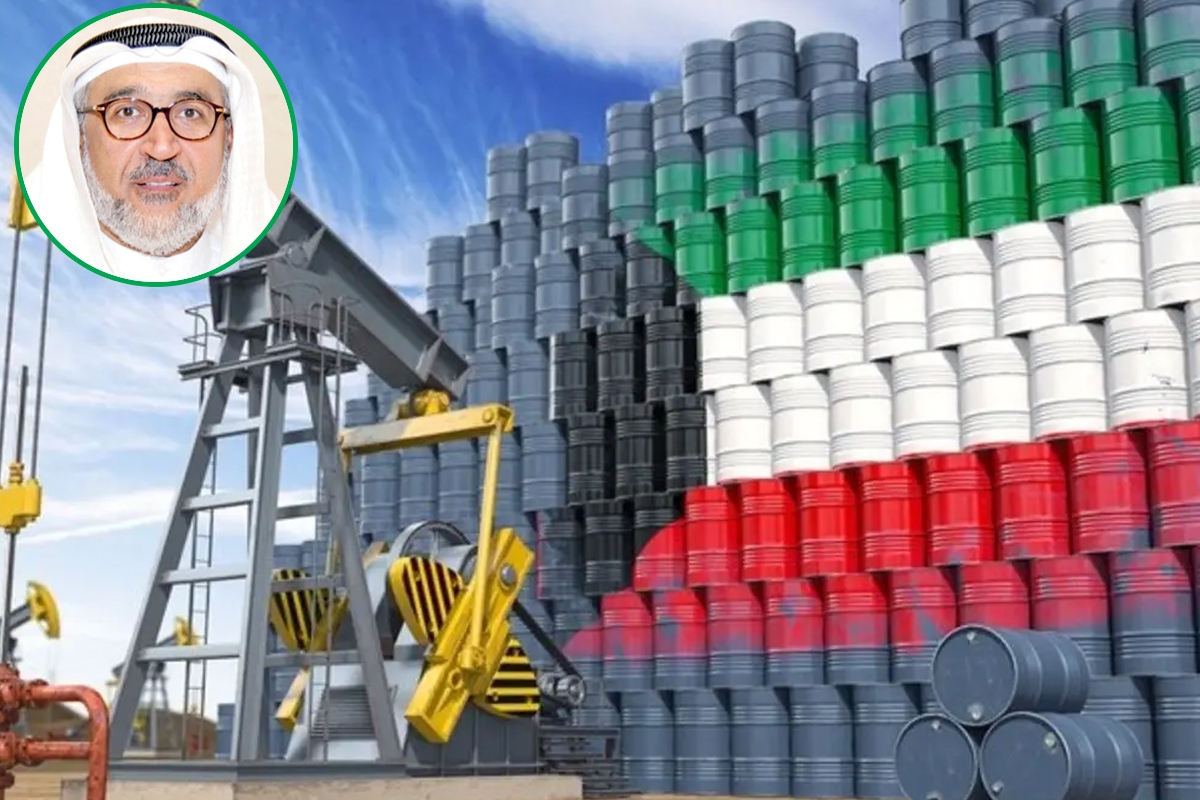
Mohammed Al-Shatti links oil price fluctuations to geopolitical developments in the Gulf and changes in supply and demand.
Translated by Qiyas from الجريدة — Original source
Oil expert Mohammed Al-Shatti confirmed that prices of Kuwaiti crude oil experienced fluctuations driven by geopolitical developments in the Arabian Gulf region, which remain the primary driver of price movements between escalation and de-escalation. This is because prices are linked to energy transportation through international maritime straits guaranteed by international law for freedom of navigation, as well as changes in global supply and demand balances, during the period from April to October 2026.
In exclusive comments to Al-Jarida, Al-Shatti stated that, excluding OPEC, oil industry forecasts point to a significant decline in oil demand, with the sharpest drop occurring in China, where Beijing reduced refinery operating rates. This helped stabilize prices and avoid sharp spikes, aided by producers’ insistence and success in raising production and exports. He noted that the OPEC Secretariat does not foresee a decline in demand, but has lowered its forecast for demand recovery from 1.2 million barrels per day at the beginning of the year to just 200,000 barrels per day, representing an increase in demand rate during 2026 compared to 2025.
Al-Shatti expressed his belief that the major problem and challenge lie in products, particularly diesel and jet fuel, and to some extent gasoline, due to lack of investment in refining, targeting of refineries in Russia and the Arabian Gulf, and inability to export because of infringements on freedom of navigation in the Strait of Hormuz and the Bab al-Mandab.
He added that risks surrounding energy transportation have contributed to pushing shipping and insurance rates to unprecedented levels, especially with the targeting of numerous tankers. Consequently, companies have announced their intention to invest in purchasing or building new tankers. He pointed out that this situation makes tanker owners and insurance companies the biggest beneficiaries who raised shipping and insurance rates, a development that helped push price levels to $100 and above.
He said that global oil prices witnessed a decline due to factors pressuring prices, following a reduction in tensions in the Arabian Gulf region, as well as expectations of increased US oil production. ConocoPhillips indicated that US oil production could rise to 14 million barrels per day or more in 2027, according to the US Energy Information Administration’s forecasts if current prices persist. He added that undoubtedly, those able to sell additional quantities and boost supply will benefit from higher prices, resulting in increased oil revenues.
Al-Shatti noted that some energy companies suggest that any restrictions on US diesel exports may be ineffective in lowering prices in the United States. He pointed out that certain factors continue to support oil prices, including uncertainty regarding global navigation and energy through the Strait of Hormuz, which continues to support risk premiums in prices. He emphasized that the Brent curve is in a state of tightness, reflecting ongoing concerns about short-term supplies, as well as fears of insufficient investment in traditional supplies, which may support keeping prices at relatively high levels in the medium term.
He clarified that the market demands more medium and heavy Gulf crudes, and generally, refineries were built based on the characteristics of Gulf crude oils due to the vast oil reserves in the Gulf.
Al-Shatti concluded that the oil industry in Kuwait has succeeded, by the grace of God, then through the vision of its leadership and national cadres, and with the support of the wise leadership, in raising its production and exports to around two million barrels per day. It has the capacity to increase further should conditions return to their previous normalcy and freedom of navigation and energy transportation be secured.
