Al-Eissa: One-Quarter of Kuwaitis Suffer from Osteoporosis
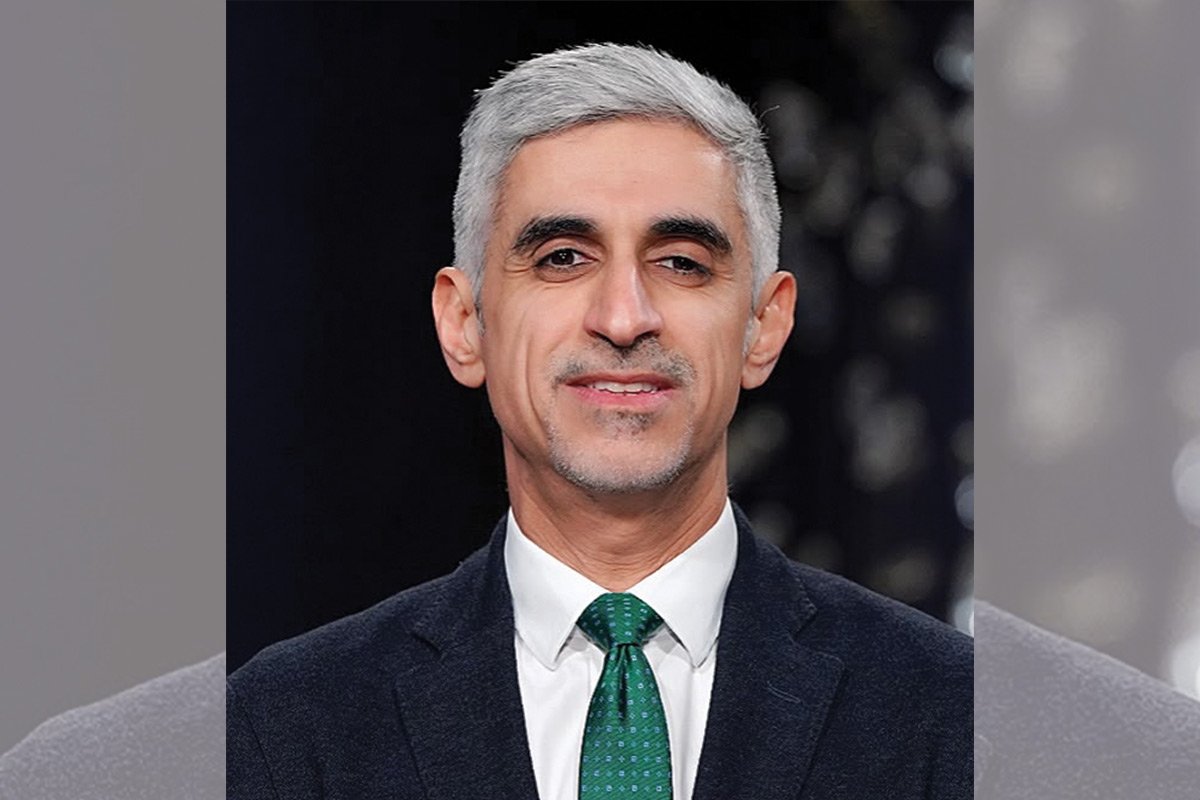
Dr. Thamer Al-Eissa revealed that one-quarter of Kuwaitis suffer from osteoporosis, noting collaboration with the General Administration of Healthcare to enhance diagnosis and treatment.
Translated by Qiyas from الجريدة — Original source
Dr. Thamer Al-Eissa, deputy president of the Kuwait Osteoporosis Association, revealed that the prevalence of osteoporosis among Kuwaitis ranges between 20 and 25 percent, with rates rising among older age groups, particularly those over 65, while declining significantly among younger populations. He noted that Kuwait falls within the global average in terms of disease prevalence.
Speaking to Al-Jarida, Al-Eissa stated that the Association collaborates with the Ministry of Health, represented by the General Administration of Primary Health Care, to provide diagnostic and treatment services for osteoporosis at health centers. This aims to facilitate patients’ access to medical care and reduce reliance on hospitals, which may experience overcrowding and longer waiting times. He clarified that the “HOPE” primary care physician training program, launched by the Association in 2010, has organized eight training courses, resulting in the training of 344 physicians who currently work in osteoporosis clinics at primary health care centers across various health regions.
Al-Eissa pointed out that there are 84 osteoporosis clinics in the country, distributed across different areas of Kuwait. He emphasized the program’s importance in enhancing physicians’ capacity to provide necessary care, noting that the collaboration extends beyond basic training to include intensive refresher courses throughout the year to update doctors’ knowledge and develop their expertise in diagnosis and treatment.
Regarding the appropriate timing for women to undergo bone density scans, Al-Eissa stressed that there is no specific age suitable for everyone, as the timing depends on risk factors that increase the likelihood of developing osteoporosis. Key risk factors include early menopause, chronic diseases such as rheumatism and diabetes, long-term use of corticosteroids or anti-seizure medications, kidney and liver diseases, organ transplantation, and certain gastrointestinal conditions such as celiac disease and ulcerative colitis, which may increase the risk of osteoporosis at an earlier age.
Al-Eissa reiterated that women are more susceptible to osteoporosis, with approximately one-third of women at risk of developing the disease, compared to about one-fifth of men. He highlighted that the Ministry provides the necessary medications, which are divided into two main categories: the first includes anabolic drugs that stimulate bone-building cells and enhance bone density, typically used for severe cases, including patients who have suffered fractures due to osteoporosis. The second category comprises treatments for less severe cases, available in tablet or subcutaneous injection forms, while anabolic treatments are also administered via subcutaneous injections.
