Iran Sets Conditions on 'Yemen Agreement'
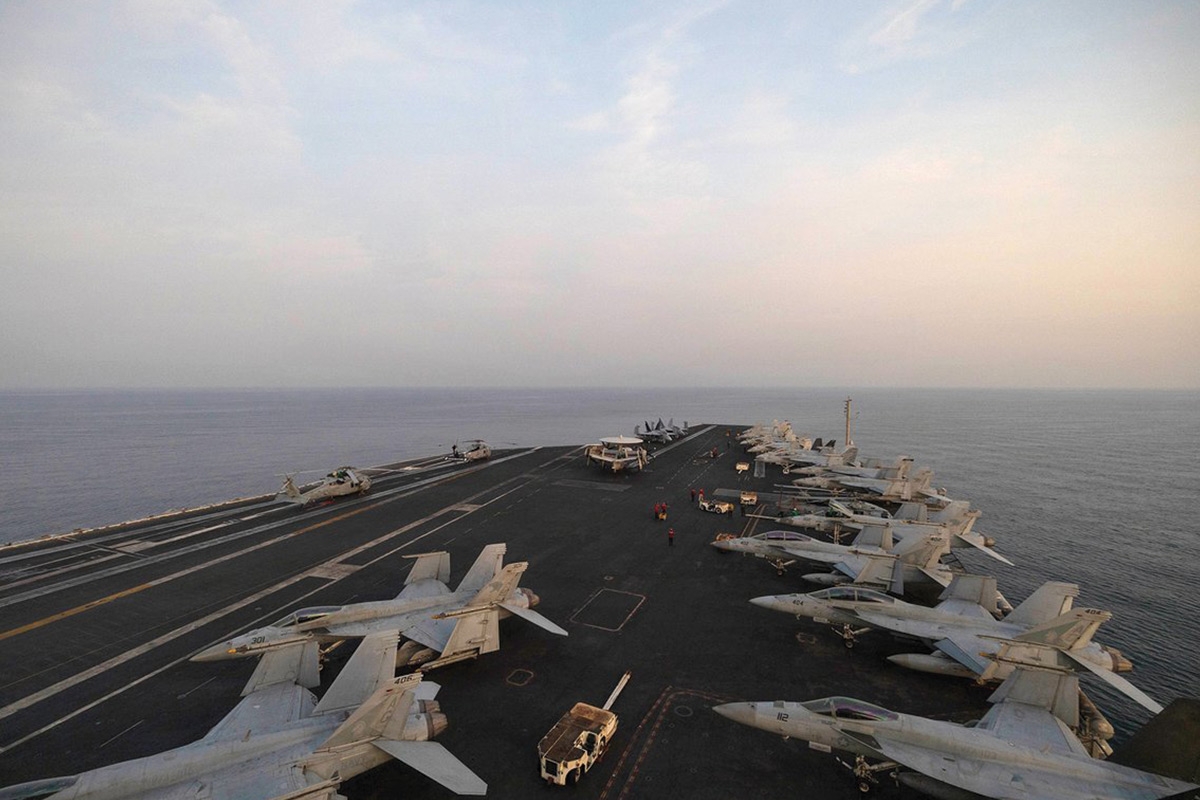
Iran announced conditions for a Yemeni settlement and threatened Saudi Arabia and the United States, while denying involvement in Houthi operations, amid escalating tensions in the Strait of Hormuz.
Translated by Qiyas from الجريدة — Original source
Coinciding with its renewed offer to mediate between the Iran-backed Houthi militia in Yemen and Saudi Arabia, Iran has laid out what amounts to conditions for resolving the conflict and reaching a deal in Yemen, even as it continued its escalation against ships in the Strait of Hormuz.
Speaking today, Ismail Baghaei, spokesperson for the Iranian Foreign Ministry, stated that resolving the Yemeni issue requires “respect for national sovereignty and the territorial integrity of Yemen, an end to interference in internal affairs, and, most importantly, the lifting of the aerial and naval blockade.”
In response to accusations by Saudi Deputy Foreign Minister for Public Diplomacy, Raed Qarmali, that Iran was “encouraging the rebel militia to increase its attacks in the final stage and continuing to arm, train, and support it,” Baghaei said that Tehran “rejects any claim that it has a role in operations carried out by the Houthis,” asserting that Yemeni forces allied with his country act according to their own interests and assessments, and maintaining that Iran does not believe that escalating tensions serves the interests of any party.
For his part, Iranian Foreign Minister Abbas Araghchi renewed his readiness to offer any assistance to stop the conflict between Saudi Arabia and the Yemeni militia backed by his country, during a meeting with his Egyptian counterpart, Badr Abdelatty, on the sidelines of the Organization of Islamic Cooperation ministerial meeting in Baghdad.
Meanwhile, the Wall Street Journal reported today, citing sources, that Iran provided the Houthis with information that contributed to targeting Saudi strikes, adding that Tehran has resorted to smuggling weapons to its allies via small submarines.
The newspaper’s report noted that the Houthis’ recent tactics suggest they have received training from Iran, citing information confirming the presence of Islamic Revolutionary Guard Corps officers on the front lines with the Houthis.
Meanwhile, Alaeeddin Boroujerdi, a member of the Iranian Parliament’s National Security and Foreign Policy Committee, threatened to use what he termed “Abu al-Missiles” against the United States, in response to US threats to use “Mother of All Bombs” against sensitive energy, nuclear, and military infrastructure sites, amid a potential new round of escalation.
Acting Iranian Defense Minister, Major General Seyed Ibn al-Rida, also responded to Trump’s threats, claiming that his country’s missile forces were the ones that “changed the equations.” Ibn al-Rida wrote, “Headlines and bomb sizes are irrelevant!” Addressing Americans, he added, “Your bombs will explode elsewhere—in your global reputation, in the US economy, and even in your electoral equations!” This was a reference to the midterm congressional elections scheduled for November 3.
While the Assembly of Experts called on Iranian forces to maintain full readiness and respond decisively to any new aggression, emphasizing the need to take US threats regarding the resumption of war seriously, the Islamic Revolutionary Guard Corps Navy claimed that a supertanker carrying more than two million barrels of crude oil was hit by an explosion and severe fire, which it said resulted from colliding with a sea mine while attempting to cross the Strait of Hormuz on a route supported by the US military.
UK maritime trade operations announced that a tanker was attacked and struck by an unknown object 10 miles off the coast of Jubail, north of Saudi Arabia.
Meanwhile, US Vice President JD Vance hinted during a television appearance that he may have disagreed with Trump over the Iran war.
This comes as Axios reported that U.S. officials stated the White House had suspended strikes against Iranian anti-ship missiles and drone launch platforms in the Strait of Hormuz, in an effort to avoid escalating the war before the congressional elections. The move was aimed at preventing Tehran from using any incident as an excuse, while working to further disrupt navigation, drive up oil prices, and increase pressure on Trump and the Republican Party.
