Al-Shal: Gulf stock exchanges liquidity dropped by 5% until September
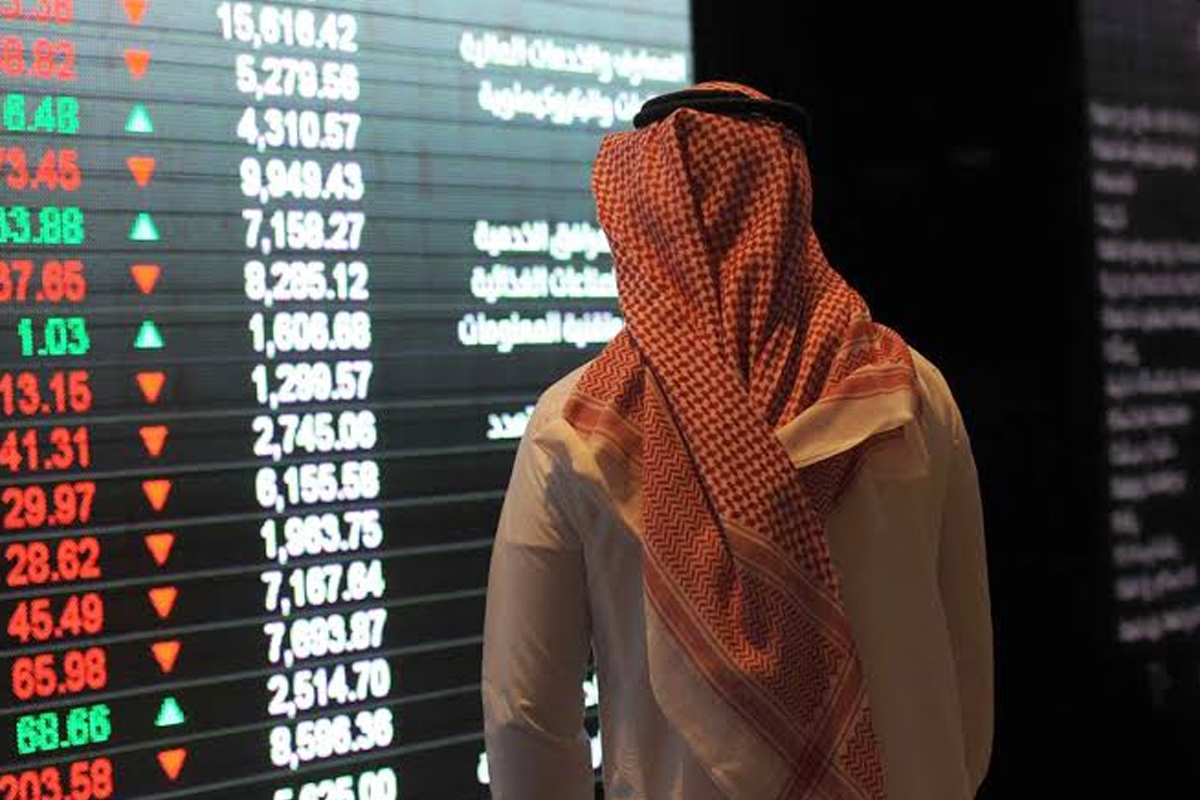
Al-Shal report reveals a 5% drop in Gulf stock exchanges liquidity during the first nine months of 2026 compared to 2025, with varying index performance across markets.
Translated by Qiyas from الجريدة — Original source
Total liquidity across the seven Gulf stock exchanges declined from $466.8 billion during the first nine months of 2025 to $443.4 billion in the same period of 2026, registering a decrease of 5.0%. This downturn is largely attributed to a sharp drop in Saudi market liquidity, despite its decline not being the highest, alongside reduced liquidity in four other exchanges at varying rates. Conversely, liquidity rose in only two exchanges.
According to the “Shaal” report, Muscat Securities Market recorded the highest relative increase in liquidity, rising by approximately 302.1% compared to the first nine months of 2025, and its index achieved the highest gains in the region at around 29.0%. The second-highest relative increase was seen in the Dubai Market, at approximately 20.7%, while its index diverged from the liquidity trend, posting losses of 1.4%.
On the other hand, Bahrain Bourse liquidity fell by approximately 72.6%, with its index declining by around 7.7%. Kuwait Bourse followed, with liquidity dropping by 19.1% and its general index falling by 1.4%. Saudi market liquidity decreased by 11.8%, with its index down by 0.5%. Abu Dhabi Securities Exchange liquidity fell by 5.4%, while its index diverged from the liquidity trend, posting gains of approximately 0.8%.
Finally, Qatar Stock Exchange recorded the smallest relative decline in liquidity at around 3.6%, while its index suffered the largest losses at approximately 14.1%. This indicates that five markets in the region showed alignment between liquidity and index movements, while two markets diverged, with their index trends moving opposite to their liquidity trends.
