Ukraine Resumes Strikes on Russian Refineries as Trump Seeks to Free Moscow's Assets
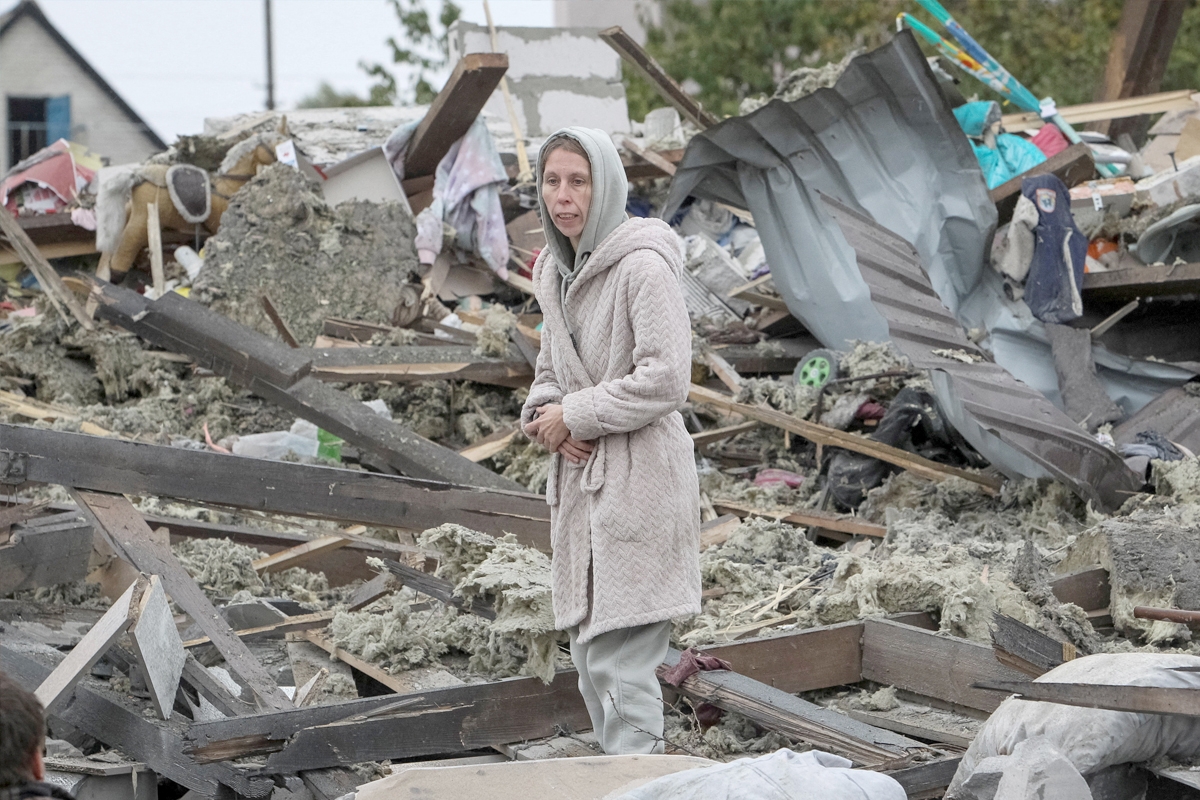
Ukraine resumes strikes on Russian oil refineries amid Trump's efforts to secure a truce and free Moscow's assets.
Translated by Qiyas from الجريدة — Original source
Ukraine resumed strikes on Russian oil refineries today, as U.S. President Donald Trump considers offering new concessions to Moscow, including the release of frozen Russian financial assets. After Kyiv had halted attacks on Russian refineries for several days to allow a chance for a ceasefire announced unilaterally by Trump—a move not confirmed by either Kyiv or Moscow—Russian authorities reported that a Ukrainian drone and missile attack targeted an oil refinery in the Ryazan region, southeast of Moscow. Meanwhile, the Ukrainian military stated it damaged six Russian Su-34M fighter jets in a strike during the night of Wednesday-Thursday that targeted the Borisoglebsk airbase in Russia’s Voronezh region.
Ukrainian President Volodymyr Zelenskyy said in an interview with Britain’s Financial Times today that restraint had ended, announcing new attacks on Russian oil refineries. Trump has repeatedly criticized Ukrainian strikes on Russian oil refineries and fuel storage facilities, arguing they exacerbate global fuel shortages and contribute to sharp price increases, as he seeks to lower oil and diesel prices ahead of the midterm elections scheduled for November.
Zelenskyy also expressed anger over a “serious” shortage of intelligence information from the United States and the simultaneous restriction of Starlink satellite internet service, renewing his call for Washington to provide Ukraine with Patriot missiles.
He urged Washington to show “integrity” in the war against Russia, after more than four and a half years of bloody fighting, calling on the United States not to stand on the side of the “aggressor.”
According to a source within the Ukrainian Ministry of Defense, “Starshield operations have been restored and are ongoing” as of today, with Kyiv currently seeking to “clarify all the reasons and circumstances that led to the imposition of restrictions” on Wednesday.
According to Zelenskyy, the U.S. side claimed that the lack of prior warning during the nights of Tuesday and Wednesday was due to a technical issue. However, he told the Financial Times that what happened “was not a technical problem, but a deliberate act.”
Kremlin spokesperson Dmitry Peskov said that Kyiv “continues to launch attacks on these facilities, which means a serious conflict with peace efforts by the United States and American negotiators who are making strenuous efforts to launch a peace process.”
Ukraine said yesterday that the U.S. space technology company SpaceX had imposed restrictions on Starlink services, hindering the country’s offensive and defensive drone missions.
Elon Musk, the company’s CEO, noted that any restrictions on the system’s speed or usage are decided by the U.S. military, and the final decision ultimately rests with the U.S. President. In this context, he distinguished between Starshield, a military-purpose service used by Ukraine in its defensive operations and on the front lines, and Starlink, which is limited to civilian use. SpaceX’s satellite constellation provides both services. The American billionaire again called for Zelenskyy’s removal, writing on his platform X that as long as Zelenskyy remains in office, “the massacre continues.”
The Financial Times, citing informed sources, reported that the United States had proposed to European countries unfreezing certain Russian sovereign assets and transferring them to an entity overseen by Washington, in an effort to revive peace talks to end the war with Ukraine. The newspaper said European envoys rejected the plan, which was put forward by U.S. special envoy Steve Witkoff and Jared Kushner, Trump’s son-in-law.
Meanwhile, a U.S. official said the Trump administration is considering easing sanctions on what are known as “shadow fleet” vessels that transport oil and petroleum products from countries including Russia, Iran, and Venezuela, in an attempt to lower global shipping costs, which have surged to sharp levels.
These discussions come days after Trump’s decision to suspend sanctions on Russian diesel fuel, a move that drew a barrage of criticism from Kyiv, European countries, and some Republican members of the U.S. Senate.
