Oil Prices Fall Amid Study on Easing Russia Sanctions
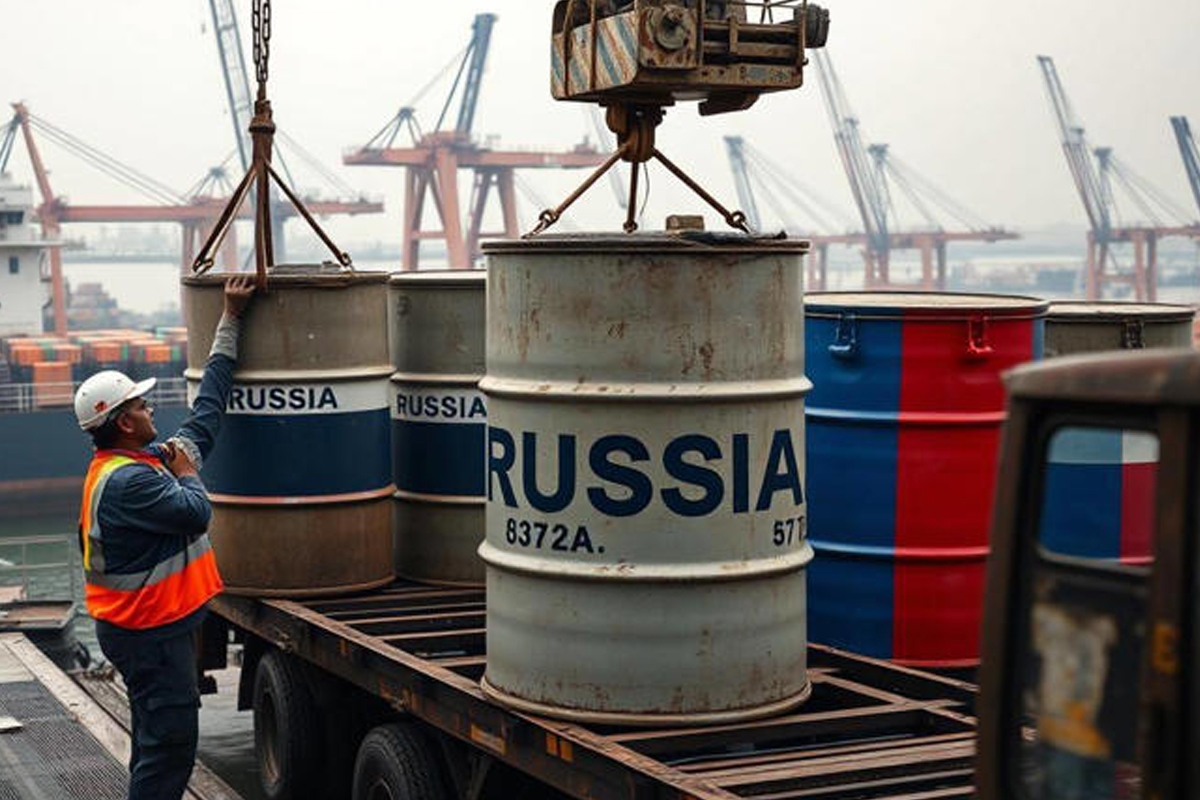
Kuwaiti crude oil prices rose while global prices fell due to talks on easing Russian sanctions, despite geopolitical tensions.
Translated by Qiyas from الجريدة — Original source
The price of a barrel of Kuwaiti crude oil rose by 16 cents to $106.23 in Wednesday trading, compared to $106.07 on Tuesday, according to the price announced by the Kuwait Petroleum Corporation.
In global markets, oil prices fell by about 2 percent earlier today, as the prospect of the United States taking steps to ease restrictions on tankers in Russia’s shadow fleet helped calm concerns about prices. However, attacks on ships in the Middle East and Ukrainian strikes on Russian energy infrastructure limited the decline.
John Evans, an analyst at PVM Oil, said oil prices dropped after a U.S. official said yesterday that the U.S. administration is considering easing sanctions on certain Russian tankers not subject to regulatory measures, a move that could help lower shipping costs and increase flexibility in transporting diesel shipments.
These discussions come days after U.S. President Donald Trump temporarily lifted sanctions on Russian diesel fuel to help curb a sharp rise in global prices.
A U.S. official said the new talks focus on the possibility of allowing “legitimate oil” to flow on board ships that were previously under sanctions.
However, prices still found some support from the escalation between Saudi Arabia and the Houthis in Yemen and renewed attacks on ships in the region.
Analysts at MUFG wrote in a note that “the ongoing conflict between Saudi Arabia and the Houthis will keep geopolitical risk premiums in oil markets elevated.”
In the United States, crude oil and distillate inventories fell, while gasoline inventories rose last week, according to market sources yesterday citing data from the American Petroleum Institute.
Sources said crude oil inventories fell by 11.1 million barrels in the week ending October 9. The drop was much larger than estimates from analysts surveyed by Reuters.
Shipping data and an informed source said today that the Polish company Orlen is expected to receive at least four shipments of Saudi crude in October, signaling a return of supplies to normal levels.
Saudi Arabia has increased crude flows through the East-West pipeline to export ports on the Red Sea since early October, following drone attacks that Riyadh blamed on Iraqi factions, which led to the closure of the pipeline on September 11, prompting customers such as Poland to quickly seek alternative supplies.
