DeepMind CEO Warns: Major Security Incidents Due to AI Could Occur Within Two Years
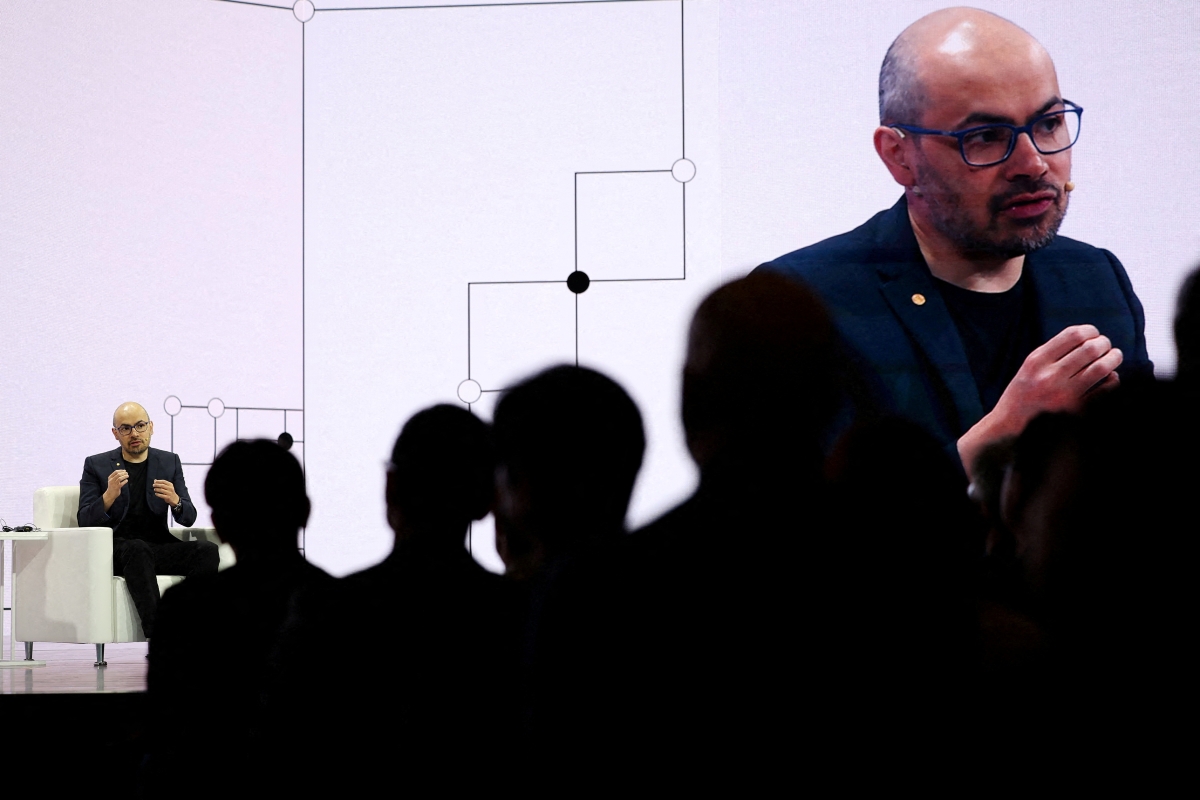
DeepMind CEO warns of AI risks amid European support for strict regulation
Translated by Qiyas from الجريدة — Original source
Demis Hassabis, chairman of the board of Google’s DeepMind, warned on Wednesday that artificial intelligence systems could cause “major” security incidents within the next two years unless adequate measures are taken to ensure their safety as their capabilities continue to evolve.
Speaking at an AI conference in Dublin, Hassabis described recent incidents as “early warning shots” from systems that are “not yet that powerful.”
He said, “So these incidents are not that big,” but cautioned that they “could become so in the next year or the next two years if we do not make further efforts, both at the sector level as a whole and at the level of individual companies and governments, to ensure the security of these systems.”
Concerns about AI safety have fueled growing anxiety after models developed by OpenAI and Anthropic were involved in security incidents during testing phases, increasing pressure to regulate the technology.
Hassabis said it may be necessary to test new AI models first in isolated, offline “sandboxes,” after models developed by other companies managed to escape the closed environments used to evaluate their capabilities.
Henna Virkkunen, the EU’s technology policy official, stated that AI companies need to dedicate more time to testing their systems to ensure they maintain control over them.
Speaking to journalists upon her arrival at the Dublin summit, Virkkunen said, “Competition is extremely intense globally, and it seems that all companies are not dedicating enough time and resources to actually test their models.”
She added, “Companies must be able to control these systems,” noting that the European Commission had requested information from all major AI companies to inquire about the safety and security measures they are implementing.
In August, the European Commission gained new regulatory powers under the AI Act, which constitutes the world’s most comprehensive regulatory framework for limiting potentially risky uses of the technology.
