Saudi Arabia announces oil facilities targeted in Yemen, missiles intercepted over its territory
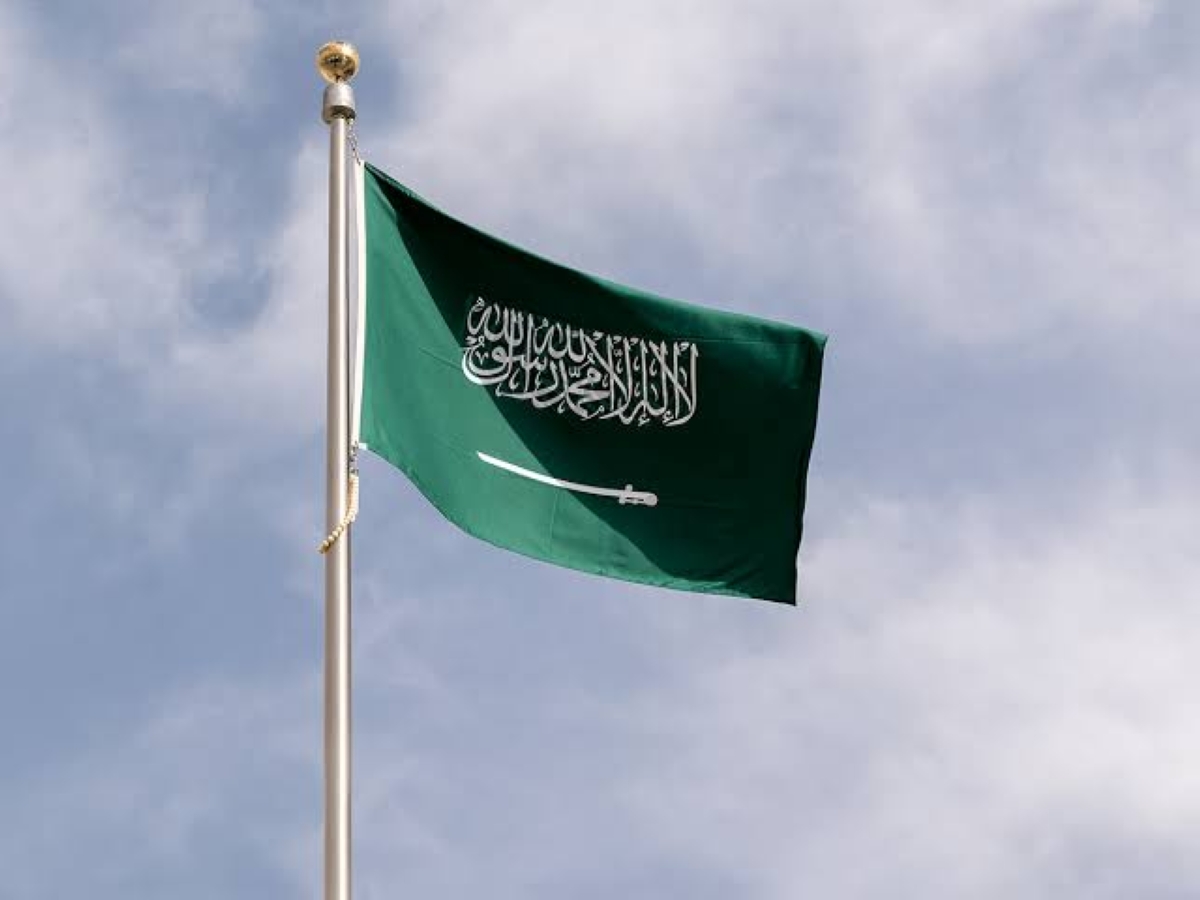
Saudi Arabia announces oil facilities targeted in Yemen, missiles intercepted over its territory
Translated by Qiyas from الجريدة — Original source
Saudi Arabia announced that it targeted oil facilities in Yemeni areas controlled by Iran-backed Houthi rebels, asserting that they were being used to “fuel the war effort.” It stated that it intercepted four cruise missiles and three drones over Riyadh and the southern region, while Reuters and AFP journalists and witnesses reported hearing loud explosions in the capital.
The coalition said that debris fell in a residential area in Dammam, home to the headquarters of Aramco, as a result of the missile interception operation.
Coalition spokesperson Turki al-Maliki wrote on the X platform, “Interception and destruction of 3 cruise missiles in the Riyadh and southern regions,” before separately posting about the “interception and destruction of two drones in the Riyadh and southern regions.”
Saudi Civil Defense briefly sent warning messages to residents of the Sulayel and Wadi al-Dawasir governorates, located in the southwestern part of the Riyadh region, about a potential “risk.”
Riyadh announced early on Wednesday that four people—a woman, a man, and a child—were injured by missile shrapnel in the capital, and that an administrative site belonging to Aramco in Dammam was attacked, causing a limited fire with no human casualties.
These developments in Saudi Arabia followed the coalition’s announcement of targeting an oil company in Sanaa, after it had previously warned civilians to stay away from it, and facilities used for fuel transport in the western Yemeni governorates of Saada and Dhamar on Tuesday.
A witness told AFP that while walking on a main street in Riyadh, he “saw a projectile cutting through the sky” above a shopping center, adding that it left “a yellowish light trail followed by a smoke trail, then we heard an explosion.”
Following Houthi strikes in recent days targeting airports and energy facilities in Saudi Arabia, the coalition issued its first evacuation order in the Yemeni capital, Sanaa, since the resumption of the war in July, before launching an attack on a facility belonging to the Yemeni Oil Company on the outskirts of the city.
An AFP correspondent in Sanaa reported hearing an explosion, while the Houthi-affiliated Al-Masirah TV channel stated that “Saudi aggression” targeted the oil company.
It added that the targeted facility “currently contains no stock of petroleum products,” and therefore its targeting “does not affect oil stocks or supply provisions.”
The Saudi government, in a statement following a meeting chaired by Crown Prince Mohammed bin Salman, said it “will not allow threats to its security or freedom of navigation in the Red Sea and the Bab al-Mandab Strait,” adding that the “terrorist Houthi militia will face the consequences of its crimes and repeated heinous attacks on airports in the Kingdom of Saudi Arabia, as well as on Mecca, Medina, and civilian and economic facilities.”
The resumption of the war in Yemen in July, after a relatively long truce between the Houthis and Saudi-backed Yemeni government forces, shifted military operations onto Saudi territory.
Houthi attacks have targeted Saudi oil facilities and oil tankers in the Red Sea, which constitutes by far the main route for the Kingdom’s oil exports, as well as transport hubs, including airports.
Houthi attacks in recent days reached an unprecedented range, including strikes on Riyadh Airport, one of which killed 13 people and injured hundreds on Saturday, marking the most severe attack on Saudi soil in over a decade.
On Tuesday, Saudi Arabia announced that it had intercepted drones north of Riyadh, a day after loud explosions were again heard in the area. The Riyadh-led coalition announced the interception of a Houthi missile, while Ansar Allah (the Houthis) said it had once again targeted the airport, whose air traffic remains suspended.
These explosions were preceded, for the first time in weeks, by an official statement from authorities urging residents to take shelter in safe places.
Traffic congestion in Riyadh, which has long been chronic, appeared noticeably lighter this week, as remote learning began in all schools and some companies issued work-from-home orders, according to AFP journalists.
The war is also taking a toll on the Saudi economy. The International Monetary Fund (IMF) has projected that the country will end the year with a contraction of 3.3 percent of its gross domestic product (GDP), which is five percentage points lower than previous estimates issued in July.
The kingdom was already facing difficulties due to Iran’s restrictions on navigation in the Strait of Hormuz, which began after the outbreak of the war in the Middle East in February with a US-Israeli attack on the Islamic Republic.
In Yemen, fighting continued between the Houthis and government forces backed by Riyadh.
On Tuesday, Mirjana Spoljaric, President of the International Committee of the Red Cross (ICRC), called for urgent efforts to “de-escalate” tensions in the Middle East, warning that an escalation of military operations in Yemen and Saudi Arabia would be “catastrophic” for tens of millions of people.
The World Health Organization (WHO) also announced that the number of suspected cholera cases in Yemen had tripled over three weeks, further straining health facilities that were already treating thousands of wounded from the fighting.
