Oil Falls Amid Anticipation of "Russian Diesel" and Gulf Risks
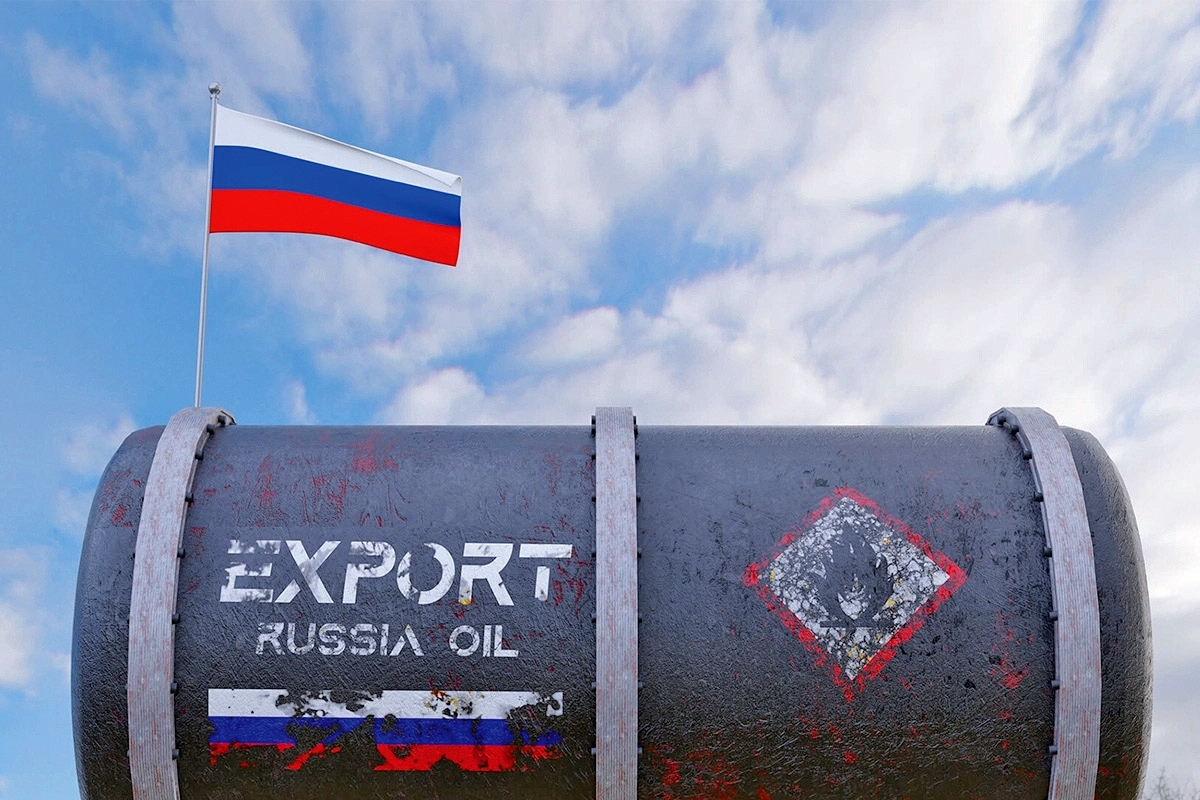
Kuwaiti crude rose locally while global prices fell due to Russian diesel and attack risks on Saudi Arabia, with OPEC adjusting demand forecasts.
Translated by Qiyas from الجريدة — Original source
The price of a barrel of Kuwaiti crude rose by $1.27 to reach $106.95 per barrel in Monday trading, compared to $105.68 in last Friday’s trading, according to the price announced by the Kuwait Petroleum Corporation.
In global markets, oil prices fell this morning, poised to record their first decline in nearly two weeks, as traders assessed supply risks stemming from attacks on Saudi Arabia and the possibility of increased diesel supplies from Russia.
Both benchmarks rose by approximately $2 per barrel in the previous session, with Brent crude touching its highest settlement level since September 15.
US President Donald Trump stated that Russia had agreed to supply diesel to global markets and that his administration had temporarily lifted US sanctions on Russian fuel, which had been imposed to deprive Moscow of any revenue it might use in its war with Ukraine.
These additional supplies could help alleviate shortages in global fuel markets, thereby tempering some of the concerns that have recently supported crude prices.
Analysts at ING Bank wrote in a note, “There is significant doubt regarding a ceasefire in the energy sector between Russia and Ukraine, especially given reports that Russia has targeted Ukrainian energy facilities since Trump’s announcement.”
US lawmakers from both the Republican and Democratic parties commented that Trump’s agreement with Russian counterpart Vladimir Putin appears to violate a US law prohibiting Russian energy imports until Moscow ends its aggression against Ukraine.
Concerns over the fragility of energy infrastructure and shipping routes in the Gulf remain prominent, following Houthi attacks, backed by Iran, on an airport in Riyadh earlier this week, and reports of attacks on tankers near the Strait of Hormuz.
These incidents threaten to disrupt the recovery in Middle East supplies witnessed in September and have heightened fears of further disruptions along one of the world’s most critical energy transport routes.
Tim Waterer, chief market analyst at KCM Trade, said, “New diesel supplies from Russia and stable oil flows from Saudi Arabia provide some relief, but the market still appears more concerned about the risk of further attacks on ships or pipelines in the Gulf than reassured by the additional supplies.”
OPEC Secretary General Haitham Al-Ghais said yesterday that the organization had revised down its forecast for oil demand growth this year to 400,000 barrels per day from 1.4 million barrels per day at the start of the year, amid recent developments.
The Organization of the Petroleum Exporting Countries (OPEC) raised its forecast for global oil demand growth in 2027 today, citing the world’s need to rebuild inventories depleted by the Iran war.
A report on OPEC’s website also showed that the organization lowered its forecast for oil demand growth in 2026, marking the sixth consecutive downward revision.
OPEC also noted a significant increase in oil production by the broader OPEC+ alliance in September, led by Saudi Arabia. The kingdom, the largest producer in the organization, reported pumping 8.372 million barrels per day of crude in September, an increase of over 2 million barrels per day compared to August.
