Putin's proposal to Trump and Iran: 'Halfway' measure in exchange for naval blockade
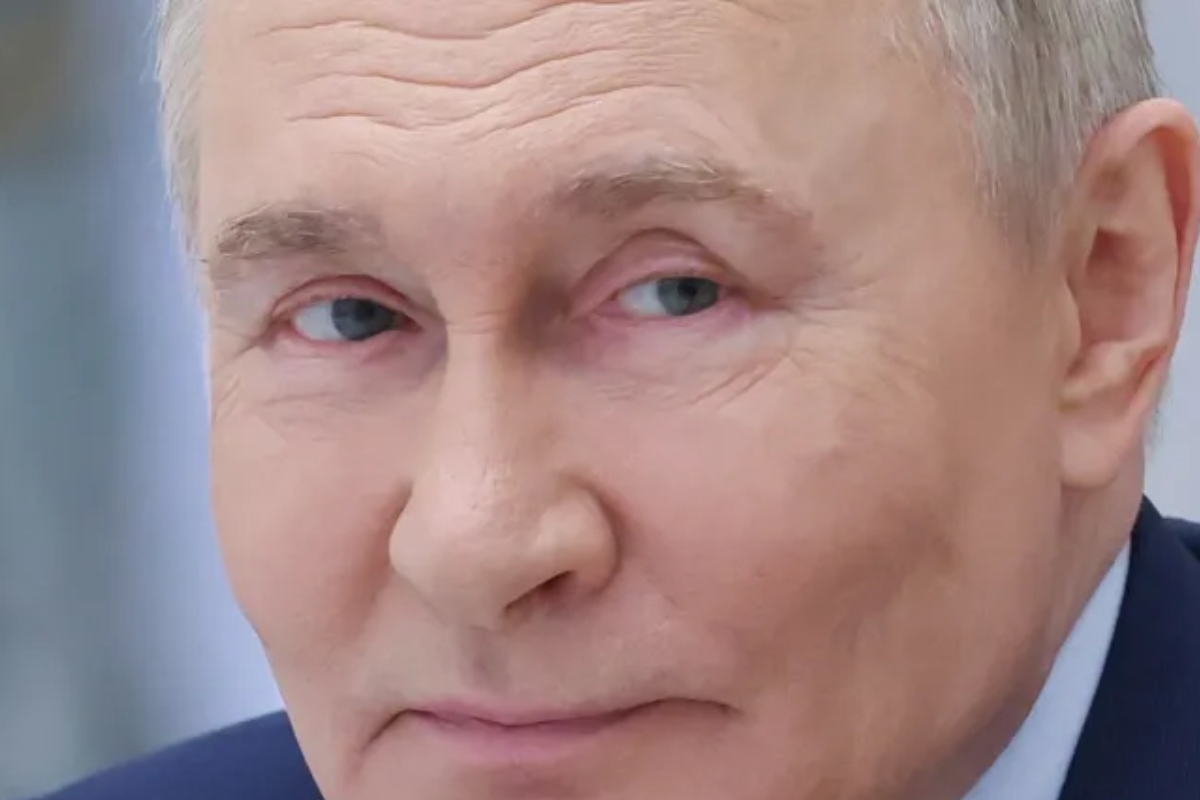
A source close to Iranian President Masoud Pezeshkian revealed some details of a Russian proposal to end the Iranian war to Al-Jarida, outlining President Vladimir Putin's broad lines to his US counterpart Donald Trump during their phone call on Friday.
Translated by Qiyas from الجريدة — Original source
A source close to Iranian President Masoud Pezeshkian revealed to Al-Jarida some details of a Russian proposal to end the Iran war. President Vladimir Putin outlined its broad lines to his American counterpart, Donald Trump, during a phone call between the two last Friday, as part of an effort to create conditions for an agreement that would end the war and link the easing of American pressure on Tehran to understandings on oil and nuclear file issues.
The source said the proposal includes confidence-building preliminary steps, including a notable paradox: the easing of the American blockade on Iranian ports, in exchange for Tehran helping Moscow meet its needs for diesel and other oil derivatives, instead of the quantities Russia intends to supply to the United States under the agreement announced between Trump and Putin. It is worth noting that Russia is facing a shortage of refined derivatives due to ongoing Ukrainian targeting of its oil refineries. The mechanisms for implementing this arrangement or the quantities Iran could provide remain unclear, given the constraints facing its oil trade and the needs of its domestic market.
This arrangement is expected to contribute to lowering prices, a move that could help Trump contain pressures stemming from fuel prices ahead of the midterm congressional elections on November 3 next year, and enhance his political prospects as the electoral milestone approaches.
According to the source, Iran, following the Trump-Putin call, noticed some US naval vessels moving away from its territorial waters, but it remains skeptical about Washington’s readiness to commit to easing military pressure. This skepticism was attributed to the US forces targeting an Iranian commercial ship last Saturday that was attempting to cross the Strait of Hormuz. In contrast, the source confirmed that about 15 other commercial ships, carrying essential goods to Iran, crossed the strait without US harassment.
The source clarified that Putin and Pezeshkian coordinated the outlines of the proposal during their meeting last week in Turkmenistan, and that the Russian president proposed transferring Iran’s highly enriched uranium to Russia, to serve as a prior guarantee for any potential agreement between Iran and the United States, and to give Washington practical confirmation of Tehran’s commitment to its nuclear obligations.
However, a disagreement emerged regarding the timing of this step; Pezeshkian expressed preliminary approval for transferring uranium to Russia or lowering its enrichment rate under the supervision of the International Atomic Energy Agency (IAEA), on condition that this be done after reaching a comprehensive peace agreement that includes lifting sanctions on Iran, not before.
The source quoted Putin as saying that current political conditions offer Pezeshkian an opportunity to reach an agreement with Trump, who needs political achievements as the midterms approach. According to the same account, Putin warned that missing this opportunity might mean waiting for decades before an American president willing to overcome political obstacles for any agreement emerges, noting that repeating the Trump experience may not be readily available soon.
The Russian president, according to the source, stressed that Iran’s insistence on recording a victory over a major power like the United States would only prolong the war and the blockade, and deepen the burdens and risks facing Iran. He urged the Iranian leadership to prepare a proposal that would enable Trump to present the agreement as a political victory domestically, saying that the American president is prepared, under this vision, to grant Pezeshkian an achievement that he can in turn market domestically, in exchange for a peace agreement that ends the disputes between the two countries.
The source confirmed that Bazsikan expressed his readiness to take any step that could achieve peace, security, and stability in Iran, even if it entailed domestic political repercussions, provided it led to an agreement on fair terms that would put an end to the country’s deteriorating economic conditions.
Alongside the diplomatic track, the source revealed that Putin expressed his dismay over Iranian attacks on Gulf Arab states and urged Tehran to halt this policy. However, Bazsikan responded, according to the source, that the Islamic Revolutionary Guard Corps now views targeting neighboring countries as its only available means of deterrence.
