From the stage to the streets: Activist Neha Bora, a new face of youth protests in India
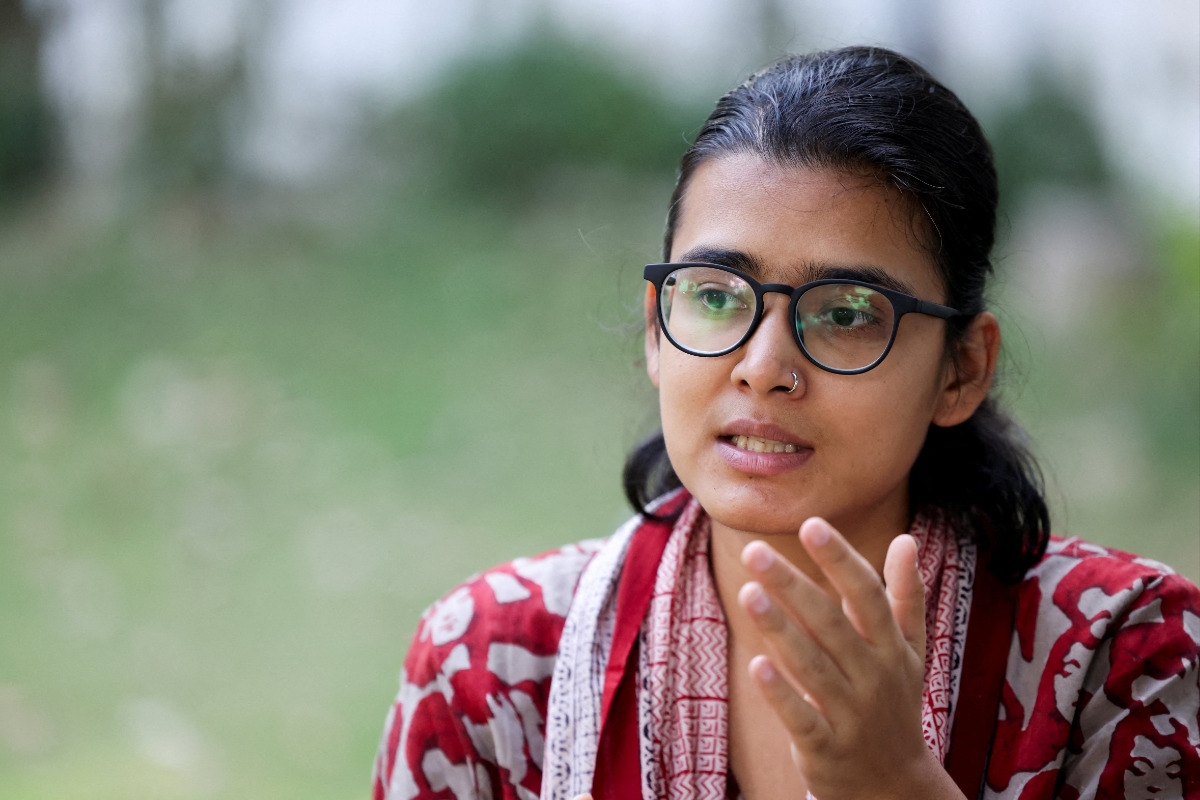
A doctoral student who was not widely known has emerged as one of the most prominent faces of a protest movement in India, posing the most serious challenge to Prime Minister Narendra Modi’s government in years.
Neha Pura, 29, is one of several activists detained by authorities earlier this week as part of a crackdown targeting protests led by the youth-led “Cockroach” movement, which demonstrators say are aimed at exposing widespread electoral fraud to benefit Modi’s ruling Bharatiya Janata Party.
However, Pura, the national president of the All India Students’ Federation (a left-leaning student organization), says she never planned to become an activist. She traces her path to politics through theater, followed by student-led protests against the Citizenship Amendment Law in 2019 and 2020.
Neha Pura is detained during a protest organized by the “Cockroach” party demanding the resignation of the Chief Election Commissioner of India in New Delhi, India, on October 10, 2026. Reuters
Last Saturday, after police prevented protesters from reaching Jantar Mantar, the designated protest site in New Delhi, Pura urged them to regroup at Delhi Haat, a handicrafts market ten kilometers away.
She was detained by police along with several other activists. Yet, even while in custody, she called for the demonstration to continue.
In a video posted online, she said, “I am detained, but the movement is not detained,” and urged supporters arrested by police to protest wherever they were. She was released later that day.
The protests, led by the Cockroach Janata party, seek the removal of the country’s Chief Election Commissioner, alleging that mishandling of voter data led to the deletion of 130 million names from electoral rolls—a number exceeding Japan’s population.
The Election Commission denies any partisan bias, while Modi’s Hindu nationalist party has accused its opponents of attempting to undermine the country’s democracy by falsely questioning the legitimacy of electoral processes.
Though calm in conversation, she speaks forcefully behind a microphone and has built a base of supporters through speeches in Hindi and English, often invoking constitutional rights and linking student grievances to broader issues of inequality and government accountability.
Neha Pura shouts from inside a police vehicle after her detention during protests against the Chief Election Commissioner of India in New Delhi, India, on October 10, 2026. Reuters
Pura grew up in Uttarakhand, a state in the Himalayas, and moved frequently during her childhood due to her father’s military service. She studied at Delhi University before beginning her doctoral studies at the School of Arts and Aesthetics at Jawaharlal Nehru University.
In an interview with Reuters this month, she said that during her undergraduate studies, she joined a theater troupe where she learned to live through the experiences of people very different from herself.
“There may be a character you meet in real life whom you would disagree with and dislike. But acting means understanding the background from which that person comes,” she said.
The turning point for her was the Citizenship Amendment Law, which critics say discriminates against Muslims.
Pura said she watched students of her generation lead their peers from lecture halls into the streets, transforming ideas she had encountered through books, films, and documentaries into real-world political action.
She gained wider attention during the July protests over allegations of exam paper leaks, when she joined other activists in calling for the resignation of the Education Minister. Her speeches at Jantar Mantar, where she criticized the government and the police’s handling of protesters, spread widely online.
Since then, Bora has been a constant presence at demonstrations in the capital. She has been detained repeatedly during protests demanding the resignation of Election Commission Chief Jyoti Kumar, only to return to the streets after her release.
She said that intellectual principles alone do not drive the current mobilization, describing hope as a more potent force.
“Fear is contagious, certainly. But hope is contagious too. People are courageous now because they believe they can be courageous,” she said.
“People remember. People carry this resentment, this sense of betrayal, and this frustration,” she added.
