S&P Maintains Egypt's Credit Rating with Stable Outlook
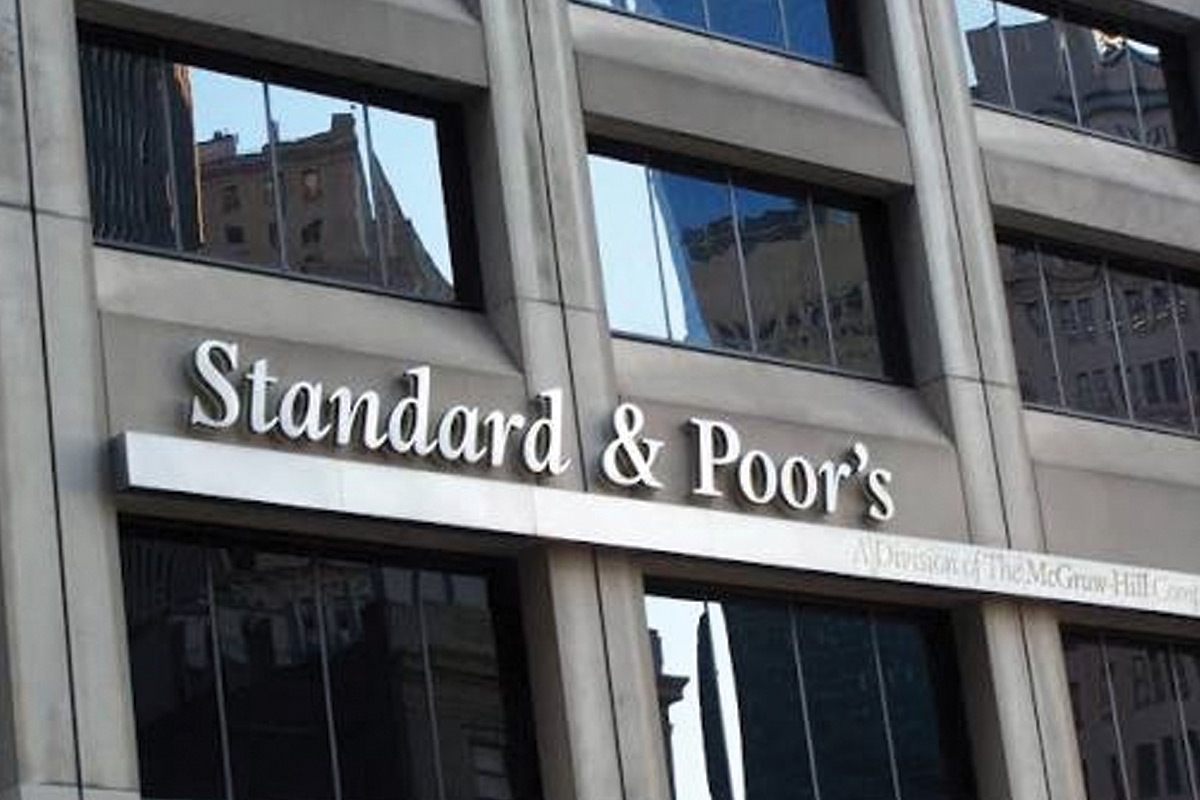
S&P confirms Egypt's sovereign credit rating at B with a stable outlook, citing market stability despite regional risks.
Translated by Qiyas from الجريدة — Original source
Standard & Poor’s Global Ratings affirmed Egypt’s sovereign credit rating at ‘B’ for both foreign and local currency, across long- and short-term horizons, with a stable outlook.
The agency stated that the stable outlook reflects the balance between Egypt’s medium-term economic growth prospects and the continued momentum of reforms, against the backdrop of risks associated with the ongoing conflict in the Middle East.
Standard & Poor’s noted that proactive measures taken by Egyptian authorities helped alleviate immediate pressures stemming from the conflict.
It pointed out that outflows from foreign portfolio investments reached $9.5 billion in the months following the outbreak of war on February 28, 2026, while the Egyptian pound depreciated by up to 15 percent against the US dollar.
The agency added that the swift and comprehensive response contributed to market stability and reversed a significant portion of exchange rate volatility, supported by continued commitment to exchange rate flexibility, energy conservation measures, adjustments to fuel and electricity prices, and the provision of targeted social support.
The agency highlighted that Egypt achieved a primary surplus of 4.9 percent of GDP during the fiscal year 2026, ending on June 30, surpassing targets set by the International Monetary Fund.
It warned that a decline in the government’s commitment to structural reforms, including exchange rate flexibility, or a widening foreign currency shortage, could lead to a downgrade of Egypt’s credit rating.
It also noted that rising interest costs and increased pressure on public finances, or a decline in Egypt’s ability to access external markets due to geopolitical tensions, could trigger a negative action on its rating.
Conversely, Standard & Poor’s clarified that an accelerated improvement in the government’s domestic and external debt situation, or an increase in foreign direct investment, including through the sale of state assets, could support an upgrade of Egypt’s credit rating. Policies aimed at diversifying the economy and opening key sectors to foreign investment could also contribute to improving Egypt’s credit assessment.
Data from Egypt’s Central Agency for Public Mobilization and Statistics showed today that the annual inflation rate for consumer prices in Egyptian cities fell to 13.9 percent in September 2026, down from 14.5 percent in August. The annual inflation rate for the entire republic stood at 12.8 percent in September 2026, compared to 12.7 percent in August, an increase of 0.1 percentage points.
The rise in monthly inflation was driven by price increases in several commodity and service groups, led by vegetables, whose prices rose by 15.1 percent, followed by fruits at 2.6 percent, and meat and poultry at 2.5 percent, alongside increases in clothing, footwear, home maintenance supplies, and health services.
In its meeting last month, the Central Bank of Egypt lowered its inflation expectations compared to its Monetary Policy Committee meeting in August.
The bank stated: “The annual general inflation rate is expected to stabilize in the third quarter of 2026, before gradually declining to reach the target of 7 percent (± 2 percentage points) during the second half of 2027.”
The bank emphasized that the downward adjustment in inflation expectations would strengthen the current monetary conditions, which are sufficiently restrictive, providing additional support for the expected downward trajectory of inflation.
