Al-Shal: 19.1% Decline in Stock Exchange Liquidity Over 9 Months
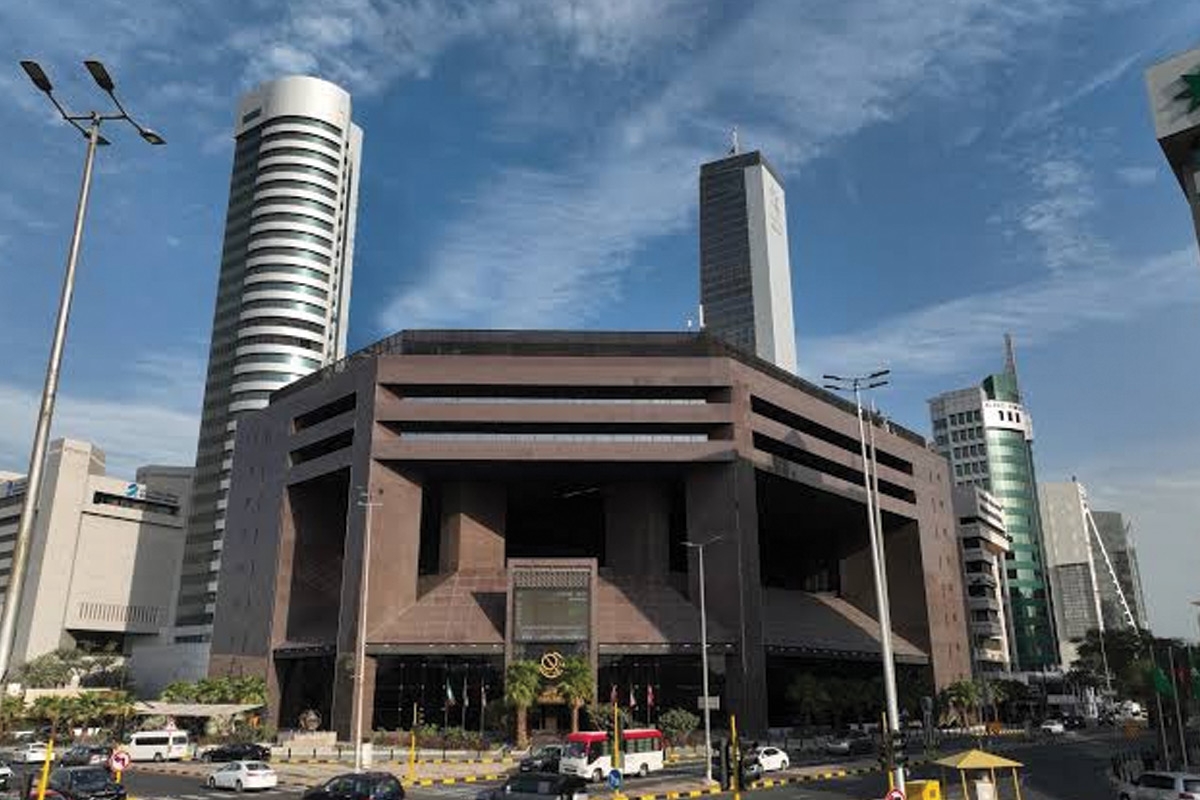
Kuwait Stock Exchange liquidity decreased by 19.1% over 9 months in 2026, with liquidity concentrated in the First Market.
Translated by Qiyas from الجريدة — Original source
The “Ash-Shal” report stated that liquidity on the Kuwait Stock Exchange declined by approximately 19.1% during the first nine months of 2026 compared to the same period in 2025, while it rose by about 79.2% in 2025 compared to its full-year 2024 level.
The Kuwait Stock Exchange General Index lost approximately 1.4% by the end of September 2026 compared to its level at the end of December 2025, after gaining about 21.0% in 2025. The index’s movement during the current year followed the same trend as liquidity, which is logical given the decline in liquidity and its justification by risks associated with geopolitical instability.
The report indicated that many listed companies still suffer from a negative gap, with some experiencing a wide disparity between their market share prices and the book values reflected in their audited and supervised financial statements.
An examination of the margins between stock market prices and book values, based on financial data published for the first half of 2026 and closing prices at the end of September (i.e., the end of the third quarter of 2026), shows that 40 listed companies, or about 28.8% of the total listed companies, have market share prices more than double their book value. Additionally, about 68 other companies, or roughly 48.9% of listed companies, have market share prices exceeding their book value by between 1% and 99%. Thus, 108 companies, or approximately 77.7% of listed companies, have market share prices higher than their book value.
The report added that the remaining companies, or about 22.3% (31 companies), are trading at a discount to their book value. Among them, 21 companies, or about 15.1% of listed companies, are trading at a discount ranging from 1% to 29%, while 9 other companies, or about 6.5% of listed companies, are trading at a discount ranging from 30% to 49%. One company suffers what can be considered a massive gap between its book value and market price, with a discount exceeding 50%. The number of companies trading below their book value was higher at the end of 2025, reaching 40 companies, or about 28.8% of listed companies at that time. This gap may have narrowed somewhat as some investors favored cheaper stocks in hopes of profiting from potential price increases under better geopolitical conditions.
The report emphasized that the significant divergence in liquidity between the two markets and among companies within each market may be a contributing factor. Liquidity in the first nine months of 2026 shifted by 63.9% to the First Market, increasing its concentration share after it accounted for about 56.4% of total liquidity in all of 2025. Even within that market, half of its companies captured 75.6% of its liquidity, leaving only 24.4% for the other half. Overall, half of the companies in both markets (the First and Main markets) accounted for about 91.9% of the exchange’s liquidity, while the other half received only 8.1%. Consequently, the surplus liquidity of some small companies had a dominant effect on the positive gap between their prices and book values, whereas the scarcity of liquidity for some other companies maintained the gap, albeit slightly narrowed, in favor of prices below their book values.
