Hurricane 'Idalia' Strikes the US Coast, Cutting Power to Hundreds of Thousands
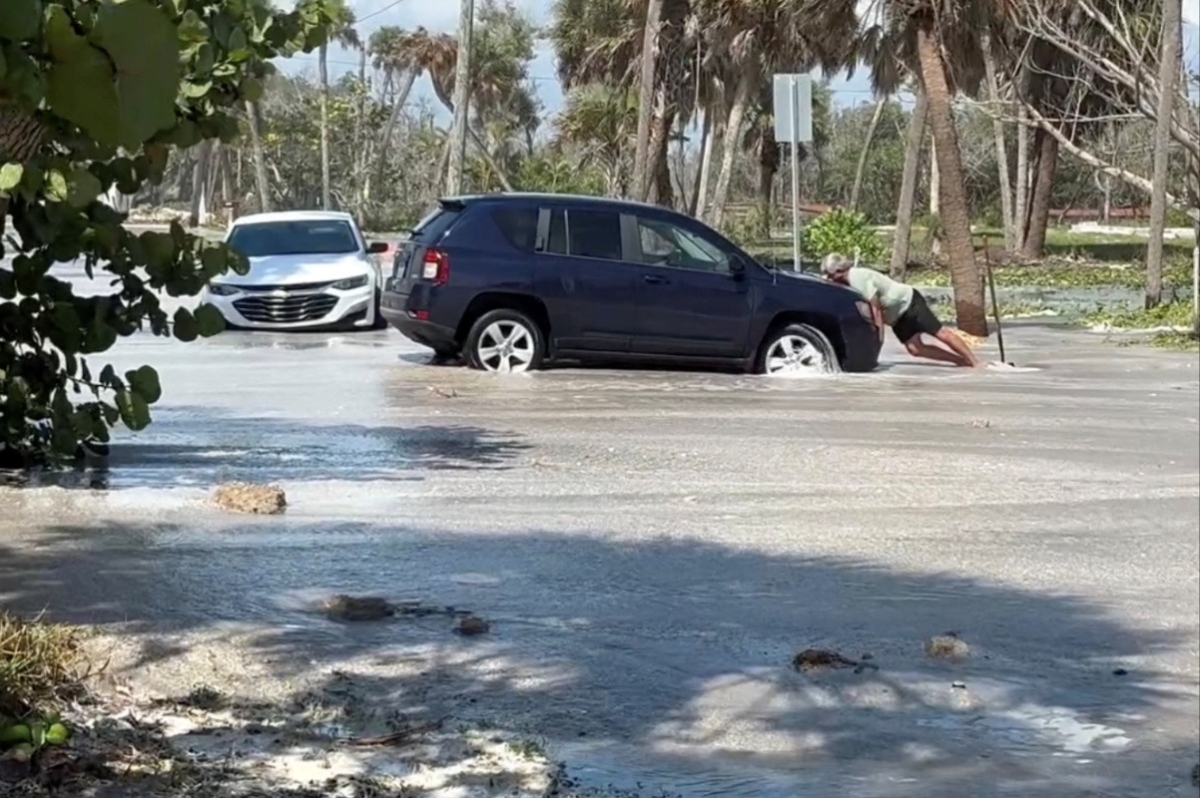
An exceptional hurricane hits Florida, Alabama, and Georgia, causing power outages for hundreds of thousands and prompting energy companies to evacuate.
Translated by Qiyas from الجريدة — Original source
This region is witnessing the first hurricane of the 2026 Atlantic hurricane season, an exceptionally late arrival that ties a record unseen worldwide for more than a century.
The National Hurricane Center in Miami announced that the hurricane’s eye made landfall near the city of Destin in Florida, with maximum sustained winds reaching 169 kilometers per hour before slightly weakening as it moved inland.
At an emergency press conference on storm preparedness, Florida Governor Ron DeSantis issued a stern appeal to residents, stating, “The storm is already here… prepare well and do not go out onto the roads,” emphasizing that storm surge and flash flooding pose the greatest threat to lives across the region.
The rapidly approaching hurricane prompted authorities in Florida, Alabama, and Georgia to declare states of emergency, with mandatory evacuation orders issued for coastal and low-lying areas. The U.S. administration also activated federal protective measures to coordinate relief efforts and manage damages.
President Donald Trump stated late Friday night that White House officials are closely monitoring the hurricane’s developments.
U.S. Secretary of Homeland Security Marquain Mullen said, “The emergency declaration in Florida and Alabama has been approved to ensure federal resources are available to respond to Hurricane Isaiah.”
Mullen added on the platform X that federal authorities are coordinating response efforts with state governments and local authorities, and urged all individuals in the hurricane’s path to play their part and remain on high alert.
Alabama Governor Kay Ivey called on all visitors and tourists to evacuate coastal areas immediately. Highways experienced severe congestion before traffic came to a complete halt as safe evacuation windows closed and winds intensified.
The formation of Hurricane Isaiah is an exceptional event in climate records, marking the first hurricane to develop in the Atlantic season more than four months after its official start in June, tying a record dating back to 1905 for the latest-forming hurricane in 121 years.
Meteorologists attribute this unusual delay in hurricane activity to the El Niño climate phenomenon observed in the Pacific Ocean this year. This phenomenon caused sharp changes in wind patterns and sea surface temperatures across the Atlantic, unusually suppressing the formation and intensification of tropical storms.
The hurricane caused widespread damage, cutting power to more than 697,000 homes and businesses in Florida, Alabama, and Georgia. Weather stations recorded wind gusts exceeding 180 kilometers per hour in some coastal areas.
According to PowerOutage.us, nearly 380,000 people in Florida and over 210,000 in Alabama were left without electricity as the hurricane made landfall.
The storm’s impacts extended beyond residential areas, striking the vital energy sector in the Gulf of Mexico. The Bureau of Ocean Energy Management announced the suspension of approximately 63% of oil production (equivalent to removing 1.3 million barrels per day from the market) and 57% of natural gas production, following the evacuation of workers from offshore platforms and drilling rigs by major companies such as Shell and Chevron.
As the hurricane continues its northward movement toward Atlanta and the Tennessee Valley, weather centers warn of the ongoing risks of flash flooding, the formation of secondary tornadoes, and rising coastal waters that could reach up to 9 feet from the Alabama-Florida border to Grandison Beach, urging residents to remain in shelters and safe areas until the storm has completely subsided.
