Palestinian Push for National Dialogue and Postponement of Elections
Palestinian agreement to postpone elections in favor of a national dialogue, and Israel's announcement to close the British Consulate in Jerusalem
Translated by Qiyas from الجريدة — Original source
Agence France-Presse quoted a well-informed Palestinian source as saying that four Palestinian factions, led by Fatah and Hamas, agreed during meetings in Cairo in recent days to postpone the legislative elections scheduled for next month and to hold a new national dialogue.
The last legislative elections in the Palestinian territories were held in 2006, with Hamas winning over Fatah, which had previously been dominant, leading to intensified disputes between the two movements. As a result, the Palestinian Legislative Council has not convened since 2007.
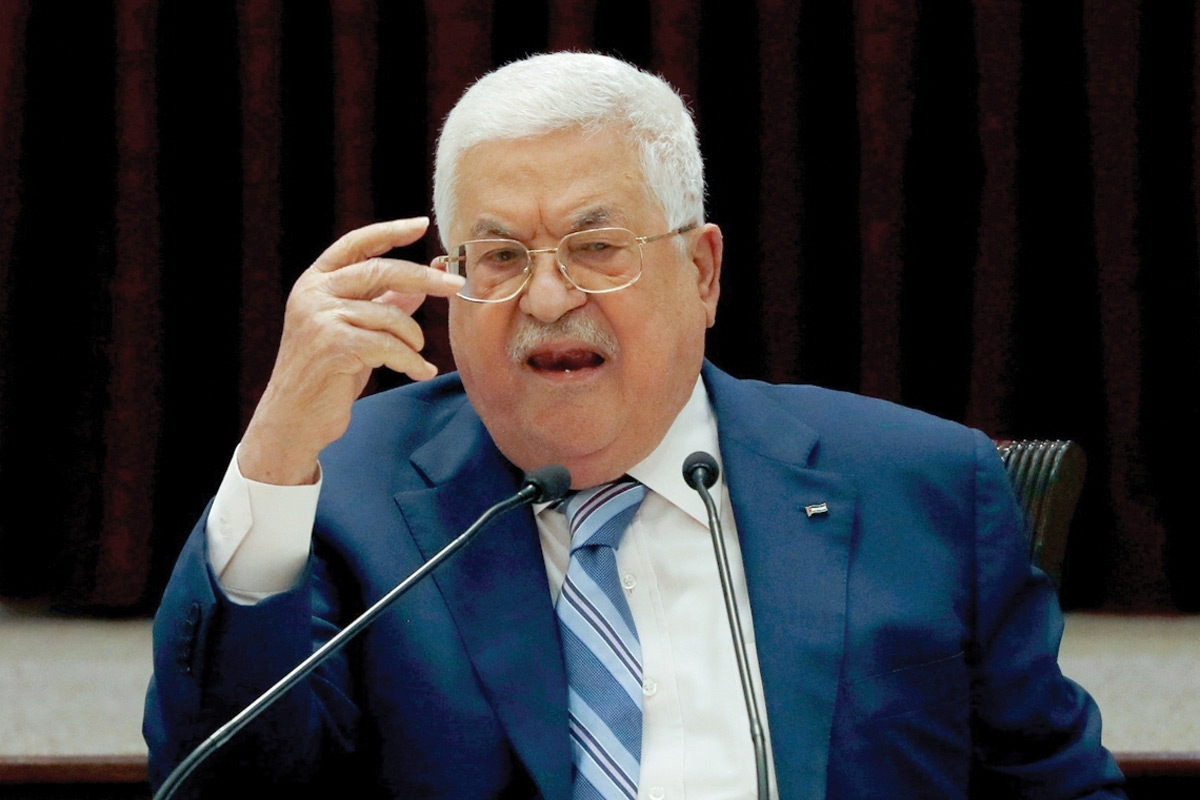
Last July, Palestinian President Mahmoud Abbas (90) issued a presidential decree setting Saturday, November 28, as the date for the legislative elections.
In April, Palestinians went to the polls to elect municipal council heads in the occupied West Bank, marking the first electoral process since the outbreak of the war in Gaza in October 2023.
The legislative elections face significant procedural challenges stemming from Israeli measures in the Gaza Strip, as well as in East Jerusalem and the West Bank, which Israel has occupied since 1967.
Holding elections is part of the reforms demanded by the international community, including the European Union, which provides financial support to the Ramallah-based Palestinian Authority.
For his part, Jibril Rajoub, secretary-general of the Executive Committee of Fatah and head of the Fatah delegation for national dialogue, said, “During the coming week, there will be dialogue that will continue and evolve into a comprehensive national dialogue to reach common ground on the political issue concerning the full sovereignty of the Palestinian state over the territories occupied in 1967.”
Rajoub stated that the upcoming meetings aim to achieve “a unified concept of the future state’s structure, ensuring political pluralism while maintaining a single authority, one law, one army, and one police force.”
He added that “an agreement was reached during the meeting with the factions that elections are the strategic choice for everyone to build a political system and establish a political and national partnership.”
Since the Palestinian split following events in the Gaza Strip in June 2007, dozens of exploratory and consultative rounds and meetings have been held between Fatah and Hamas, including at least nine official dialogues culminating in the signing of agreements or official declarations under regional and international sponsorship. However, none of them have resulted in any change on the ground.
Meanwhile, Israeli Foreign Minister Gideon Sa’ar announced today that the British Consulate in East Jerusalem has ceased operations by order of Tel Aviv, and that the Consul General and 19 diplomats will leave the country, noting that this comes as part of “countermeasures” in response to British actions against Israel, referring to London’s imposition of sanctions targeting Israeli settlements in the occupied West Bank and restrictions on defense exports.
The consulate is located in occupied East Jerusalem and serves as the main British diplomatic mission to the Palestinians.
Sa’ar added that the building, which remains owned by the British government, will no longer function as a consulate, while the remaining diplomats will continue their work under limited mandates.
He further stated that following talks between the two governments, Israel agreed to allow seven British diplomats to continue working from the building, which will no longer operate as a consulate.
