Oil Jumps Amid Ongoing Middle East Supply Concerns
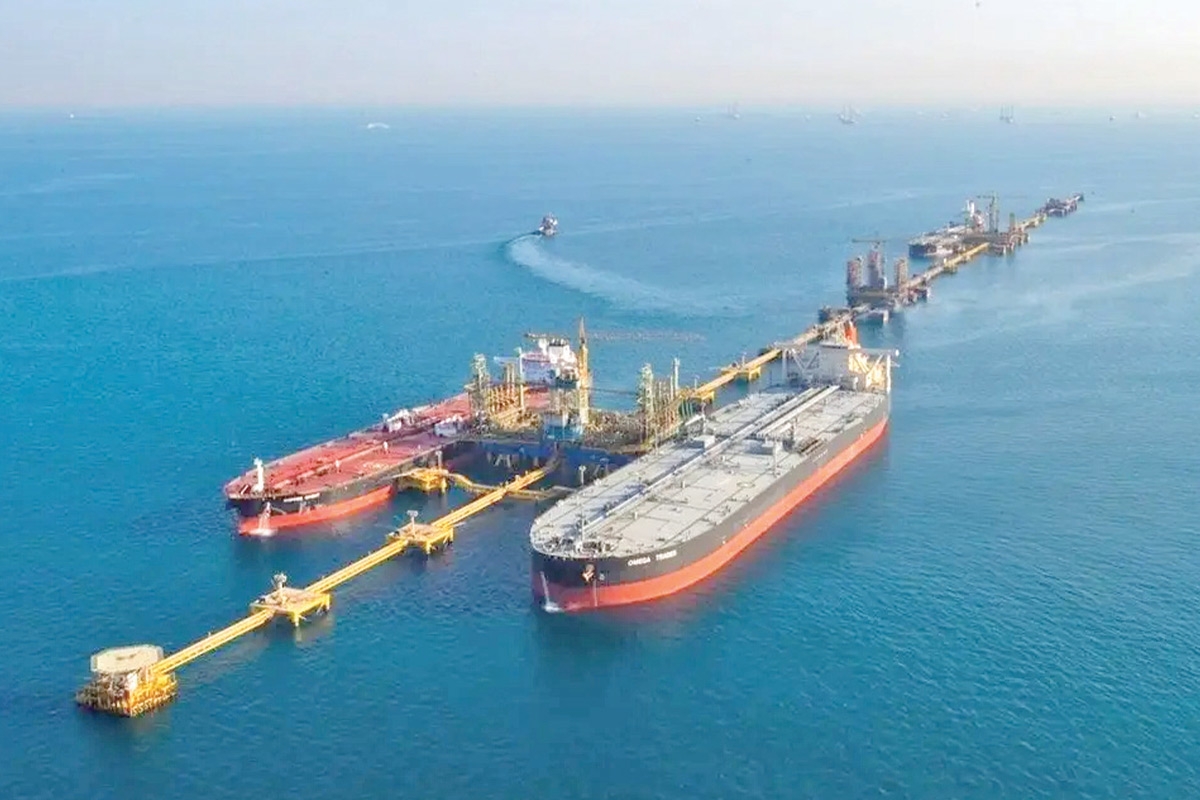
Oil prices rose by more than 5 percent today amid ongoing concerns about supplies from the Middle East, as attacks on ships in the Gulf and the Strait of Hormuz intensified, while the United States cut production as a storm threatened offshore operations.
Brent crude futures rose by $5, or 4.99 percent, to $105.20 per barrel, marking their highest level since September 29. West Texas Intermediate (WTI) crude futures gained $4.47, or 5.06 percent, to $92.75 per barrel, reaching their highest level since October 2.
The price of a barrel of Kuwaiti crude rose by 41 cents to $103.21 in yesterday’s trading, compared to $102.80 on Tuesday, according to the Kuwait Petroleum Corporation.
Chris Bushamp, chief market analyst at IG Group, said that the anticipated storm in the United States, along with a report published by Axios indicating that Washington is preparing to resume large-scale combat operations against Iran, kept prices above the $100 per barrel mark.
He added, “The United States may be trying to intensify pressure to push Iran to the negotiating table, but we cannot rule out the possibility of a new round of strikes. It is clear that investors are unwilling to take risks.”
Reuters was unable to independently verify the Axios report.
Meanwhile, a U.S. official and a Syrian official, both familiar with the matter, stated that Syria is considering providing military support to Saudi Arabia amid its escalating conflict with Iran-aligned Houthis in Yemen. Sources indicated that options under consideration include defensive assistance or deploying forces on an offensive mission to aid Saudi-backed Yemeni troops.
Supply disruptions continued, and prices stabilized at Wednesday’s settlement after the International Energy Agency approved accelerating the drawdown from oil reserves and prioritizing diesel supplies, as governments sought to address the record fuel price crisis and supply disruptions resulting from the Iran war.
Threats targeting oil shipments in the Gulf and the Strait of Hormuz, through which cargo equivalent to about 20 percent of global oil and fuel supplies passed before the war, increased in October as the U.S.-Israeli conflict with Iran entered its eighth month, driving prices higher.
Attacks on oil tankers passing through the Strait of Hormuz reached their highest level since the start of the Iran war, coinciding with increased exports from Gulf-producing nations.
Shaul Kavonitch, head of energy at MSCI Markit, said, “The pace of Iranian attacks on ships has now reached its highest level since the war began and is likely to escalate further.”
Oil prices also rose due to reduced supplies as a storm approached offshore production areas in the United States, the world’s largest oil producer, prompting companies to shut down their platforms.
The Bureau of Ocean Energy Management stated that, overall, U.S. oil and gas producers in the Gulf of Mexico had halted approximately 25.08 percent of current oil production and 16.37 percent of current natural gas production by Wednesday due to the storm.
U.S. inventory data, which also represents the world’s largest oil consumer, supported prices after crude oil inventories fell more than expected, while diesel inventories saw a slight decline.
ADNOC stated in late July that, effective November 1, it would shift from its current pricing mechanism based on the Abu Dhabi Global Market (ADGM) futures exchange, using a Brent futures contract that sets the crude oil price two months prior to loading, to a monthly pricing mechanism based on the Platts Dubai benchmark, along with a price differential announced by the company in the month preceding the target delivery month.
