Reuters: Hezbollah Receives $200 Million from Iran
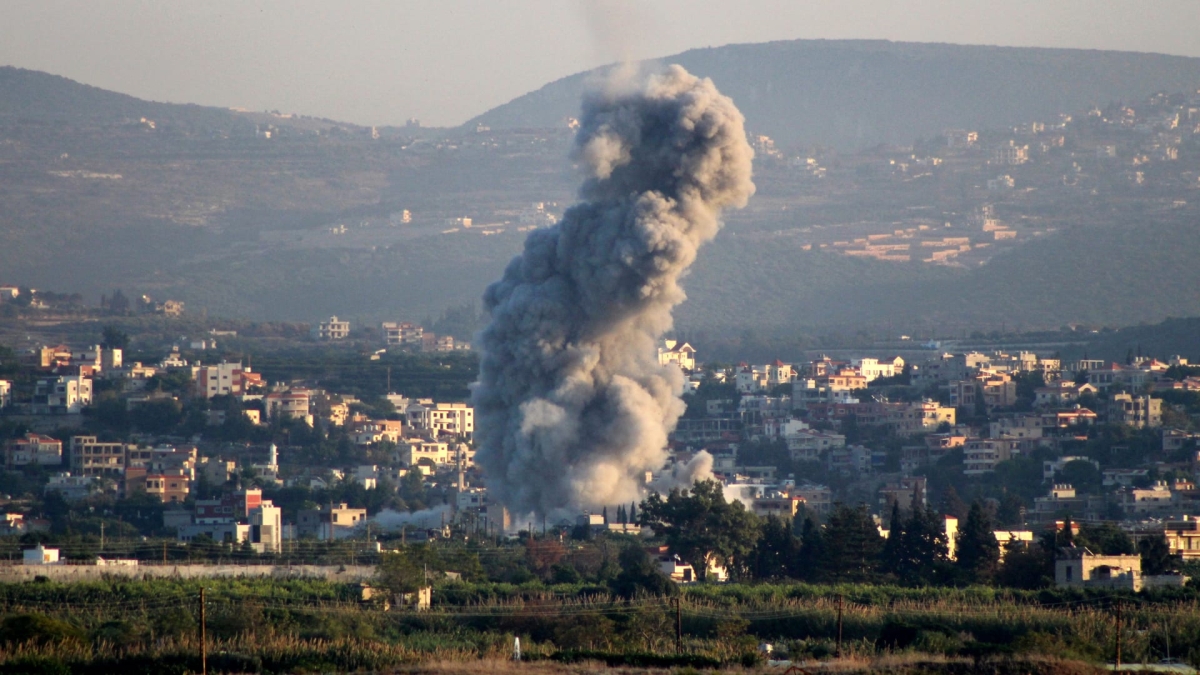
Insiders confirm the arrival of $200 million from Iran to Hezbollah to support Lebanese displaced persons, amid high transfer commissions and difficulties in financial channels.
Translated by Qiyas from الجريدة — Original source
Two informed sources said that Iran-backed Lebanese Hezbollah received $200 million from Tehran to assist Lebanese displaced by the war with Israel this year, marking the first major aid provided by the group to its supporters who bore the brunt of the conflict.
Middlemen who facilitated the transfers said they took a 20 percent commission, reflecting the risks of dealing with the group. One of them said this commission was four times the usual rate.
A Hezbollah official, responding to a request for comment, said that a sum of money had been secured and a distribution plan would be announced in the coming days, without elaborating on the source of the funds.
Israel’s bombing and invasion of Lebanon led to the displacement of hundreds of thousands of Hezbollah’s Shia supporters after the group entered the regional conflict in support of Iran on March 2.
The displaced had received little aid, with some getting no support at all from the armed group founded by Iran’s Revolutionary Guard Corps in 1982, which has suffered heavy losses from Israel in two wars since 2024 and is designated by Washington as a terrorist organization.
Sources said Hezbollah would use the funds to provide an initial payment of $3,000 per family, prioritizing those whose villages were destroyed or isolated due to the Israeli occupation. One source said the number of such families was around 50,000.
Iran has continued its financial support for Hezbollah throughout years of harsh U.S. sanctions. The U.S. Treasury Department noted that it transferred $1 billion to the group in the first ten months of 2025.
Tehran has never acknowledged funding Hezbollah. Iran’s policy of financing regional proxies has previously sparked anger among local protesters against clerical rulers, and this policy could become highly sensitive given the worsening difficult conditions in Iran.
Reuters sources had previously reported that Iran promised Hezbollah additional funding after Tehran signed a temporary deal with Washington in June, which allowed Iran to sell its oil. This agreement collapsed in July.
Since then, Washington has intensified economic pressure on Iran, tightening sanctions and imposing a naval blockade to prevent Iranian oil exports.
Naim Qassem, Hezbollah’s secretary-general, said in a speech last month that the group would soon contribute to a project aimed at housing thousands of war-displaced people, using “available resources and donations,” without providing details.
Hezbollah’s ability to fund local services and provide aid after conflicts has historically bolstered its support. After the 2006 war with Israel, the group quickly provided substantial cash assistance to those affected and helped rebuild Beirut’s southern suburb, its stronghold.
However, there are no significant signs of reconstruction this time. Lebanese Prime Minister Nawaf Salam said last month that the total cost of reconstruction resulting from the two wars since 2024 could exceed $27 billion.
One source said Hezbollah is facing increasing difficulty in transferring funds through financial companies that previously handled such transfers. The source added that these companies, based in Iraq and Dubai, are no longer an option, and are also facing pressure in Turkey.
The source added that Hezbollah’s opponents believe money is the group’s “lifeline” at present, noting that despite the difficulty in securing funding, the group has not stopped paying salaries to its fighters and the families of those killed in battles.
The war has inflicted heavy losses on Lebanon’s Shia community, which provides Hezbollah with its base of support. Israel has leveled villages across vast areas of territory it has seized in the south, stating that its aim is to protect northern Israel from Hezbollah attacks.
Data from Lebanon’s Ministry of Health indicate that Israeli attacks in Lebanon have killed more than 4,300 people since March 2. The ministry did not specify the number of combatants killed. Hezbollah has not released figures on its own casualties in the war, although Reuters reported on May 4 that thousands of its fighters had been killed.
