Al-Masarif Hosts Gulf-Asia Forum in Bangkok
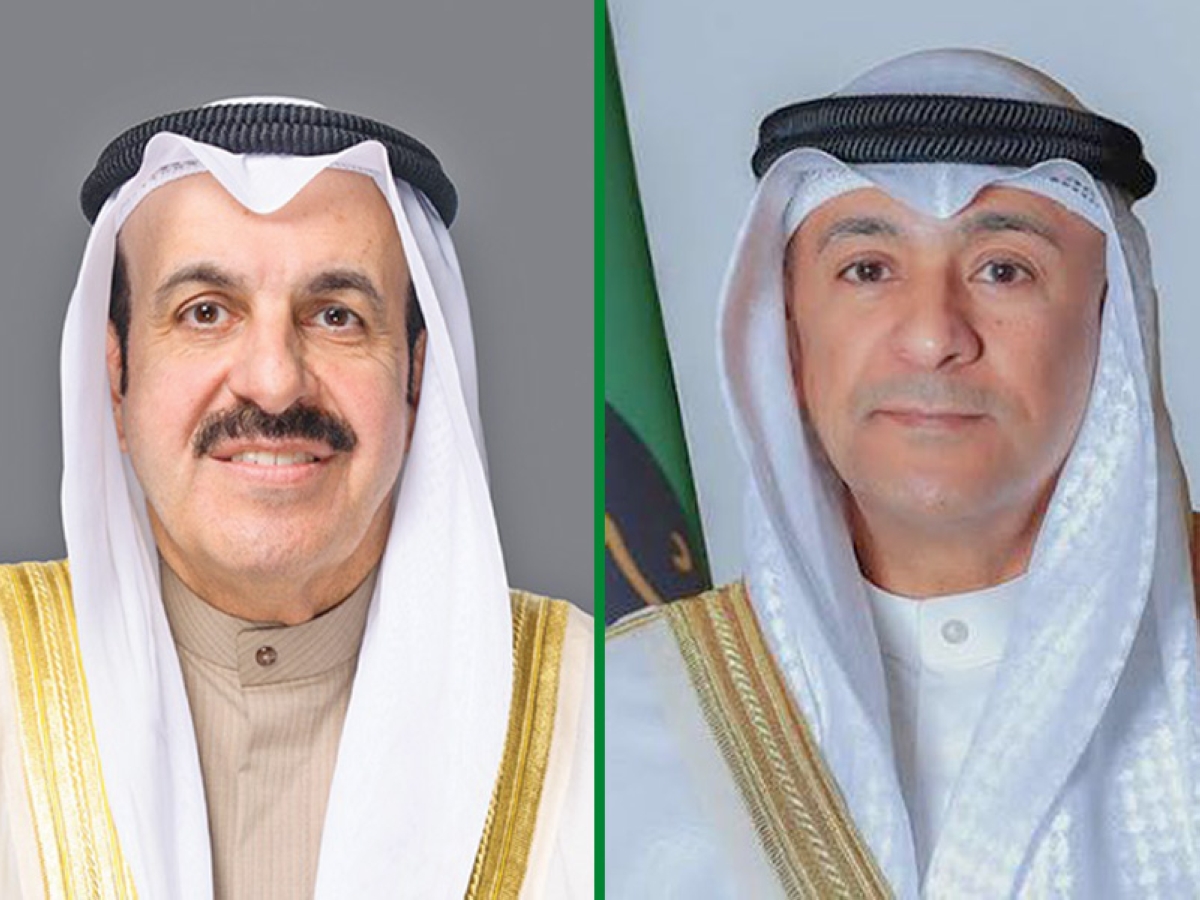
The forum brings together banking and government leaders from the Gulf and Asia to discuss financial and investment cooperation and digital infrastructure.
Translated by Qiyas from الجريدة — Original source
The Kuwait Banks Association announced it will host the Asian-Gulf Economic Forum: Banking, Investment, and Digital Infrastructure, on the 14th of this month, at the United Nations Conference Centre in Bangkok, on the sidelines of the annual meetings of the International Monetary Fund and the World Bank Group.
The forum is organized with the support of the Embassy of the State of Kuwait in the Kingdom of Thailand, in partnership with the Asian Bankers Association, The Business Year Foundation, and the Kuwait Business Council in Dubai and the Northern Emirates.
The forum brings together a distinguished group of senior government officials, central bank governors, board chairmen, and executive leaders from banking, investment, and technology institutions from the Gulf Cooperation Council (GCC) countries and Asia, with the aim of strengthening economic, financial, and investment ties between the two regions and consolidating mutual cooperation.
The forum features high-level participation, including keynote speeches by Jassim Mohammed Al-Badawi, Secretary-General of the Gulf Cooperation Council Council; Dr. Yaqoob Sayed Yousef Al-Rafai, Minister of Finance; Hamad Abdulmohsen Al-Marzouq, Chairman of the Board of Directors of the Kuwait Banks Association and Chairman of the Board of Directors of Kuwait Finance House; and Bassel Ahmed Al-Haroun, Governor of the Central Bank of Kuwait. Additionally, Youssef Abdullah Al-Yousef, Chairman of the Board of Directors of the Bahrain Bourse, will participate in one of the forum’s dialogue sessions.
The forum’s work revolves around three main strategic pillars aimed at enhancing financial and investment cooperation between the Gulf and Asia, and transforming shared opportunities into practical partnerships and projects that contribute to supporting sustainable economic growth in both regions.
The first pillar discusses ways to strengthen direct cooperation between Gulf and Asian banks, through enhancing cross-border financing, joint loans, conventional financing, and Sharia-compliant financing, alongside developing liquidity management solutions and collaborating in treasury activities, thereby supporting trade and investment flows between the two sides.
The second pillar focuses on cross-border investment and enhancing capital flows, including project and infrastructure financing, investments in credit and private equity, co-investment platforms, and sukuk issuances, contributing to expanding the horizons of investment partnerships between Gulf and Asian institutions.
The third pillar addresses the future of digital infrastructure for financial services and artificial intelligence applications, including enhancing connectivity between cross-border payment systems, digital identity, data governance, cybersecurity, and interoperability among financial systems, thereby supporting the development of a more efficient, innovative, and interconnected financial ecosystem at the regional and international levels.
Prominent banking and investment leaders from the Gulf countries will participate in the forum’s sessions, including Khaled Al-Shamlan, Chief Executive Officer of Kuwait Finance House Group; Abdul Latif Al-Saif, Chairman of the Board of Directors of the Saudi Investment Bank; Ali Khalil, Chief Executive Officer of Kuwait Financial Centre (Markaz); and Richard Paul, Chief Executive Officer of Beyon Connect, a subsidiary of the Beyon Group in the Kingdom of Bahrain.
On the Asian side, participants include Chartseri Sophonpanich, President and Director at Bangkok Bank; Wilson Chang Yiming, Managing Director and Chairman of the Global Equities Investment Committee at China International Capital Corporation (CICC); Wachara Wongsubasawat, Managing Director of Kasikorn Asset Management; Jason Tsao, Chief Executive Officer of Huawei’s Digital Financial Business Unit; and Sagit Vijaykumar, Chief Executive Officer of Infosys Finacle.
Al-Bidawi stated that the strategic and historic partnership with Asian countries is a cornerstone of the Gulf Cooperation Council (GCC) states’ strategy to diversify their economies, enhance competitiveness, and expand economic and investment partnerships internationally. He noted that this forum serves as an important platform bringing together decision-makers and financial and banking leaders, thereby helping to translate shared opportunities and potential into practical and sustainable partnerships in the fields of financing, investment, infrastructure, and technology.
He added that developing sustainable economic and financial corridors between the GCC states and Asian countries requires strengthening institutional coordination, facilitating trade and capital flows, supporting joint investments, and building a more integrated and efficient financial and digital system. This would open new horizons for cooperation, enhance mutual interests, and support pathways for joint development, growth, and prosperity for both sides.
The Secretary-General concluded his statement by emphasizing that the GCC states’ focus on concluding several free trade agreements with various Asian countries is another indication underscoring this important strategy, which will provide numerous commercial, economic, and investment opportunities for both sides.
The Minister of Finance affirmed that the convening of the Gulf-Asian Economic Forum in Bangkok reflects Kuwait’s commitment to strengthening its economic and financial partnerships with Asian countries and opening new horizons for trade, investment, and capital flows between the two sides. He added that the coming phase requires developing innovative financing tools and expanding cooperation in capital markets, sukuk, project financing, and infrastructure, thereby supporting economic diversification plans and sustainable development. He pointed out that the forum provides an important platform bringing together governments, financial institutions, and investors, contributing to transforming shared opportunities into practical projects and partnerships that serve mutual interests and support long-term sustainable growth and prosperity for both regions.
Dr. Meshal Al-Mansour, Kuwait’s Ambassador to the Kingdom of Thailand, also affirmed that, on the occasion of the upcoming meetings of the World Bank Group and the International Monetary Fund scheduled to take place in Bangkok from October 12 to 16, 2026, the Kingdom of Thailand’s hosting of this international event embodies the pivotal and growing role of Asian countries as a key driver of global economic growth, amid the challenges facing the global economy that necessitate enhanced cooperation and integration within the international community.
On the sidelines of the aforementioned meetings, the Gulf-Asia Economic Forum is scheduled to be held on October 14, 2026, in Bangkok, under the patronage of the Kuwait Ministry of Finance, the Embassy of the State of Kuwait in the Kingdom of Thailand, and the General Secretariat of the Gulf Cooperation Council (GCC). This event represents an exceptional opportunity to enhance cooperation and dialogue between business communities and financial and investment institutions, and to explore new opportunities, particularly in the fields of financing, technology, infrastructure, and sustainable investment. “We look forward to the forum’s proceedings and outcomes contributing to opening new horizons for economic and investment cooperation between the GCC countries and Asian nations, strengthening existing partnerships, and exploring new opportunities that serve common interests and support the path of development and prosperity for both sides.”
In the same context, Hamad Abdulmohsin Al-Marzouq, Chairman of the Board of Directors of the Kuwait Banks Association and Chairman of the Board of Directors of Kuwait Finance House, affirmed that the convening of the Gulf-Asia Economic Forum in Bangkok reflects the Kuwaiti banking sector’s commitment to enhancing its international presence and expanding its strategic partnerships, thereby contributing to linking the financial and investment capabilities of the GCC countries with the promising opportunities offered by Asian markets.
Al-Marzouq stated: “Economic relations between the GCC countries and Asia possess significant potential for growth and expansion, supported by strong trade and investment ties and growing shared interests. We look forward to the forum’s discussions yielding practical initiatives in the fields of financing, investment, capital markets, and digital financial services, thereby enhancing economic connectivity and opening new horizons for shared growth and prosperity between the two sides.”
He added that the Kuwaiti banking sector possesses strong fundamentals that qualify it to play a pivotal role in this trajectory, given its financial stability, solid capital base, and advanced expertise in both Islamic and conventional financing, as well as its operation within a sophisticated regulatory framework led by the Central Bank of Kuwait. This enhances its standing as a trusted partner for Asian financial and investment institutions.
For her part, Sheikhah Al-Eissa, Secretary General of the Kuwait Banks Association, affirmed that the Gulf-Asia Economic Forum embodies the Association’s vision of building sustainable bridges of cooperation between financial and investment institutions in the GCC countries and Asia, by providing a high-level platform that brings together decision-makers, business leaders, and experts from various relevant sectors.
Al-Eissa stated: “We ensured that the forum represents more than just a venue for dialogue and idea exchange, but rather a practical platform that enhances direct communication between institutions and enables the exploration of cooperation opportunities and strategic partnerships. We also ensured that its themes reflect the current priorities of the financial and investment sectors, thereby contributing to strengthening economic and financial relations between the Gulf and Asia.”
She clarified that over the past months, the Association has been in communication and coordination with a number of institutions and official and banking entities in Asian countries to attract high-quality participation that reflects the economic and financial weight of both regions, and to provide valuable opportunities for bilateral meetings and the building of long-term institutional relationships.
It is worth noting that on the sidelines of the annual meetings of the International Monetary Fund and the World Bank Group, the Kuwait Banks Association is hosting the Kuwaiti Banks Reception on the evening of the 16th at the Capella Bangkok hotel, attended by senior officials, banking and investment leaders, and participating delegations, providing an additional platform to strengthen professional ties and explore bilateral cooperation opportunities.
