Oil Turns Higher on Increased Exports and Drawdowns
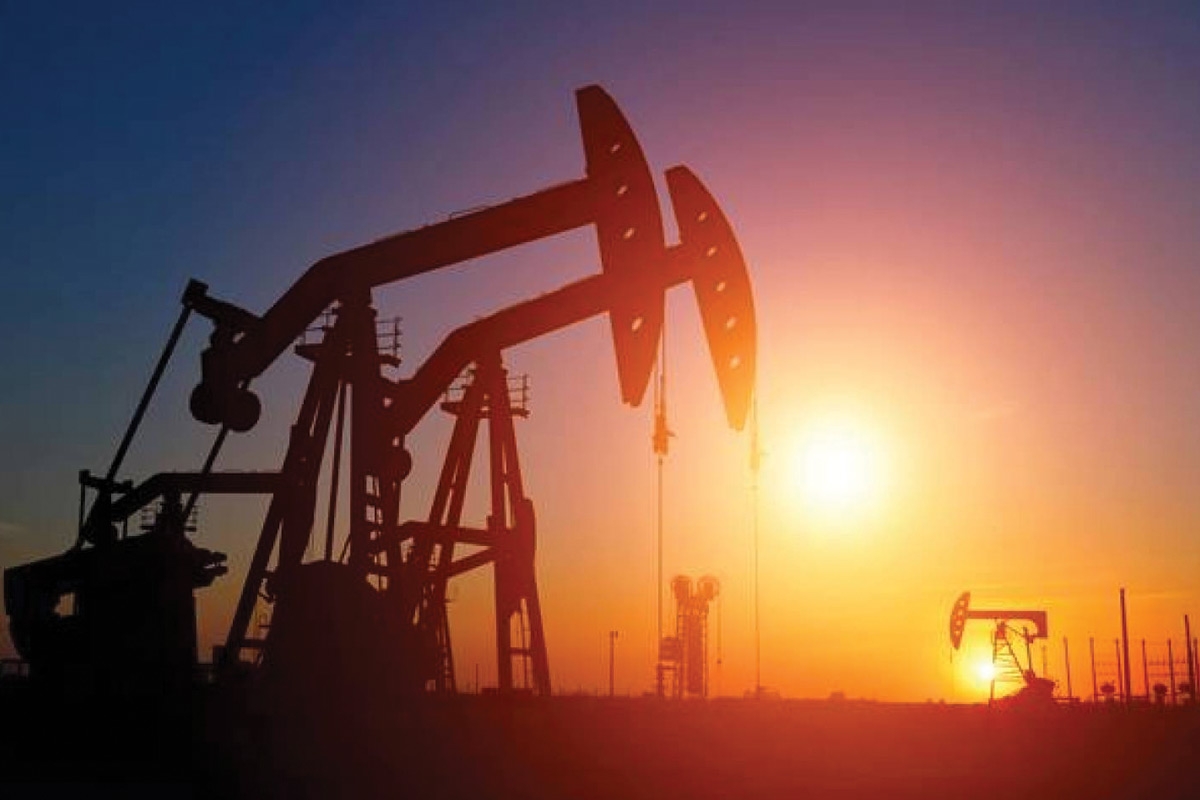
Oil prices rose, supported by exports and inventory drawdowns, despite war-related concerns.
Translated by Qiyas from الجريدة — Original source
Oil prices rose amid volatile trading today, following increased crude exports from the Middle East and a G7 pledge to boost supplies, though selling activity remained limited due to ongoing concerns about potential disruptions linked to the US-Israeli war on Iran.
Brent crude futures rose 16 cents to $102.41 per barrel, while US West Texas Intermediate crude fell 90 cents, or about 1 percent, to $90.21 per barrel. Both contracts had previously declined by more than 1 percent earlier in the session.
Ole Hansen, an analyst at Saxo Bank, said Brent crude was supported by renewed strength in fuel product prices, noting that the G7’s plan to draw down crude and diesel inventories over the next four months provides only short-term support and does not address the structural constraints facing refined fuel product markets.
Gas oil futures on the Intercontinental Exchange rose more than 2 percent to $1,391 per metric ton. Becca Picton, CEO of BP, said at the Energy Intelligence London conference today that the company had adjusted its refinery operations to focus on producing more diesel.
Brent had given up most of its weekly gains, while US crude fell 1.6 percent, after G7 countries agreed on Friday to release 100 million barrels of diesel and crude from emergency reserves. They also pledged to refrain from imposing restrictions on energy exports following pressure from US President Donald Trump.
This drawdown will add to Middle Eastern crude exports, which rose above pre-war levels on four of the last seven days in September, according to shipping data released today, despite attacks targeting ships passing through the Strait of Hormuz.
Amin Nasser, CEO of Saudi Aramco, said at the Energy Intelligence conference that he expects continued pressure on crude and refined fuel supplies, and that replenishing global inventories after the emergency drawdowns could take two years.
It remains unclear how much of the new G7 agreement will come from the remaining stocks under the March deal, which called for a coordinated release of 400 million barrels with the International Energy Agency (IEA).
IEA Executive Director Fatih Birol said last week that member countries had drawn down about two-thirds of the 400 million barrels stipulated in the March agreement.
