Brazil.. Bolsonaro Faces Lula in the Second Round of Presidential Elections
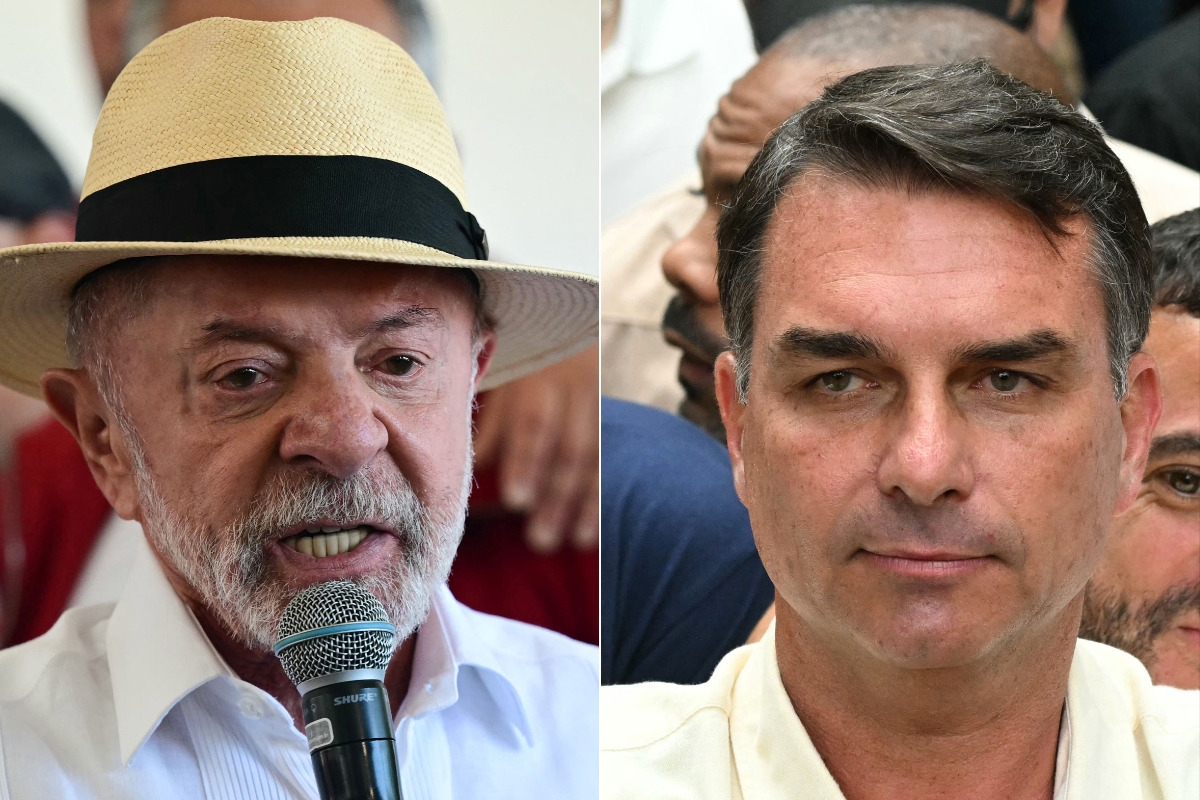
The Brazilian Electoral Commission announced that Brazilian Senator Flávio Bolsonaro will face President Luiz Inácio Lula da Silva in the second round of the presidential election.
The Electoral Court in Brasília stated that neither the current president, 80, who is seeking a fourth non-consecutive term, nor his rival, Flávio Bolsonaro, 45, the son of former President Jair Bolsonaro, reached the required 50% or more of the total votes needed to win in the first round.
After more than 97% of votes were counted, the right-wing candidate secured 47.45% of valid votes in the first round, surpassing expectations in most private opinion polls, while left-wing candidate Lula da Silva received 44.66% of the votes.
Roberto Muga, co-founder of the Igarapé Institute research think tank, said, “Polling companies made significant errors.” He added, “I expect the runoff polls, which show a close tie, to also reduce Bolsonaro’s standing.”
The top two candidates advance to the second round of the election scheduled for October 25, having surpassed 12 other candidates in a campaign focused on concerns about rising living costs, corruption, and insecurity in the daily lives of Brazilians.
Speaking to journalists in Brasília after nearly all votes were reported, Bolsonaro said, “Brazil wants change, and I am very happy with the results,” declaring the “end of the Workers’ Party era” led by Lula.
Addressing a crowd at a hotel in São Paulo, Lula said he was convinced he would win the election in the first round. He added in his remarks, “Starting tomorrow, we begin a new campaign,” pledging to show voters what he achieved during his presidency.
Surging public spending and debt exceeding 82% of GDP have raised financial concerns that Brazil’s next president will need to address. The government has lowered its economic growth forecasts for this year and next to 2% and 2.3%, respectively.
The election takes place amid sharp polarization over the direction of a major Latin American country, with voters deciding between continued left-wing rule or joining a regional right-wing surge supported by U.S. President Donald Trump.
Lula da Silva emphasizes that Brazil’s sovereignty is at stake amid pressure from the U.S. administration, which has imposed tariffs on Brazilian goods.
The outgoing left-wing president said after casting his vote in São Paulo state, “The people must choose between strengthening the democratic system and barbarism.”
Lula da Silva, who returned to power in 2023, is known for his social programs that lifted millions out of poverty in the early 2000s, and he boasts of achieving historically low unemployment rates. However, voters complain about the cost of living and the prevalence of crime.
He stated, “Brazil needs change and can no longer endure all this suffering, these high taxes, the large number of women being killed, and this level of political persecution.”
Flávio was not widely known before his father pushed him into the race, after the latter was sentenced to 27 years in prison for attempting to cling to power following his defeat to Lula da Silva in the 2022 election.
Bolsonaro, who supports a close partnership with Washington, has pledged to take a tough stance on crime and to act firmly against rising public debt.
Conservatives have recently achieved consecutive victories in Latin America, encouraged and supported by Trump, but a shift of the region’s largest economy to the right would mark a dramatic turning point.
