Trump pressures Cotton to pass the Permanent Daylight Saving Time bill
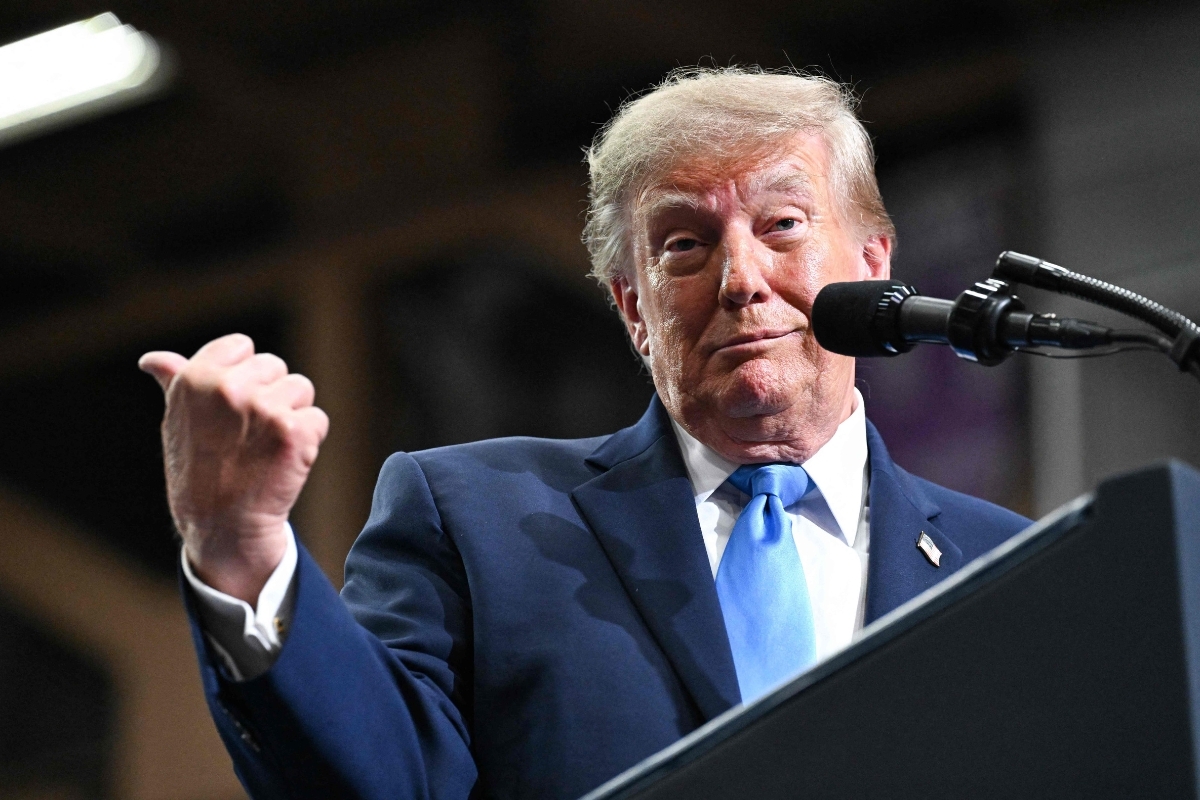
On Saturday, U.S. President Donald Trump pressured Republican Senator Tom Cotton of Arkansas to support a bill that would make daylight saving time permanent, taking the rare step of publishing Cotton’s personal mobile phone number and urging Americans to call him to exert pressure.
In July, the U.S. House of Representatives approved the “Sunshine Protection Act,” which aims to adopt daylight saving time year-round, but the legislation faces obstacles in the Senate due to opposition from some Republican lawmakers. While supporters, including the White House, argue that the change would provide additional daylight hours aligned with peak daily activity, opponents warn that the move would make winter mornings darker and more dangerous, particularly for children waiting for school buses and parents commuting to work.
This marked a notable escalation by Trump on an issue that has long divided the two men; Trump supports making daylight saving time permanent, while Cotton strongly opposes it. The dispute comes with only a few weeks remaining before the midterm congressional elections, during which Republicans prefer the president to focus on affordability issues and party achievements. Cotton is also running for re-election in November, although his race is not expected to be competitive.
Daylight saving time is the period between spring and autumn, during which clocks are set one hour ahead of standard time in most parts of the United States. Not all states observe the system; under the current bill, states could opt out of the change if their legislatures decide to do so before the law takes effect.
Speaking to reporters as he left the White House on Saturday to attend a campaign rally in Vandalia, Ohio, Trump said, “It’s a huge hassle and requires a lot of effort from many people; they spend two days running around changing all the clocks at home. It confuses everyone.”
Trump added that changing the time gives golfers less time on the greens and tennis players less time on the courts, and he blamed Cotton for blocking the bill.
