Jobs Data Confuses US Federal Reserve Calculations
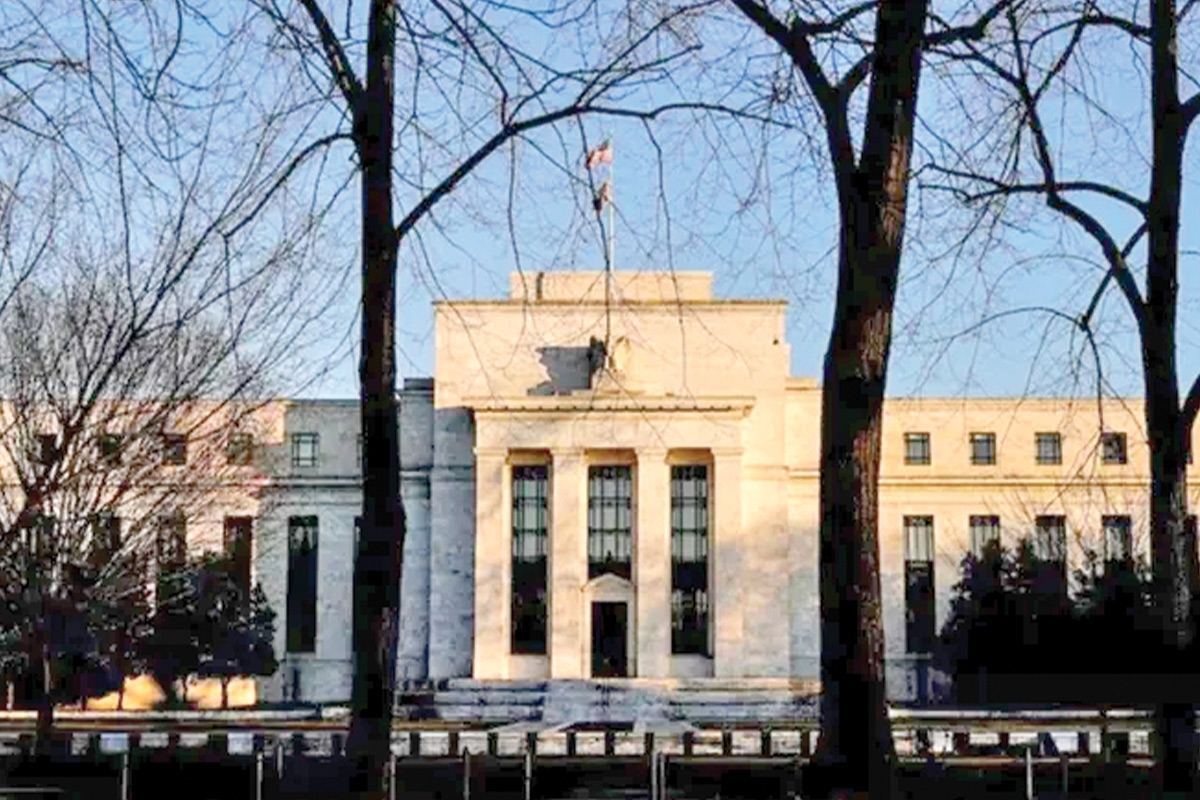
Weak jobs data in the United States strengthens expectations that the Federal Reserve will halt interest rate hikes in October, amid concerns over inflation.
Translated by Qiyas from الجريدة — Original source
A US labor market report released yesterday, which showed a larger-than-expected slowdown in hiring, has steered policymakers at the Federal Reserve (the US central bank) away from proceeding with a second consecutive interest rate hike this month, aiming to allow time to study additional economic data before making any further decisions.
However, this assessment could change following data that has yet to be released, particularly the Consumer Price Index, closely watched as a measure of inflation, which will be published ahead of the Fed’s policy meeting on October 27 and 28.
After raising interest rates by a quarter percentage point last month to put inflation on a “faster” path toward the Fed’s 2% target, US central bank officials are now weighing the risks of moving too slowly to curb price pressures against the potential damage to the labor market if they move too quickly.
Federal Reserve Chair Jerome Powell has adhered to his policy of refraining from making any statements about the risks he sees or the path interest rates may need to take, but his colleagues have not been as restrained.
In response to a Fox Business question about whether the Fed should raise or hold interest rates at its next meeting, Chicago Fed President Austan Goolsby said, “There is a wide range of options on the table.”
Goolsby added that he believes the latest jobs data shows the labor market is stable, and continued: “I think the inflation side of the Fed’s mandate is the source of the problem. We need to watch that closely.”
The Department of Labor reported that US employers added only 29,000 jobs last month, a figure below economists’ expectations of 90,000 new hires, and August employment figures were revised downward.
After the Fed raised short-term borrowing costs last month, policymakers indicated they would likely proceed with at least one more rate hike by the end of the year if the Iran war and other shocks driving inflation higher persist.
With continued delays in reaching a ceasefire agreement and trade tensions remaining at the forefront of attention, expectations until early this week pointed to a rapid series of interest rate hikes, coinciding with rising long-term bond yields, which hit a 24-year high last Thursday. Mortgage interest rates also rose above 7%.
However, Fed Vice Chair Philip Jefferson and New York Fed President John Williams expressed this week their desire to see more data before considering any further action, leading investors to reduce their bets on a rate hike during the central bank’s October meeting.
Data released this week showed that inflation, according to the Fed’s preferred measure, reached 3.4% in August, a rate far above the 2% target, but below economists’ expectations.
Wall Street rose on Friday, closing the trading week, after weaker-than-expected jobs data lowered expectations for a Federal Reserve interest rate hike at its policy meeting this month.
The Labor Department said nonfarm payrolls rose by 29,000 last month, with a significant downward revision to the figures for the two preceding months, compared with economists’ estimates surveyed by Reuters for 90,000 jobs.
Data from CME Group’s FedWatch tool showed that the weaker-than-expected jobs report reduced the odds of the Federal Reserve raising interest rates by at least 25 basis points at its meeting scheduled for late October to 22.7%, down from 24.4% in the previous session and 64.2% a week earlier.
Robert Bernstein, head of trading at Summit TX Capital in New York, said, “The news was acceptable because it means the economy is not growing at a rapid pace. But how good is this? It’s good in that it removes the possibility of a near-term rate hike, but there is concern about the economy and inflation, so people are feeling a kind of cautious optimism.”
He added, “However, there could be potential pressure by the end of the year, or at least over the next one or two months, simply because it is an unwelcome rise.”
The S&P 500 index rose 56 points, or 0.73%, to 7,722 points, while it fell 0.27% over the week.
