Arab Ministerial Meeting Discusses Climate Change and Desertification Issues... With Kuwait's Participation
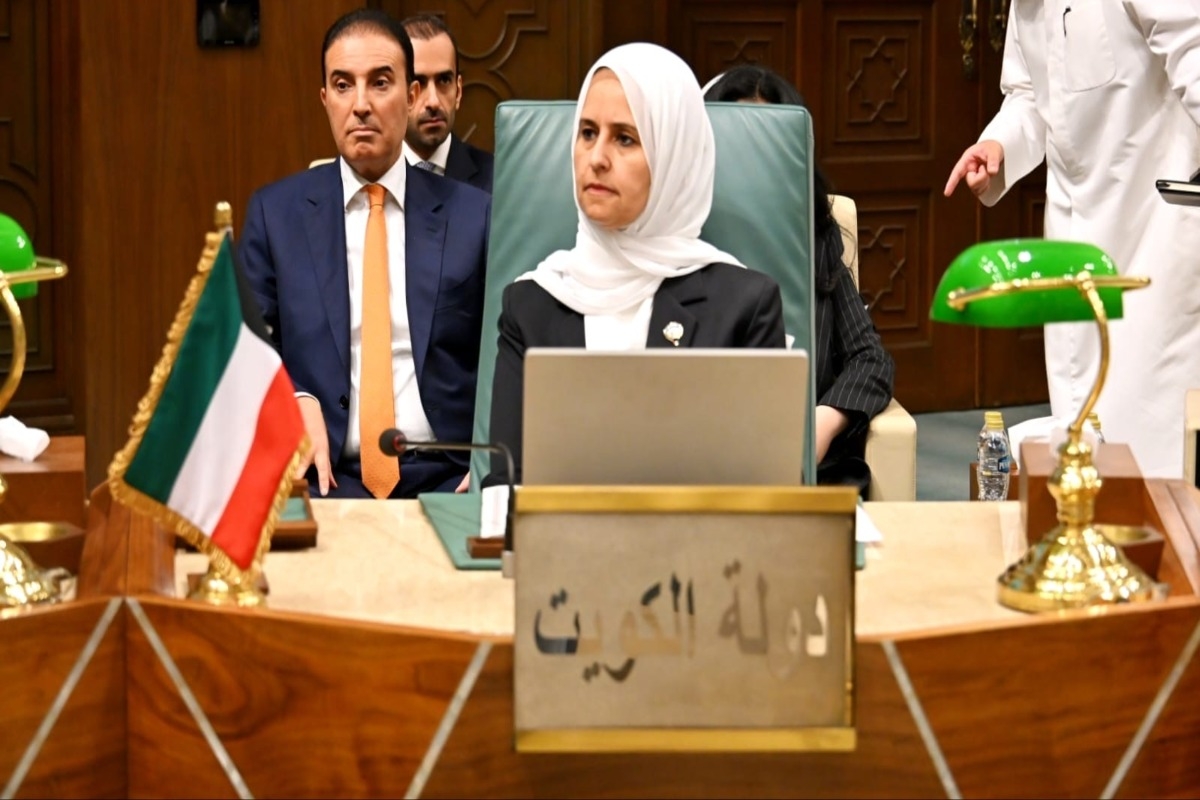
Yemeni Minister of Water and Environment, Engineer Tawfiq Al-Sharjabi, who presided over the session, said in an opening address that the Arab region is facing growing environmental and developmental challenges, foremost among them water scarcity, drought, desertification, loss of biodiversity, pollution, and climate change. He noted that these challenges directly and indirectly affect water security, development, the economy, and social stability.
He added that the convening of the session comes at a time when the Arab region is confronting escalating environmental and developmental challenges, emphasizing that environmental issues are no longer isolated concerns but have become a fundamental element of national security, social stability, and the future of development in the region.
He clarified that the session’s agenda reflects the importance of environmental action through topics such as climate change, biodiversity, desertification control, and sustainable management of natural resources, alongside various environmental priorities.
Al-Sharjabi stressed that climate change is no longer a future challenge but has become a significant threat to food resources, noting his country’s appreciation for the Arab coordination achieved on environmental and climate issues.
He considered that the current stage requires enhanced coordination and efforts to formulate effective Arab positions at international forums, reflecting the priorities of Arab countries and the specificity of their developmental circumstances.
He emphasized that raising climate ambition must be accompanied by providing conventional and concessional financing, capacity building, and enhancing knowledge and technology transfer to meet the needs of developing and least developed countries, enabling them to fulfill their commitments and achieve their developmental goals.
He viewed the interconnection between water, agriculture, and the environment as an integrated system, where no component can be addressed in isolation, noting that water security is linked to food security, with both connected to the integrity of ecosystems and their capacity to withstand drought and desertification.
He stated that the core of environmental work lies in protecting humanity and safeguarding the right to development and a decent life, explaining that climate justice is gaining increasing importance, requiring consideration of disparities in capabilities and conditions among countries, and giving special attention to the most vulnerable communities and environments affected by climate change.
Regarding the Palestinian issue, he affirmed that the Palestinian cause, with Gaza at its heart, remains present in the Council’s work and in Arab concerns, noting that its impacts have extended to water, soil, air, natural resources, and ecosystems.
He said that the Arab region possesses the expertise, resources, and capacities that qualify it to shape a more sustainable and resilient future, calling for this session to serve as a milestone in transitioning from consensus to implementation, from decisions to application, and from crisis management to building resilience and preparing for the future.
He also called for solidarity, partnership, and justice to form the basis of joint Arab action, to preserve natural resources and safeguard the rights of current and future generations to a safe and stable environment, and to achieve a more secure and stable region.
He expressed gratitude and appreciation to the Mauritanian Presidency for its efforts during the previous session of the Council, its management of the Council’s affairs, follow-up on its issues and topics, and its contribution to advancing the trajectory of joint environmental action.
The Council will discuss the draft agenda, which includes a number of items under two main axes. The first axis focuses on following up on international environmental agreements and meetings, foremost among them the outcomes of the 24th meeting of the Arab Working Group on Biodiversity and Desertification, the results of the Conference of the Parties to the Convention to Combat Desertification, nature-based solutions, and the interlinkages between water, agriculture, and environmental policies, as well as the follow-up on conventions related to chemicals, waste, and ozone.
Conversely, the second axis addresses Arab environmental affairs, including the Arab Forum for the Environment, the Arab Environment Facility, the environmental situation in the State of Palestine and Arab countries affected by environmental disasters, the Arab Capital of the Environment, and the Council’s award.
The Council will also discuss the proposed agenda for the 38th session, the slogan for the Arab Environment Day for 2027 and 2028, alongside the report on environmental outlooks in the Arab region, the blue economy, and frameworks for international cooperation in various fields.
