US Inflation Rises Less Than Expected in August
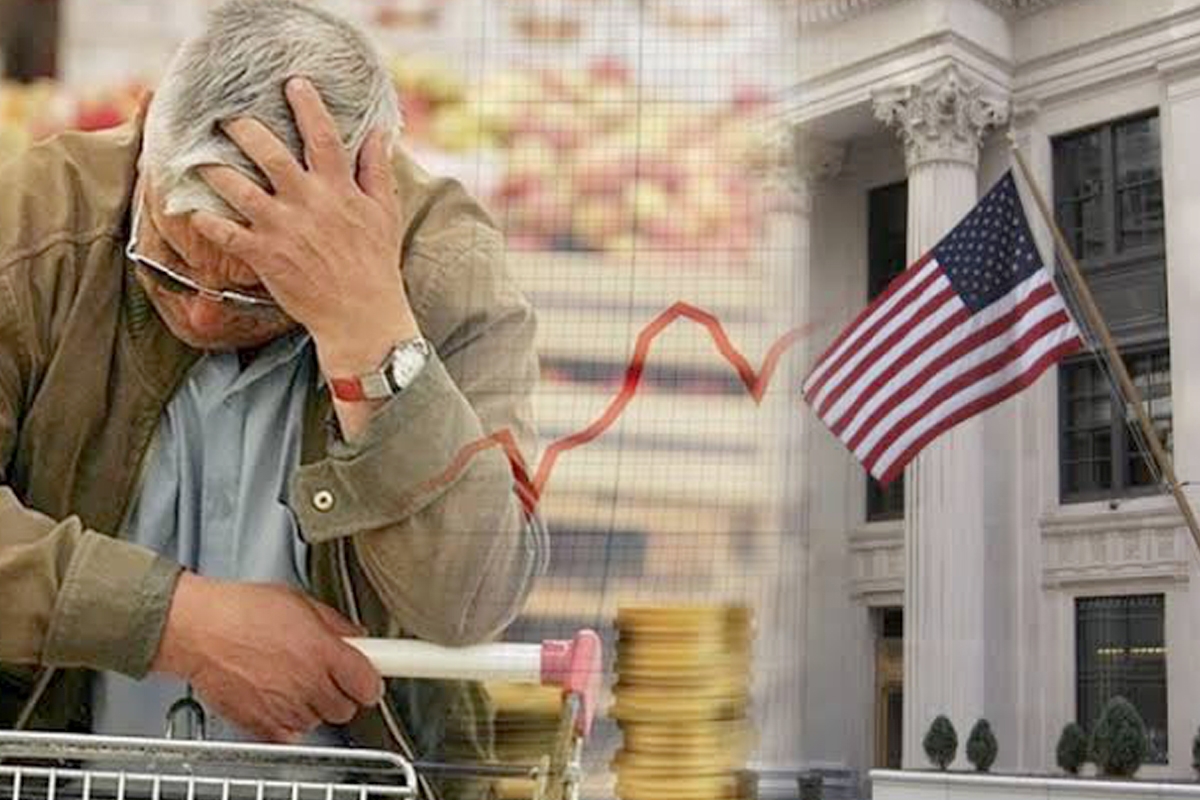
Inflation rose in August by less than expected, reducing bets on interest rate hikes.
Translated by Qiyas from الجريدة — Original source
US inflation rose in August by less than market expectations, potentially prompting investors to reduce their bets on the Federal Reserve raising interest rates again next month.
Economists surveyed by Reuters had forecast the index to rise by 0.4% in August, following a previous reading of 0.2% in July.
On an annual basis, inflation according to the Personal Consumption Expenditures (PCE) price index rose to 2.6% over the 12 months ending in August, compared with 3.4% after downward revision in July. Previous data had indicated that annual inflation had risen to 3.7% in July.
The Bureau of Economic Analysis also revised its methodology for calculating the prices of software, accessories, investment management fees, and legal services within the index, alongside revising inflation data retrospectively from 2021.
Excluding the more volatile food and energy components, the core PCE index rose by 0.2% month-on-month in August, following a downwardly revised increase of 0.1% in July. Previous estimates had indicated a 0.2% rise in July.
On an annual basis, core inflation stood at 3% in August, unchanged from the revised July reading of 3%, compared with a previous estimate of 3.3%.
The US central bank raised its benchmark interest rate to a range of 3.75% to 4% this month, the first increase in three years, while signaling the possibility of further hikes in the coming months.
The probability of an interest rate hike in October fell following comments by New York Federal Reserve President John Williams on Tuesday, when he stated he saw no “urgent need” for further action at this time.
Before the release of the inflation data, the CME Group’s FedWatch tool showed that markets were pricing in a roughly 51.5% probability of another monetary policy tightening next month, down from 70% on Monday.
Although rising inflation and borrowing costs could negatively affect consumer spending, current data do not yet show a significant decline in consumer demand.
Data from the Conference Board showed on Tuesday that consumer confidence in September fell to its lowest level in 12 and a half years.
In contrast, US consumer spending, which accounts for more than two-thirds of economic activity in the United States, rose by 0.9% in August, following a downwardly revised increase of 0.1% in July. Previous estimates had indicated spending growth of 0.2% in July.
Data from the ADP National Employment Report showed that private sector jobs in the US grew at a moderate pace in August, indicating a slowdown in job growth.
Private sector employment increased by approximately 38,000 jobs in August, compared to an upwardly revised increase of 46,000 jobs in July.
Markets have reduced their bets on the US Federal Reserve raising interest rates at its October meeting to 51.5% according to the FedWatch tool, down from 70% previously, following comments by the New York Fed chief that there is no need to rush into further interest rate actions after the recent increase.
