JPMorgan and Goldman Sachs: Gulf Oil Exports Near Pre-War Levels
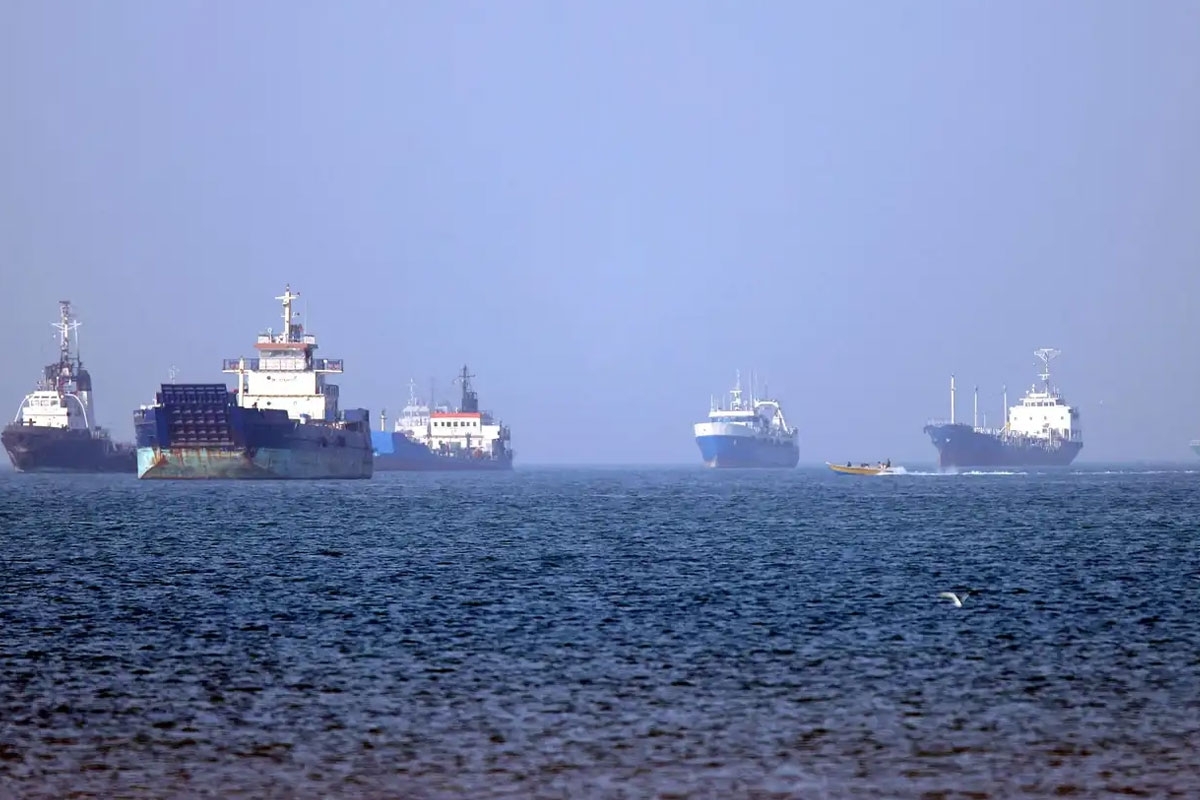
Oil flows from the Middle East are nearing pre-war levels, despite ongoing security risks to navigation, according to estimates from JPMorgan and Goldman Sachs.
Goldman Sachs noted in a memo that Gulf oil exports, including those transported by ships sailing with their tracking devices turned off, recovered to 23.3 million barrels per day last week, aligning with the 2025 average, with exports doubling those recorded in September, according to Reuters.
The bank, in a memo issued Tuesday, pointed out that this recovery was driven by increased exports through the Strait of Hormuz, including ship-to-ship transfers.
Goldman Sachs stated that estimated crude oil exports accounted for nearly 90% of the Gulf’s export recovery in September, reaching 19 million barrels per day, or 108% of its 2025 average, during the previous week.
The bank estimated that exports transported by ships with tracking devices disabled amounted to approximately 5.2 million barrels per day in September.
It added that exports of refined products and liquefied petroleum gas (LPG) grew, but diesel, gasoline, and jet fuel exports remain at 50% of their 2025 average.
The bank’s estimates indicate that the global oil market was nearly balanced in September, while commercial oil inventories in Organisation for Economic Co-operation and Development (OECD) countries align with late February 2026 levels.
The bank continued: “The notable alignment of both Middle East supply and China’s import demand supports our base case scenario, which expects Brent crude prices to fall to $85 per barrel by year-end and to $80 in 2027.”
Meanwhile, JPMorgan estimated crude shipments at approximately 17.5 million barrels per day, representing 98% of pre-war levels, while flows through the Strait of Hormuz returned to nearly 13 million barrels per day, primarily supported by rising Saudi exports.
