Italy Bans the Niqab in Schools and Sets a Cap on the Number of Foreign Students
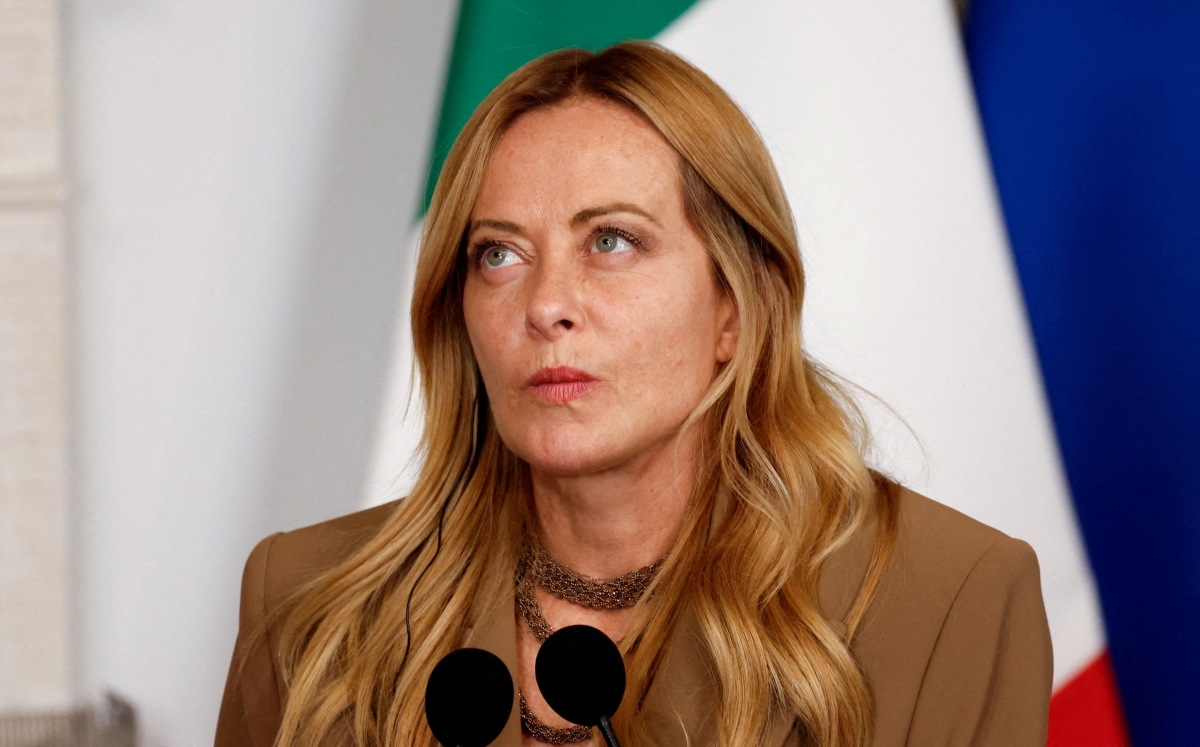
The government of Italian Prime Minister Giorgia Meloni approved a decree on Thursday banning the burqa and niqab in schools and setting a cap on the number of students in each class who are not proficient in Italian.
According to Meloni’s posts on social media, the decree stipulates a “30 percent cap on the number of students in a class who do not have sufficient proficiency in Italian, additional tools for learning our language, and a ban on the burqa and niqab in schools.”
If a student faces serious difficulties in integrating into the school environment, social services will be called in, and the parents will be required to attend free Italian language lessons. A fine of up to 1,000 euros will be imposed for non-compliance.
Italy is considered a frontline country in the migration file, and integration is a hot-button issue in campaigns ahead of the general elections scheduled for next year.
The organization Save the Children warned that forcing students to change schools solely based on their nationality or limited proficiency in Italian would lead to “creating first-class and second-class students.”
However, Education Minister Giuseppe Valditara stated that “insufficient linguistic proficiency... hinders educational progress.”
He added to journalists that “parental involvement in their children’s educational path is essential for their academic success,” noting that there are 34,000 classrooms in the country where the percentage of foreign students exceeds 30 percent.
However, most of these classrooms will not be affected by the decree, which targets new arrivals rather than those born in Italy or who enrolled in preschool.
The Italian government previously set a 30 percent cap on the number of foreign students in each classroom in 2010, but this limit was flexible and could be raised if the children possessed sufficient language skills.
Meloni said after the cabinet meeting that the ban on the burqa is a “security issue.” She added, “When a woman, or worse, a young girl, is forced to cover her face, she is deprived of fundamental rights and of integration itself.”
