Stalemate in US-Iranian talks boosts oil gains
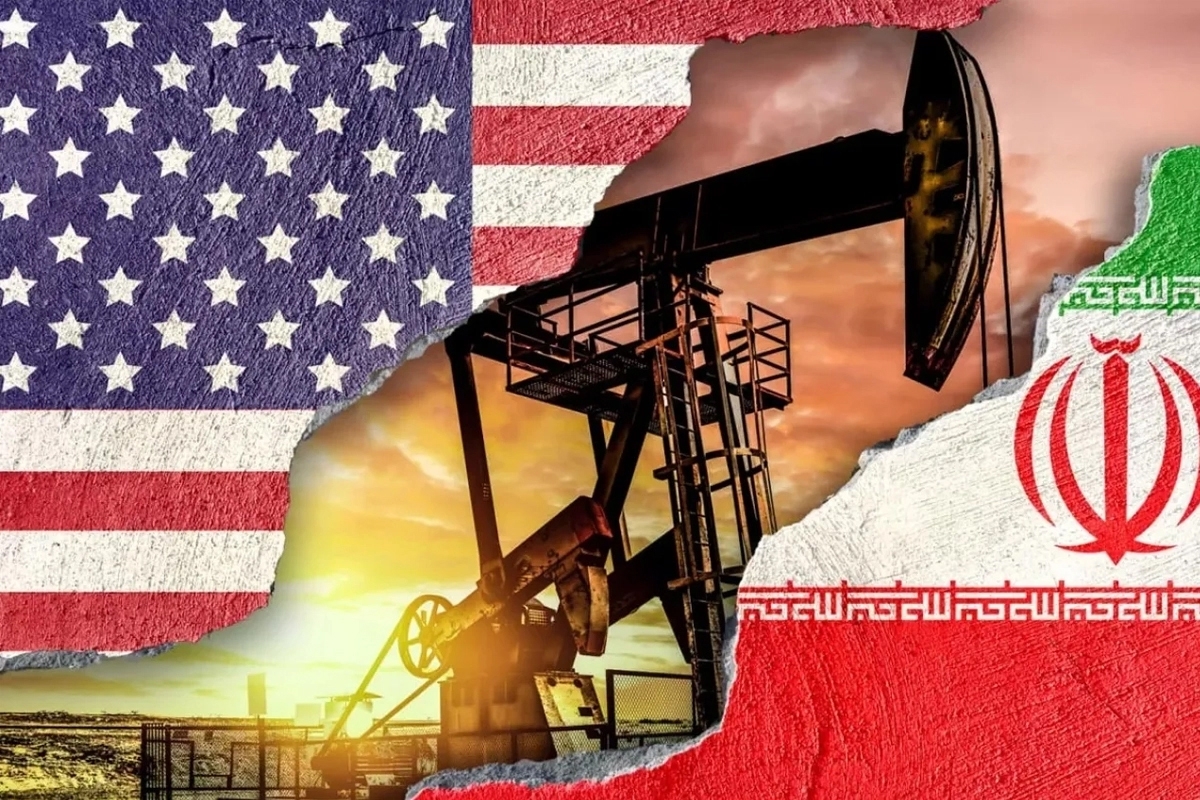
Oil prices extended their gains today, following a 4 percent rise in the previous session, amid a lack of concrete signs of progress in talks between the United States and Iran.
The crude benchmarks retreated in early Asian trading today but resumed their upward trajectory as investors struggled to identify a clear direction amid the geopolitical deadlock. Meanwhile, the price of a barrel of Kuwaiti crude fell by 66 cents to $106.30 in yesterday’s trading, down from $106.96 on Tuesday, according to the Kuwait Petroleum Corporation.
A senior Iranian official told Reuters yesterday that the positions of Iran and the United States remain far apart on how to end the war, but diplomatic efforts must continue. This follows remarks by the Iranian president to the UN General Assembly, in which he stated that Tehran would never succumb to US pressure.
The official, who spoke on condition of anonymity, added that Tehran is studying Washington’s response to its proposals to end the war. The proposals focus on lifting the US naval blockade on Iranian ports and reopening the Strait of Hormuz.
However, Brianka Sachdeva, head of market research at Philip Nova, said the actual oil market remains far from normal.
Sachdeva noted that Brent crude retains a larger geopolitical and maritime premium because the global benchmark is more directly exposed to disruptions in the Middle East and the Strait of Hormuz, whereas West Texas Intermediate benefits more from US supplies that are relatively distant from the region.
Earlier yesterday, Mohsen Rezaei, secretary of Iran’s Supreme National Security Council, said the Strait of Hormuz would not be reopened unless Iran’s conditions were met.
US Secretary of State Marco Rubio told reporters yesterday that reaching an agreement with Iran would require hard work over a period of time, adding that US President Donald Trump also has military options.
Futures for ultra-low-sulfur diesel fell by about 5 percent in midday trading after the website Politico reported that the Trump administration was preparing plans to impose a 90-day ban on diesel exports, but the White House denied this.
Energy Secretary Chris Wright had stated earlier yesterday that a diesel export ban would be ineffective, despite Trump saying he would support it.
Analysts and market watchers warned that such a move would do little to alleviate rising energy prices but could exacerbate the global supply crisis and cause further disruption to economies.
Meanwhile, data from the Energy Information Administration showed that US distillate product stocks, including diesel and heating oil, fell by 428,000 barrels to 107.4 million barrels last week.
US crude oil stocks rose by 3 million barrels to 426.4 million barrels last week, according to the EIA. Analysts polled by Reuters had expected a decline of 641,000 barrels.
The agency added yesterday that crude oil stocks at the Cushing, Oklahoma, distribution hub rose by 2.2 million barrels during the week to 23.7 million barrels.
The agency noted that crude consumption at refineries fell by 519,000 barrels per day during the week, and refinery operating rates dropped by 2.8 percentage points during the week to 94 percent.
Refinery operating rates in the Midwest region fell to 86 percent, compared with 100 percent in the previous week.
It clarified that distillate product stocks, which include diesel and heating oil, fell by 428,000 barrels during the week to 107.4 million barrels, compared with forecasts for a decline of 633,000 barrels.
It said U.S. gasoline stocks fell by 1.7 million barrels during the week to 206 million barrels, compared with analysts’ estimates in a Reuters poll for a rise of 95,000 barrels.
Preliminary data available today showed that ten cargo ships transited the Strait of Hormuz, up from seven the previous day, but still below the ten-day moving average of around 17 ships.
These figures do not include any ships that may have transited the strait with their transponders turned off to avoid detection.
Before the outbreak of the U.S.-Israeli war on Iran on February 28, the strait typically saw the daily passage of around 125 large commercial vessels, including oil and gas tankers, bulk carriers, and container ships, a flow that accounted for about 20 percent of global daily supplies of crude oil and liquefied natural gas.
In the Bab al-Mandab strait, 27 cargo-carrying ships transited the waterway yesterday, up from 24 the previous day and compared with an average of 26 ships transiting the strait over the past ten days.
