Voluntary Threat to Airports Dispels Optimism of Al-Watfa and Al-Araqji Meeting
Yesterday, the Iranian crisis appeared suspended between diplomacy and escalation, in a scenario where it is difficult to determine which path will prevail in the coming phase.
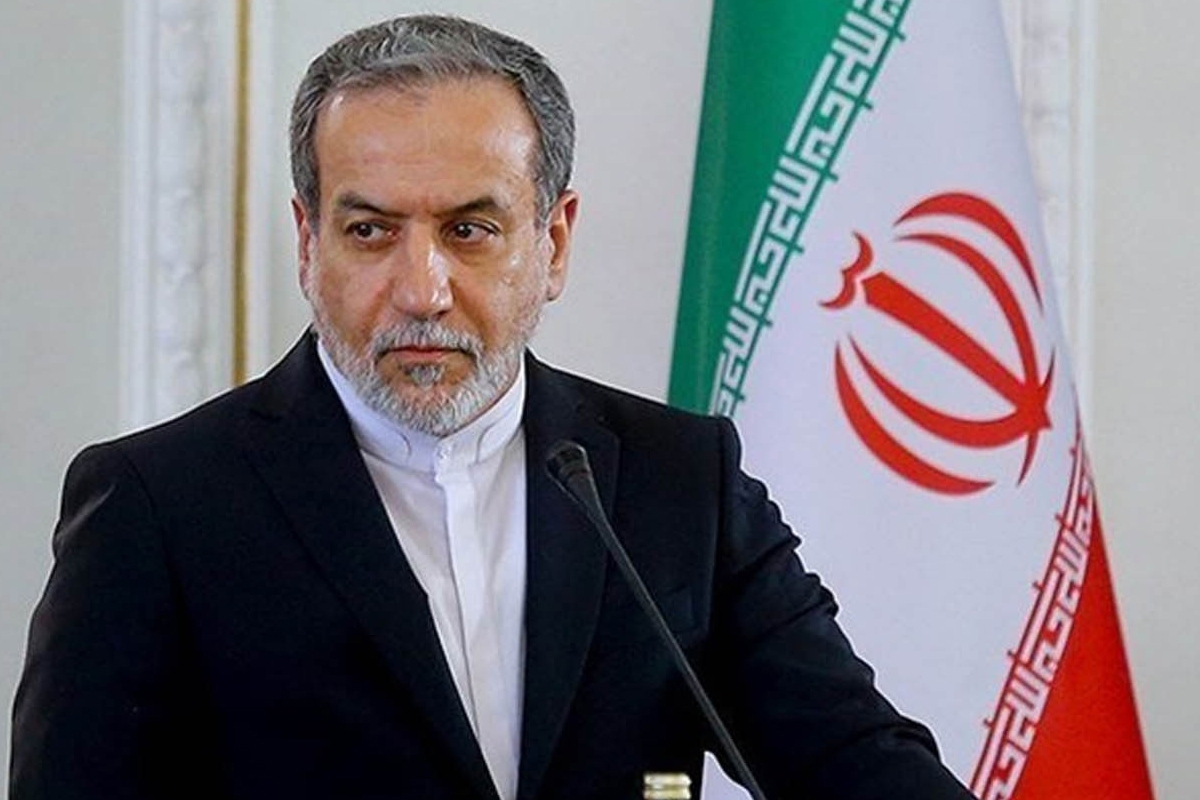
At the U.S.-regional meeting held in New York, with Kuwait participating, U.S. President Donald Trump expressed optimism about the possibility of a diplomatic breakthrough, following what he described as “excellent” talks between his envoys, Steve Witkoff and Jared Kushner, and an Iranian delegation headed, according to sources, by Foreign Minister Abbas Araghchi.
In contrast, hostile threatening rhetoric against regional countries escalated in Tehran, coinciding with the entry into force of U.S. sanctions expected to paralyze Iranian aviation. Supreme National Security Council Secretary Mohsen Rezaei threatened regional countries with targeting their airports if they comply with U.S. sanctions, while Araghchi faced sharp criticism from hardliners.
During the meeting, Trump stated that Tehran faces two options: one very bad, and the other leading to greatness. He spoke of “significant momentum” toward reaching an agreement, expecting the war to end after the U.S. midterm elections in November.
He indicated that increasing pressure on Iran is part of efforts to force it to “make the right decision quickly before it is too late.” He did not rule out the possibility of attacking the Iranian facility known as “Mount Axe” if significant nuclear activity is detected there.
According to information available, Trump informed the attendees that he is still keeping the door open for a diplomatic path to reach solutions, without discarding the option of military escalation. He also reaffirmed the importance of reaching regional understandings with Israel.
An Iranian diplomatic source told Al-Jarida that the U.S. envoys explained to Araghchi that Trump’s demands from Tehran can be summarized in three points: officially declaring the abandonment of the nuclear program, opening the Strait of Hormuz, and ceasing all hostile actions against the United States and Israel.
According to the source, the envoys warned Araghchi against wasting time or attempting to rely on the U.S. midterm elections, and urged him to stop using internal disagreements within the Iranian system as an excuse. They considered that any delay in the Iranian response would increase the risk of Trump resuming the war, in a round that, according to their warning, would be more destructive than previous ones and could include targeting infrastructure and energy facilities, alongside tightening the naval, land, and air blockade.
In response, Araghchi, according to the source, affirmed Tehran’s insistence on returning to the Islamabad Memorandum of Understanding signed between the two countries in June, considering it a roadmap for negotiations leading to the end of the war and addressing other concerns, ultimately reaching a comprehensive settlement that allows for the normalization of relations between the two countries.
Araghchi rejected returning to square one in the negotiations, proposing instead to clarify or amend some of the disputed or ambiguous clauses in the memorandum.
Secretary of State Marco Rubio translated this reality by stating that an agreement with Tehran requires hard work, describing the Iranian-U.S. meeting as merely an exchange of ideas.
In contrast, platforms close to the Islamic Revolutionary Guard Corps, including Tasnim, criticized the meeting between Witkoff and Araghchi.
The agency claimed that the meeting took place without the approval of decision-making and policy-making bodies, and called on Araghchi to offer a formal apology for “giving a major gift to Trump.”
While Iranian airlines were forced to cancel international flights yesterday under the pressure of U.S. sanctions aimed at paralyzing their air operations, alongside the tightening of the naval blockade imposed on their vessels and ports, Iranian National Security Council Secretary Mohsen Rezaei threatened to disrupt airport operations in regional countries if they cooperate with the United States to halt Iranian flights.
Rezaei affirmed that if the United States does not accept Iran’s “old and new” conditions, the Strait of Hormuz will not be opened, and there will be no negotiations. Rezaei was referring to a new condition announced by the Islamic Revolutionary Guard Corps: the lifting of the blockade on the Yemeni Houthi group, Ansar Allah.
In related developments, Houthi leader Abed Al-Thur stated yesterday that his group is coordinating regional battles with Iran and Hezbollah in Lebanon. He warned the United States against launching strikes against the Tehran-aligned group, while declaring that the Bab el-Mandeb Strait has become a “red line” for the United States and others.
