Anti-Corruption Conference Adopts Kuwait Initiative to Identify Beneficial Owners and Pursue Suspicious Funds
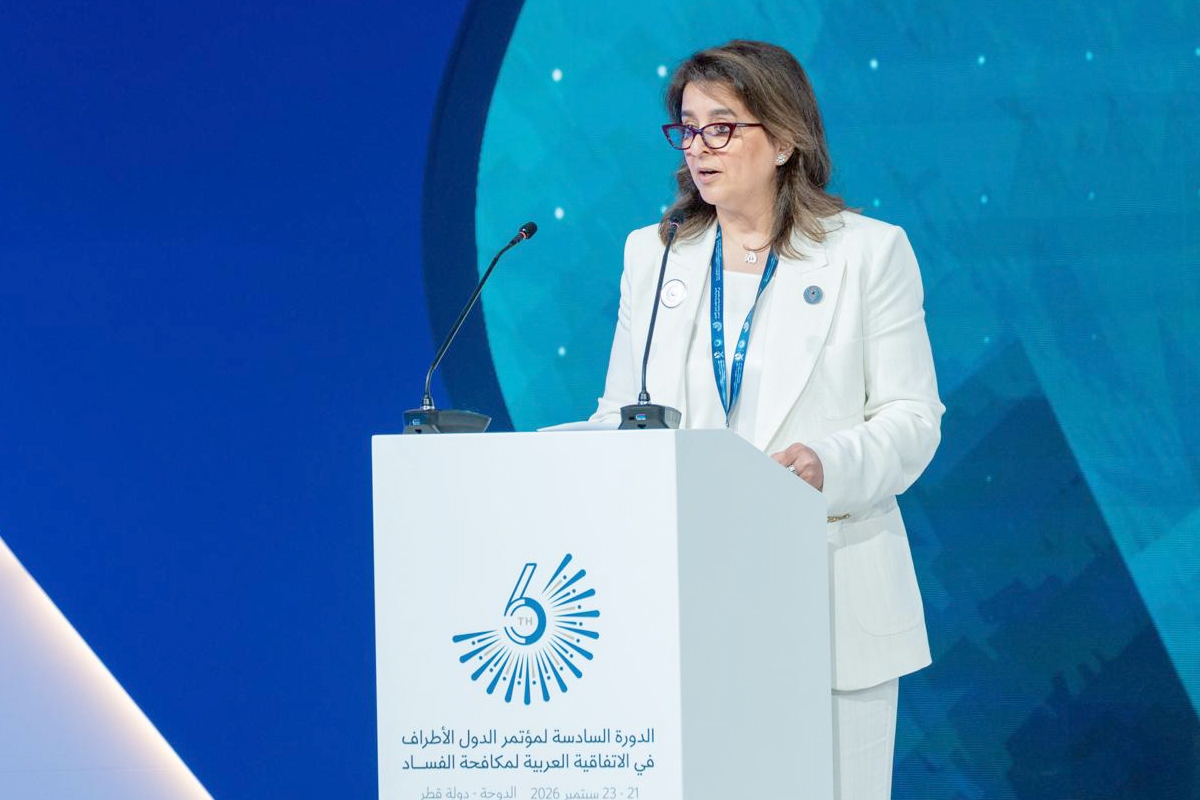
The Conference of the Parties to the Arab Convention against Corruption, in its sixth session held in Doha, adopted a decision submitted by Kuwait and prepared by the General Authority for Anti-Corruption (Nizaha), concerning the enhancement of beneficial owner transparency. This marks the first draft decision that Nizaha has proactively prepared and submitted on behalf of Kuwait to the Conference.
In a statement issued today, Nizaha said the decision aims to strengthen states’ ability to identify individuals who own or effectively control companies, and to limit the use of such entities to conceal proceeds derived from corruption crimes. This will assist competent authorities in uncovering, tracing, and recovering such assets, while protecting legitimate business activities.
Al-Fares added that knowing who owns or effectively controls companies enhances transparency, limits the potential use of such entities to hide proceeds from corruption crimes, and helps competent authorities detect, trace, and recover those funds.
She noted that Kuwait, in preparing the decision, sought to strike a balance between promoting integrity and transparency on one hand, and protecting legitimate business activities and economic interests on the other, in line with the Arab and United Nations conventions against corruption and the recommendations of the Financial Action Task Force (FATF).
Al-Fares pointed out that, as the first draft decision proactively prepared and submitted by Nizaha on behalf of Kuwait, this decision reflects the Authority’s orientation toward enhancing Kuwait’s contribution to developing joint Arab initiatives in the field of corruption prevention and combat, and shifting from participating in regional efforts to taking the initiative and proposing measures that support Arab cooperation.
She explained that the decision calls on the Parties to develop their national legislation and regulatory frameworks to address methods of concealing true ownership, to enhance information exchange and cooperation among them, and to leverage modern technologies and artificial intelligence in collecting and analyzing data that helps identify beneficial owners.
