Can America succeed in isolating Iran in the air?
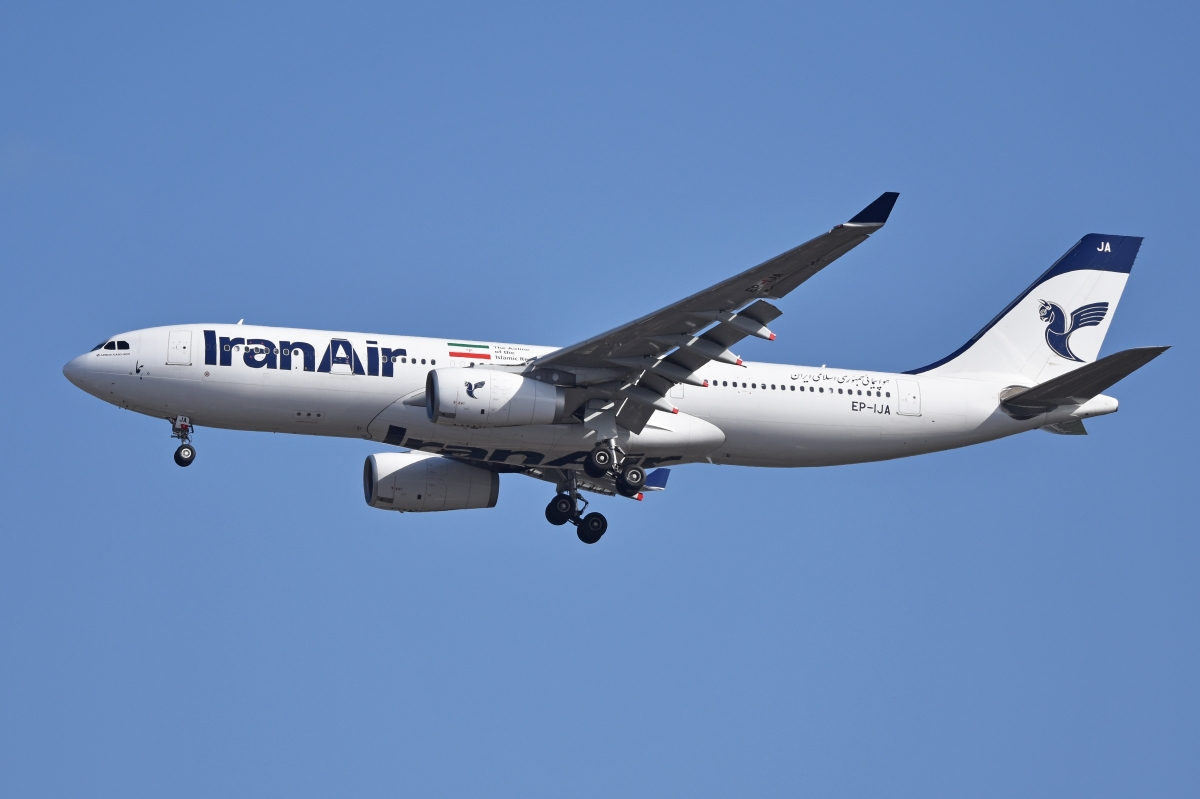
US sanctions on Iran’s aviation sector take effect tomorrow, amid moves by countries and companies that have already begun to restrict Iranian air traffic to and from abroad. Could financial sanctions turn into a de facto air blockade, as Washington imposes a naval blockade on Iran’s Gulf ports?
US Treasury Secretary Scott Bessent stated that all Iranian airlines face the risk of being shut down from international operations starting September 23.
However, Washington is not directly preventing Iranian aircraft from flying. Instead, it is targeting the network required for these aircraft to operate outside Iran.
Bessent warned foreign airports and companies against providing services to Iranian airlines, including:
The price is the potential loss of access to the dollar-based financial system. In other words, Washington is betting on forcing foreign airlines and airports to choose between servicing Iranian aircraft or avoiding US sanctions.
On September 8, the US Treasury Department imposed sanctions on 36 targets linked to Iran’s aviation sector, including 27 airlines. It also targeted foreign companies and intermediaries that help Tehran obtain aircraft and technology or operate its air networks. September 23 is the deadline set by Bessent for the full impact of the new measures to begin affecting the international operations of Iranian airlines.
The reasons vary from company to company and include security risks, airspace restrictions, and pressures related to sanctions. But the outcome is the same for Iranian travelers: international air travel options are rapidly narrowing.
Beijing rejects US unilateral sanctions on Iran and has affirmed that it will not allow its legitimate cooperation with Tehran to be disrupted. Moscow, like Beijing, opposes the US policy of unilateral sanctions on Iran.
It is not an air blockade in the direct legal sense. Washington has not declared the closure of Iranian airspace or banned all aircraft from entering Iran. However, it is using secondary sanctions to pressure the airports, fuel companies, service providers, and ticketing systems that Iranian airlines rely on. With some foreign carriers withdrawing and some countries halting flights by Iranian airlines, the practical result could be a severe restriction on air traffic to and from Iran, amounting to a form of de facto air isolation.
• And if the response to US sanctions expands, Washington may not need to declare an air blockade: the sanctions themselves could impose a form of de facto air isolation on Iran.
