Oman Tightens Controls on Selling Units in Master Plans in Free Zones
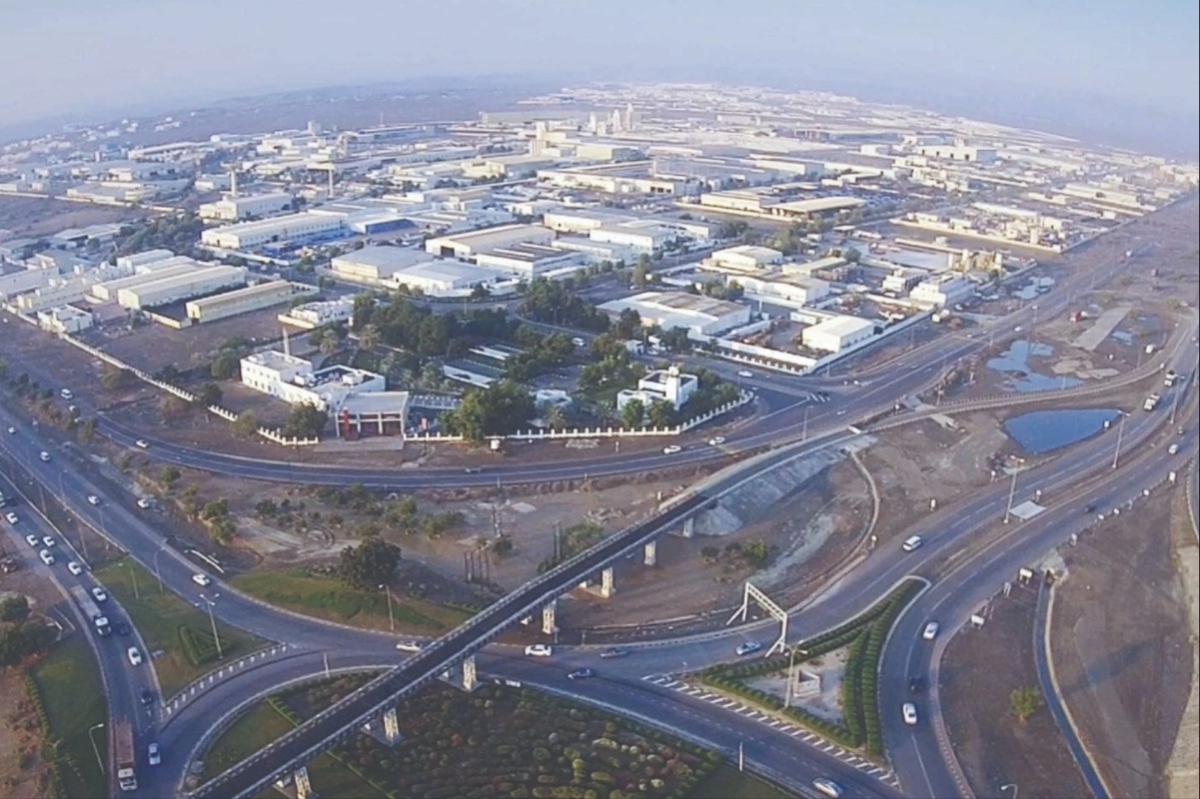
Entry into force of the new executive regulations for the Law of Special Economic Zones and Free Zones to regulate the sale of real estate units.
Translated by Qiyas from الجريدة — Original source
The new executive regulations of the Special Economic Zones and Free Zones Law in the Sultanate of Oman have entered into force, introducing a set of controls governing the sale of off-plan real estate units, with the protection of buyers’ funds and the monitoring of developers’ handling of collected payments at the core of the sales process.
These new controls are particularly significant for Gulf investors or buyers considering purchasing property within zones subject to the regulations. They not only regulate advertising and sales but also specify when developers can receive buyers’ funds, where these funds must be deposited, how they are disbursed, and what portion remains reserved after the unit’s delivery, according to the regulations issued by the Public Authority for Special Economic Zones and Free Zones.
Under Decision No. 81 of 2026, developers are prohibited from receiving any funds for reselling off-plan units before obtaining approval from the competent authority. Furthermore, permission to promote the project and complete sales procedures is contingent upon meeting specific requirements related to the guarantee account and project financing.
The regulations require developers to open a dedicated project guarantee account, demonstrating the presence of funds equivalent to 20 percent of the project’s total cost in the account, with the value of construction work already completed counted toward this percentage.
Thus, the 20 percent requirement does not necessarily mean the developer must deposit 20 percent of the project’s value in cash; the value of completed construction work is included in the calculation.
The role of the guarantee account does not end with obtaining approval; disbursements from it are tied to the project’s actual progress level, based on the consultant’s certificates and the controls specified in the regulations.
The regulations also prohibit using the guarantee account to obtain project financing, and the account cannot be closed without the authority’s approval, thereby separating, in principle, funds earmarked for project implementation from other financing tools the developer may use.
Among the key post-delivery safeguards, developers are required to retain no less than 5 percent of the price of each sold unit within the guarantee account for one year from the date of registration.
This amount is not released automatically upon the expiration of the period; the regulations require a certificate signed by the owner, the consultant, and the developer confirming that the unit is free from defects.
This grants buyers a direct role in releasing the withheld funds, rather than limiting the procedure to the developer and consultant. Additionally, the authority has the power to instruct the bank to stop disbursements from the guarantee account if a dispute arises regarding entitlement to these funds.
For buyers, this mechanism means that a portion of the unit’s value remains outside the developer’s control during the first year following registration, until the disbursement requirements are met.
The regulations also govern the ownership of real estate units by non-Omanis, but they do not open the door to free ownership in all projects located within special economic and free zones.
The regulations leave it to the Council to determine several important controls, including the minimum price of a unit that can be sold to non-Omanis, the maximum number of units, and the percentage that can be sold to individuals of a single nationality.
Consequently, the current regulations do not provide a fixed number that foreign buyers can rely on for these limits; instead, they establish the regulatory framework and leave the specific determination to subsequent decisions.
Notably, the text uses the term “non-Omanis” and does not include any special distinction for citizens of the Gulf Cooperation Council (GCC) countries within these provisions.
The regulation includes incentives for strategic projects in other chapters; however, these benefits do not automatically grant long-term exemptions to any real estate development project in free zones.
Exemptions, which can last up to 10 years, are contingent upon the project being classified as a “strategic project,” in accordance with conditions and controls related to the investment size, the nature of the activity, and the project’s outcomes, such as technology transfer, enhancing local content, contributing to self-sufficiency or exports, as well as sectors designated by the Authority’s Board of Directors.
Furthermore, the list of activities eligible for tax exemption in the regulation does not explicitly mention real estate development, although the Board retains the authority to add other activities.
Consequently, the mere presence of a real estate project within a free zone does not automatically entitle it to a ten-year exemption.
A review of the provisions governing off-plan sales reveals that the core of the change for buyers lies not so much in offering a new investment incentive, but rather in imposing restrictions on when developers can access buyers’ funds and how those funds may be used after collection.
Buyers face not only the requirement to obtain the Authority’s approval before making a reservation, but also a series of safeguards extending from the establishment of an escrow account and proof of a percentage of the project’s cost, through linking disbursements to construction milestones, up to retaining a portion of the unit’s price after registration.
