Iranian Statistics: GDP Declines by More Than 10% During the War
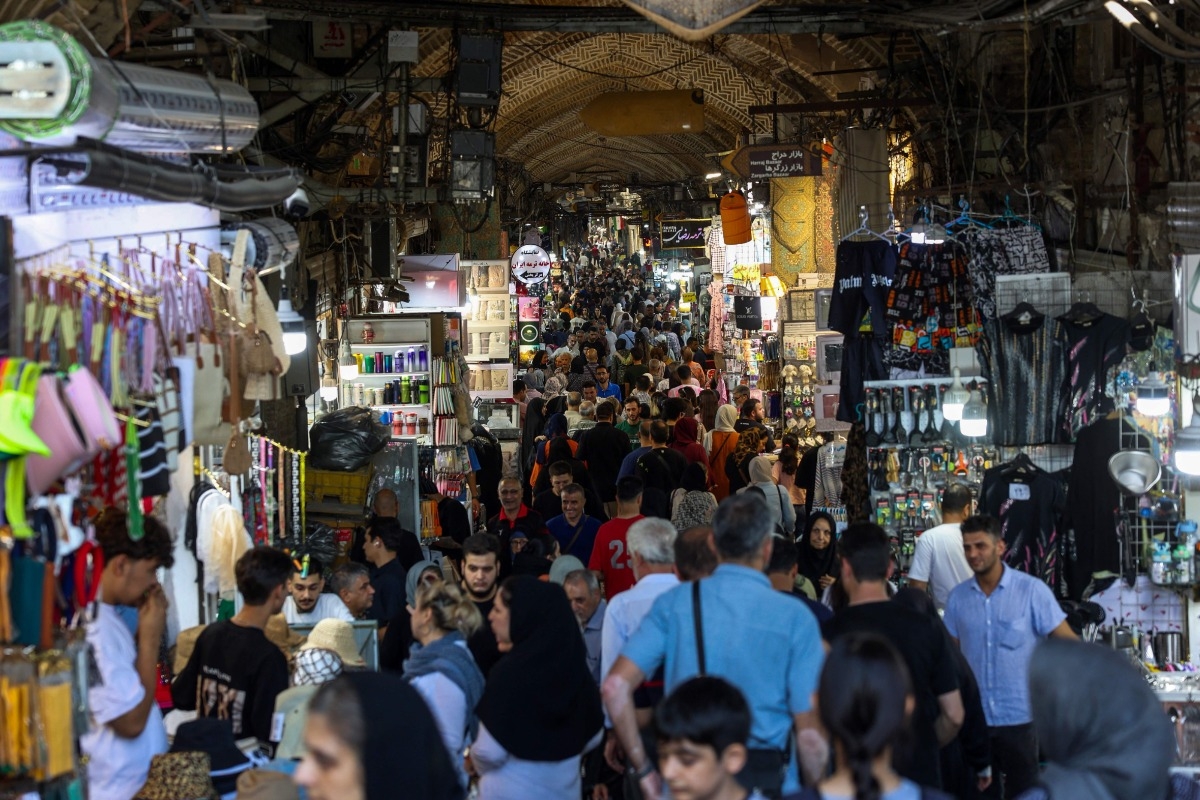
Iran’s gross domestic product (GDP) contracted by 10.1% year-on-year during the first quarter of the Persian calendar, a period during which the country was subjected to bombing by Israel and the United States, according to official figures published on Sunday.
During this period, which ran from late March to late June, GDP fell by 10.1% when the oil sector was included, according to the Statistical Center of Iran, an official body. The country’s economy relies primarily on fossil fuel exports.
The war in the Middle East erupted following an attack launched by Israel and the United States on Iran on February 28, before a ceasefire came into effect in April after 40 days of mutual bombardment.
At the heart of the conflict lies the strategic Strait of Hormuz, through which approximately 20% of global oil supplies passed before the war, and which Iran claims the right to control.
In response, the United States reimposed a blockade on Iranian ports, inflicting severe damage on Iranian oil exports, which were already struggling due to international sanctions.
Iran’s chief negotiator and Parliament Speaker, Mohammad Bagher Qalibaf, stated that the country had failed to export “a single barrel of oil” during the previous US blockade, which lasted from April to June.
The economy has suffered for years from chronic, excessive inflation and a sharp decline in the value of its national currency, the rial, problems largely caused by these sanctions.
The war has exacerbated these issues, leading to a rapid erosion of Iranians’ purchasing power.
Inflation reached 69.9% year-on-year in August, according to official figures that do not accurately reflect sharp price fluctuations, particularly for food items.
Meanwhile, the Iranian currency continues to lose value against foreign currencies, with the dollar exchange rate reaching approximately 2.3 million rials on Sunday, according to websites tracking black-market exchange rates.
