Diabetes Association: 'Smart Pumps' represent the latest diabetes treatment technology in Kuwait
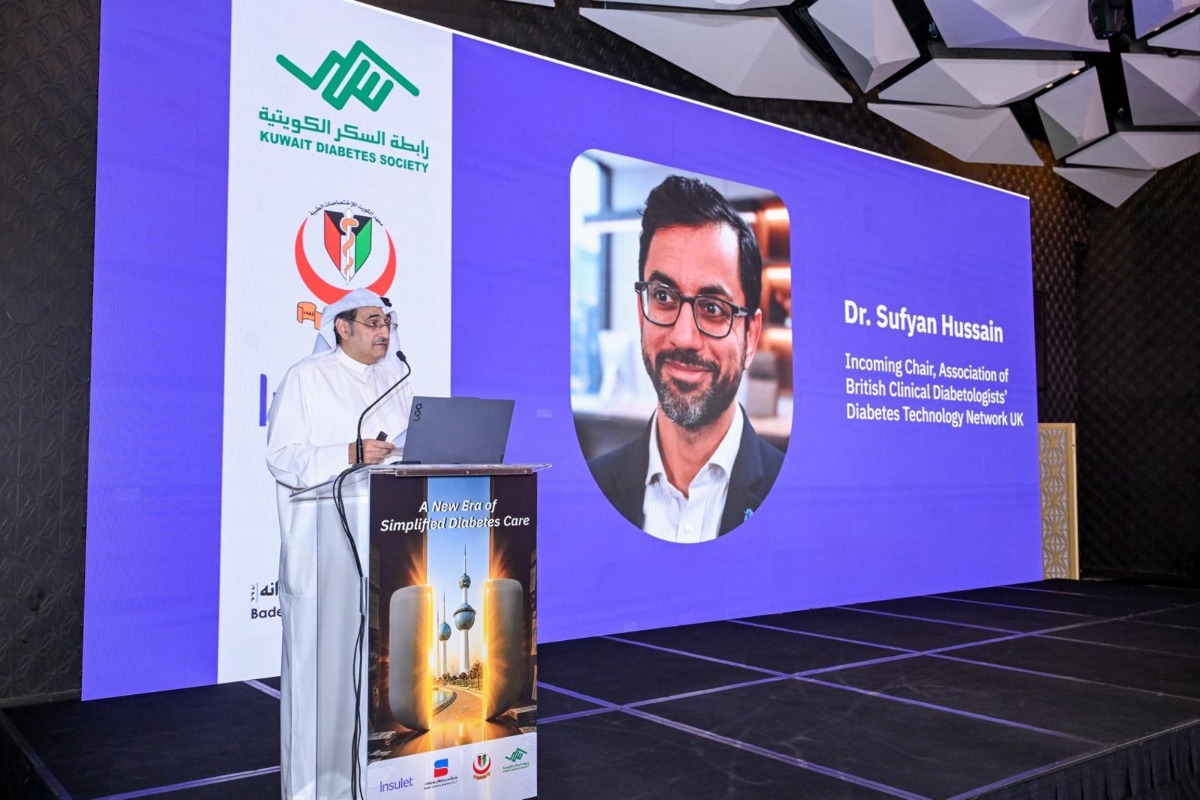
Dr. Waleed Al-Dahi confirms the superiority of smart insulin pumps in improving patients' lives
Translated by Alqyas from Al-Jarida — Original source
Dr. Waleed Al-Dahi, Chairman of the Board of Directors of the Kuwait Diabetes Association, stated that the Omnipod 5 smart insulin pump represents one of the most advanced technologies currently used in treating Type 1 diabetes patients in Kuwait. He noted that rapid advancements in medical technology have brought about a significant shift in insulin administration and blood sugar control methods, helping patients manage their condition more effectively.
This statement was made by Al-Dahi during a scientific conference organized by the Kuwait Diabetes Association to showcase the latest developments in treating Type 1 diabetes using modern devices and technologies, alongside discussions on patient needs and rapid advancements in insulin pumps.
Al-Dahi said that smart pumps have become sophisticated tools that offer patients a more flexible and precise method of receiving insulin, contributing to improved blood sugar control and reducing episodes of hypoglycemia and hyperglycemia. He explained that the Omnipod 5 relies on a technology that links blood sugar readings with the insulin delivery system, where readings are processed through internal algorithms that help adjust insulin doses according to the patient’s needs.
He added that this technology provides a high level of automated diabetes management, pointing out that medical technology in the field of diabetes treatment is advancing rapidly. New generations of insulin pumps have become smarter, smaller, and easier to use, offering Type 1 diabetes patients more advanced and flexible treatment options.
He clarified that some modern patch pump systems are replaced every three days, significantly reducing the burden of repeated injections. He noted that a Type 1 diabetes patient might require four or five insulin injections daily under traditional regimens.
He emphasized that reducing the number of needle insertions makes a significant difference for patients, especially children and young people who require continuous insulin therapy. He affirmed that the goal of modern technology extends beyond merely facilitating treatment administration; it also aims to improve patients’ quality of life.
Al-Dahi stressed that an important advantage of modern technologies is their ability to reduce hypoglycemic episodes, limit hyperglycemic spikes, and improve overall blood sugar control. He explained that this positively impacts patients’ ability to carry out their daily lives, studies, work, and various activities with greater flexibility.
He pointed out that digital developments accompanying diabetes treatment systems have enabled the management of certain treatment functions and data monitoring through modern digital devices, providing patients with additional tools to continuously track their condition.
He noted that the global market is witnessing significant competition and development in the field of insulin pumps, with various advanced technologies and systems available. This makes it essential to continue monitoring scientific updates and evaluating modern technologies to maximize benefits for patients.
He emphasized that these technologies hold particular importance in Kuwait, given available data indicating that the number of people with Type 1 diabetes in the country is estimated at approximately 28,739, reflecting the substantial need to continue developing treatment services and leveraging modern technologies for disease management.
Al-Dahi confirmed that Kuwait is among the countries in the region with high rates of Type 1 diabetes incidence, highlighting the importance of providing the latest therapeutic and technological means to help patients achieve better blood sugar control and reduce complications associated with irregular levels.
He added that Kuwait is among the pioneering countries in the Gulf region and the Arab world in providing insulin pumps to patients with type 1 diabetes, driven by its commitment to offering the latest treatment methods and medical technologies, particularly for children and adolescents. He clarified that type 1 diabetes differs from type 2, and typically manifests in children and young people, as the body ceases to produce sufficient insulin, leaving patients in constant need of insulin therapy.
