Pakistani pressure on Iran... and Washington expands sanctions
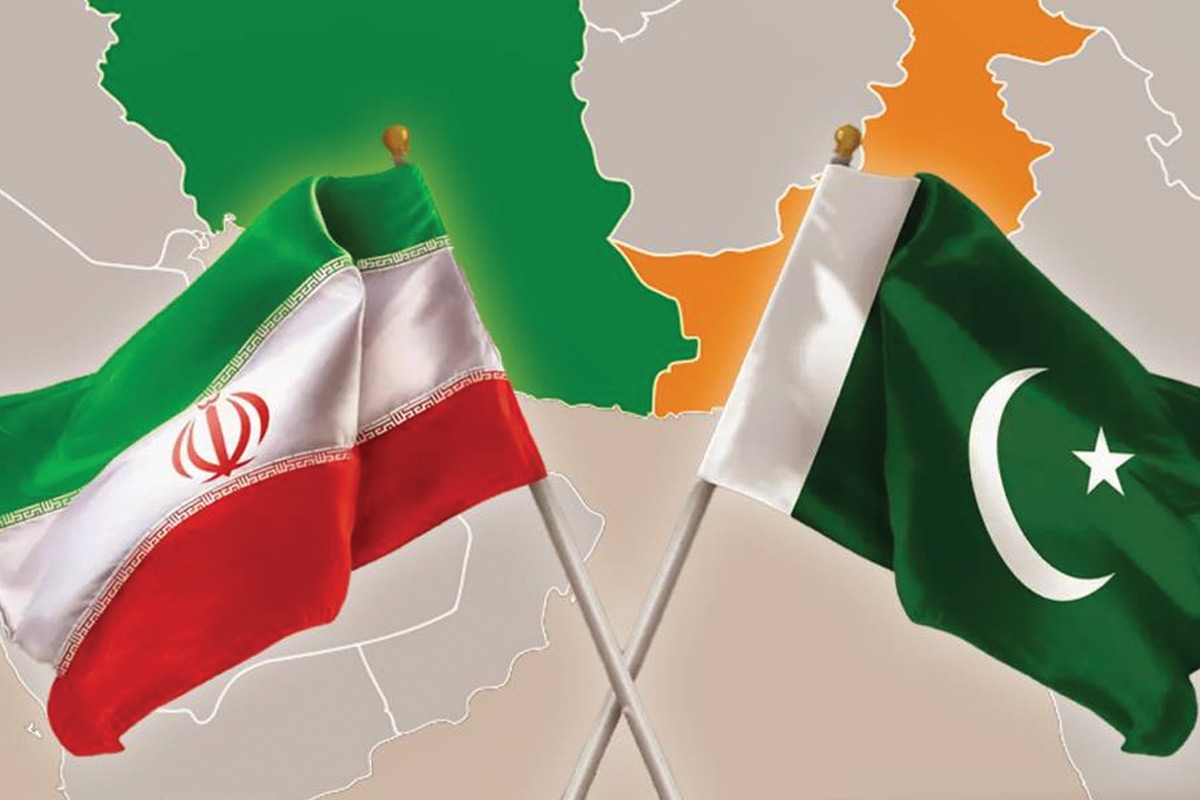
On the eve of a anticipated visit by Pakistan’s Interior Minister to Iran, Pakistani Foreign Minister Muhammad Ishaq Dar, in a call with his Iranian counterpart Abbas Araghchi today, stressed the importance of uninterrupted energy supplies and the necessity of ensuring the safe passage of ships. Meanwhile, US President Donald Trump signed a bill authorizing new sanctions against Russia and expanding the scope of sanctions related to Iran.
Pakistani and Iranian reports indicated that a high-level delegation led by Interior Minister Mohsen Naqvi would visit Tehran this week to convey messages to the Iranian leadership regarding the need to de-escalate tensions in the Strait of Hormuz and the Bab al-Mandab, pressure the Houthis to halt their attacks on Saudi Arabia, and discuss the possibility of resuming negotiations with Washington.
Against the backdrop of the White House’s bet on strangling Tehran by tightening restrictions on its trading partners while maintaining the naval blockade, Turkey’s Banking Regulation and Supervision Agency revoked the license of the Istanbul branch of Iran’s Mellat Bank, which is linked to the Islamic Revolutionary Guard Corps (IRGC). The agency stated that the move was taken to protect depositors and ensure the stability of Turkey’s financial system.
This development comes ahead of a US-Gulf summit that the Trump administration seeks to hold on the sidelines of the high-level meetings of the UN General Assembly, which begin on Tuesday in New York, with the aim of discussing a strategy to handle the crisis.
By the end of the week, the US President kept both the cards of military strikes and a diplomatic solution on the table.
Coinciding with leaks about a major US operation against Iran, Trump hinted at a return to activating the option of military resolution, telling Axios that he was approaching a pivotal point regarding the resumption of major military strikes.
However, Trump later walked back his comments, speaking about the possibility of reaching a “good deal.” In an interview with News Nation, he said, “They want to make a deal now,” adding that Iran was “losing in every way, financially and militarily.”
He noted that preventing Iran from acquiring nuclear weapons required Americans to bear some costs, anticipating an end to the conflict soon and a drop in fuel prices, which have been hitting record highs in the US ahead of the midterm congressional elections in November.
Meanwhile, US officials warned, according to Axios, that the conflict had entered a phase of “unsustainable” stalemate, amid the reinforcement of US forces in the region.
Meanwhile, US Central Command (CENTCOM) Commander Admiral Brad Cooper stated today that the main transit lanes in the Strait of Hormuz were “free of mines,” emphasizing that Iran had “not exported a single barrel thanks to our tight blockade.”
Cooper said the US Navy had supported the transport of more than one billion barrels of crude oil from Gulf states through the Strait of Hormuz over the past two months, ensuring the passage of more than 2,000 commercial vessels through the strait by providing coordinated protection, noting that “momentum is building.”
He pointed out that CENTCOM was working in cooperation with its partners across various US government agencies, insurance and shipping companies, its six Gulf Cooperation Council (GCC) partners, and every partner in the region to enhance air defense capabilities, form a new alliance unit focused on attack drones, and keep the Strait of Hormuz and surrounding waters open and safe.
In response, a prominent leader of the IRGC, Aziz Ghaznavi, threatened not to allow the export of oil from regional countries through the strait “if Iranian oil is not exported.”
Meanwhile, Iran’s chief negotiator and Parliament Speaker Mohammad Bagher Qalibaf commented on the warning issued by U.S. Joint Chiefs of Staff Chairman General Dan Caine regarding the potential targeting of U.S. units and formations by autonomous systems, stating that “the era of shooting down American F-35 and F-15 aircraft has already begun.”
For his part, Iran’s Foreign Minister, during an online address at the “Global Dialogue 2026” forum, asserted that “sustainable security in the Middle East cannot be imposed from outside the region, and that the region’s security must stem from within, through dialogue, confidence-building, and cooperation, rather than through the military presence of foreign powers.”
