Hot money in Egypt approaches $40 billion... Will it flee after the interest rate hike?
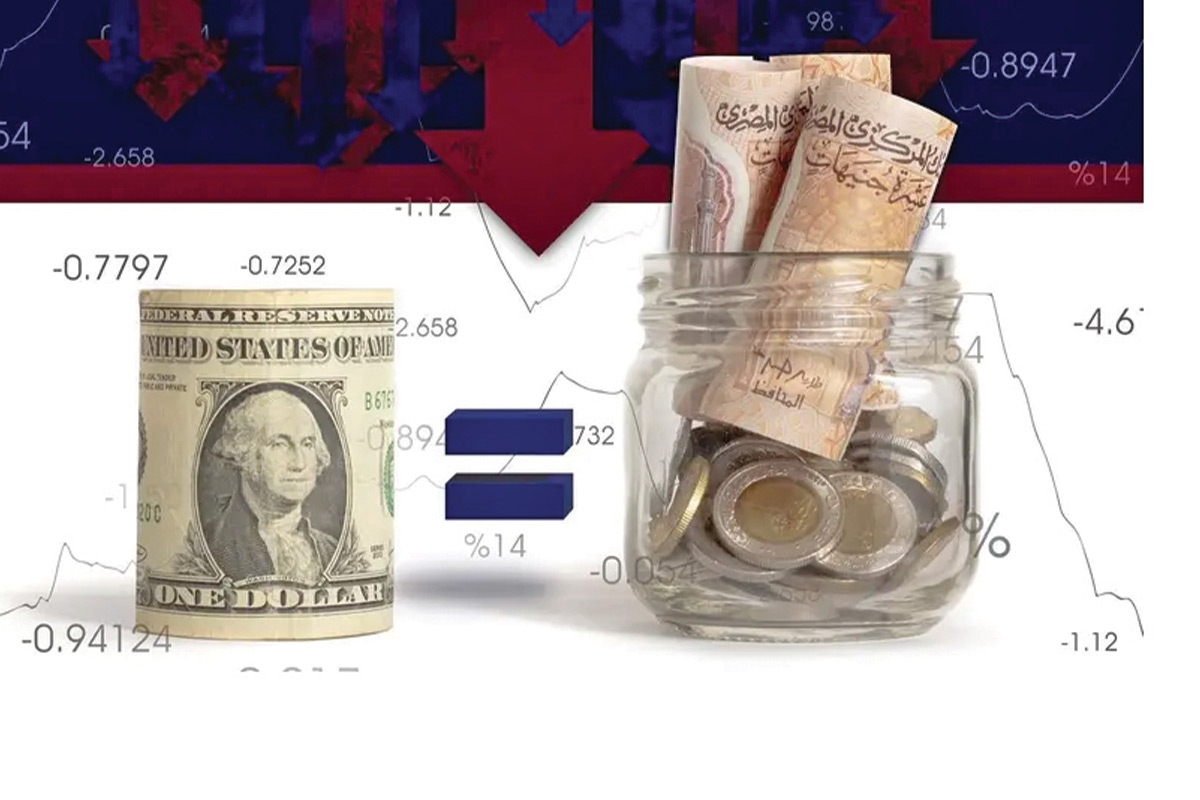
As the Federal Reserve raises interest rates, hot money in Egypt has returned to the forefront, amid questions about its ability to remain in the Egyptian market if global markets become more attractive to investors.
The value of these investments is currently approaching $40 billion, returning to pre-US-Iran war levels, supported by favorable yields and the stability of the Egyptian pound against the US dollar.
However, the global equation has begun to change, with the Fed raising rates and Japan considering an interest rate hike, which could increase the attractiveness of other markets for investors seeking higher returns.
Hot money, by nature, moves according to an equation that combines return and risk. Therefore, rising interest rates in competing markets may increase pressure on emerging markets.
But the exit of hot money from Egypt is not inevitable, according to sources who spoke to Al Arabiya Business. They indicated that no new shocks to the exchange rate are expected, given the continued operation of a flexible currency system.
These developments come alongside an improvement in the net foreign assets of Egyptian banks and a rise in foreign reserves, as well as improved sources of foreign currency, including tourism and remittances.
The first component is stable and does not exit easily, while the second represents the mobile portion that can leave the market rapidly in the event of global shocks or rising risks.
This type of movement was evident during the Russia-Ukraine war, as well as in March of last year, when approximately $10 billion in hot money exited before returning later as conditions improved and tensions eased.
It is precisely this mobile portion that the Central Bank is trying to manage in a way that limits the impact of its sudden exit on foreign reserves.
The aim of this measure is to mitigate the impact of the sudden outflow of these funds, ensuring that the effect is concentrated in this account rather than directly impacting the Central Bank’s core reserves.
Thus, the issue is not only about the volume of hot money present in Egypt, but also about the speed at which the most sensitive portion of it moves when global conditions change.
As global interest rate trends continue to shift, the most important question remains: Will Egypt succeed in reducing its reliance on hot money, or will capital flows remain vulnerable to change with every global crisis or new interest rate movement?
Exchange rate stability and improved sources of foreign currency may provide support for the market, but the movement of hot money ultimately remains tied to the global comparison between return and risk.
