"Al-Shal": Kuwait Stock Exchange records the smallest loss since the start of the year
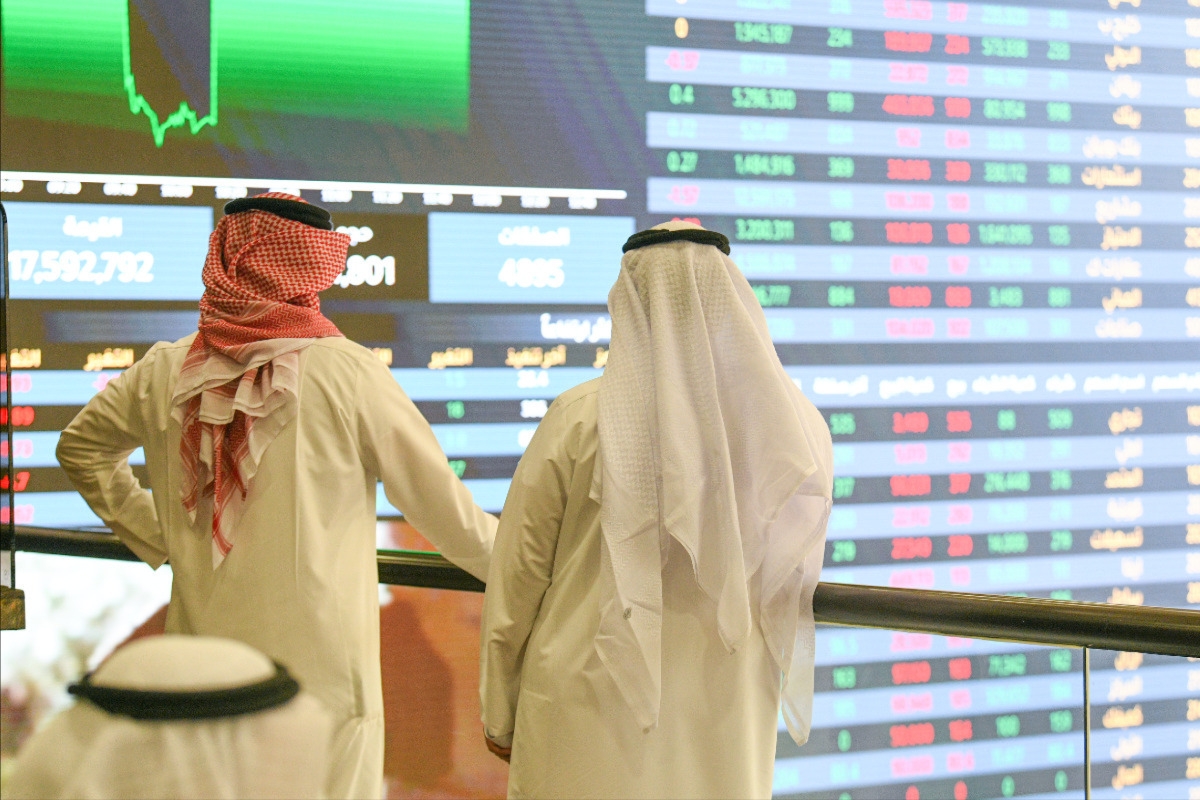
The performance of the selected sample markets tracked by Al-Shal was positive in August, with nine market indices rising and five declining compared to their levels at the end of July. When compared with their levels at the end of 2025, the distribution remained the same, with nine markets posting gains and five posting losses, four of which were Gulf markets.
In its report, Al-Shal stated that the Saudi market was the top gainer in August, with its index rising by approximately 5.1%, bringing its year-to-date gains to about 6.1%. It was followed by the Chinese market, which gained 4.0%, moving into positive territory with a modest year-to-date gain of 0.4%. The Muscat Stock Exchange ranked third with a 3.8% gain, maintaining its position as the second-largest gainer year-to-date with gains of 29.2%. The Japanese market came in fourth with a 3.0% gain, lifting its year-to-date gains to approximately 31.7%, while retaining its position as the top performer. The German market recorded a 2.5% gain in August. As for the Kuwait Stock Exchange, its general index gained approximately 1.6%, making it the least negative performer year-to-date with a loss of -0.3%. The U.S. Dow Jones index and the Abu Dhabi market both gained approximately 1.3% in the month. Finally, the Dubai market recorded the smallest gain at 0.8%.
On the other hand, the French market topped the list of losers, with its index falling by approximately -2.1%, reducing its year-to-date gains to about 2.3%. It was followed by the Indian market, which lost -1.5%, ending the first eight months of the current year with the highest losses among the sample markets at -9.7%. The Qatar Stock Exchange recorded losses of -1.1%, followed by the Bahrain Stock Exchange with losses of -1.0%. The British market was the least negative performer in August, with its index declining by -0.4%, causing its year-to-date gains to fall to approximately 9.0%.
The report noted: The performance of the sample financial markets fluctuates between negative and positive. Despite intensive efforts by mediators to de-escalate the geopolitical situation in the region, decisions are no longer governed by logic. Therefore, the performance of the sample markets may lean toward predominantly negative performance in September. The failure to finalize a de-escalation decision and the continuation of military confrontations between the United States and Iran mean that the disruption of oil flows through the Strait of Hormuz will persist, with the threat extending to the Bab el-Mandeb strait. This is bound to lead to higher oil prices, accompanied by rising inflation rates in the United States and an increased frequency of U.S. Federal Reserve interest rate hikes. Hope remains that the pain felt in both the United States, which is approaching its midterm elections for the House of Representatives and the Senate on November 3, and in Iran, whose people are suffering from extremely difficult living conditions, may serve as a driving force and pressure for both sides to reach a de-escalation agreement followed by negotiations. The chances of success and failure remain equal, given the presence of two administrations not governed by logic.
