"The Chalk": "The Federal" May Face a Critical Situation in October
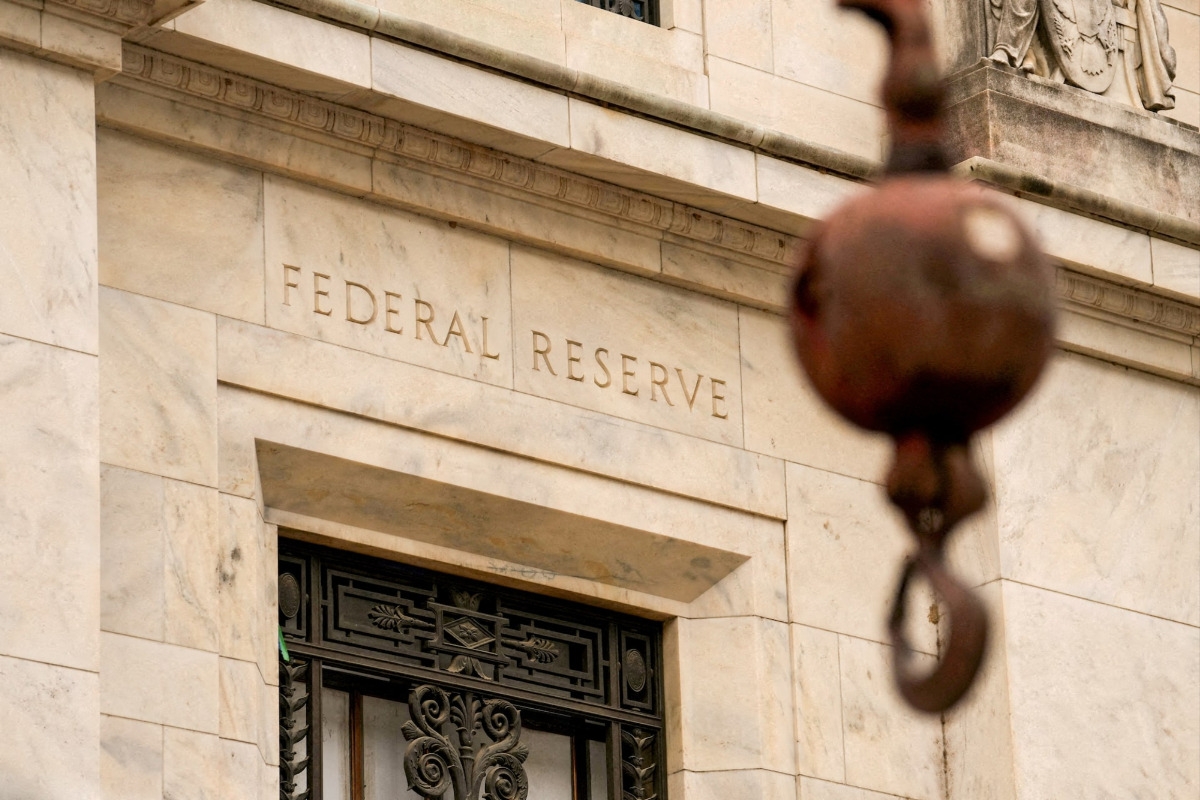
A report by Al-Shal Consulting analyzed the US Federal Reserve’s decision last Wednesday to raise its benchmark interest rate on the US dollar by a quarter percentage point, bringing it to a range of 3.75%–4.00%. The rationale behind the rate hike was heightened concern over inflationary pressures.
Specifically, the US Bureau of Labor Statistics, in its latest report, stated that the Consumer Price Index for Urban Consumers rose by approximately 0.4% in August, compared to a 0.1% increase in July, bringing the overall level for all goods and services to 3.4%.
The primary driver of this increase was a 3.9% rise in the gasoline price index, which is particularly sensitive from a political standpoint, alongside a 2.1% increase in the broader fuel index.
While raising interest rates is a professional and justified decision, it is unpopular with the US administration. President Donald Trump desires a rate of 1% or lower. The move has further diminished its popularity, as it came less than two months before the midterm elections for the House of Representatives and the Senate, potentially negatively impacting the results to the detriment of the Republican Party.
Conversely, inflationary pressures have taken on a political dimension. Key factors contributing to rising inflation or anxiety over its repercussions include the unresolved regional conflict between the United States and Iran and its impact on oil prices, the ongoing tariff war, and the US public debt surpassing the $40 trillion mark. These factors outweigh the resilience of the economy and the stability of the labor market.
We believe the US Federal Reserve may have needed to raise interest rates by a higher margin but opted otherwise due to the sensitivity of domestic political conditions in the US, aiming to avoid accusations of bias toward any candidate in the upcoming midterm elections.
Unless there is a significant breakthrough in the Strait of Hormuz crisis and a halt to the tariff war, particularly with Canada, the US Federal Reserve may face a critical situation at its next meeting in late October or shortly before the midterm elections on November 3, leaving it with no choice but to continue raising interest rates.
Regionally, the five central banks of the six Gulf Cooperation Council (GCC) countries had no option but to follow suit and raise interest rates on their currencies by the same amount. Given the prevailing geopolitical instability and the full pegging of their currencies to the US dollar, stabilizing their currencies has taken precedence over other objectives.
Economically, financially, and even politically, their interests would be better served by lowering interest rates. They are the most adversely affected by continued instability in their region, having lost significant portions of their oil revenues. Stimulating their economies through both public and private sectors, and reducing borrowing costs for these sectors, are crucial factors in boosting economic activity and mitigating the repercussions of higher financing costs.
Only the Central Bank of Kuwait decided to keep the discount rate on the Kuwaiti Dinar unchanged at 3.50%, resulting in a differential in favor of the US dollar interest rate of approximately 0.25%–0.50%. The Central Bank estimates that its assessment of Kuwaiti economic indicators favors maintaining the interest rate at its current level.
